Abolition of slavery commemoration 2027 in Mauritius
Understand Mauritius’s abolition commemoration on 1 February 2027, the history of 1835, Le Morne’s meaning and how to plan a thoughtful heritage visit.
For the abolition commemoration in 2027, give heritage its own time. A visit to Le Morne or a museum should allow space to read, listen and reflect, with any other activity planned around that purpose.
Information checked on 3 November 2026
Date
Monday 1 February 2027 marks 192 years since slavery was formally abolished in Mauritius on 1 February 1835. It is a national day of remembrance, with Le Morne holding a central place in the memory of resistance, marronage and the struggle for freedom.
Meaning and traditions
The commemoration of the abolition of slavery deserves its own tone. Le Morne is a cultural landscape associated with the history of maroons and resistance to enslavement. Understanding that history changes a visit to the peninsula; the mountain is more than a backdrop to the lagoon.
Use the occasion to learn, listen and make room for reflection. If a ceremony is announced, check whether the public may attend and follow its guidance. A quieter visit to a heritage site on another day can also be meaningful. Do not assume that a holiday ceremony includes a guided mountain visit, or that a hike and a commemoration are interchangeable experiences.
What the anniversary remembers
Abolition was a decisive legal change, but it was not the immediate end of coercive labour. The compulsory apprenticeship system continued in Mauritius until 1839. Keeping these dates distinct helps explain why the commemoration is about both emancipation and the longer struggle for dignity. It should not be reduced to a colourful holiday programme.
Le Morne’s importance lies in its association with people who escaped enslavement and with the communities that preserved their memory. The mountain, the International Slave Route Monument and the surrounding cultural landscape offer different ways into that history. The well-known story of people jumping from the mountain belongs to oral tradition; its dramatic details should not be presented as a verified account of 1 February 1835.
Planning your visit
A ceremony, a heritage visit and a mountain hike are different experiences. A booking for one does not include the others. Before making plans at Le Morne, check the current trail-access notice separately from any commemorative announcement. An anniversary does not reopen a closed section of the mountain.
The 2026 official ceremony included wreath laying at the International Slave Route Monument and cultural contributions. That is evidence of a past programme, not a timetable for 2027. Choose an announced public ceremony only after its access details are available; otherwise, a separate heritage day can offer a quieter and more focused visit.
Andeor Editions
Arrange your journey
Andeor can arrange transfers through Seke, subject to the route and confirmation. The transfer is a separate service unless your offer explicitly includes it.
Sources and date checks
Official holiday dates and background sources are listed below. Local programmes, admission arrangements and transport notices need a fresh check before a visit.
Republic of Mauritius · Public Holidays 2027
Richard B. Allen · Marronage and its legacy in Mauritius
UNESCO · Le Morne Cultural Landscape
Ministry of Arts and Culture · 191st anniversary commemoration
Image credits
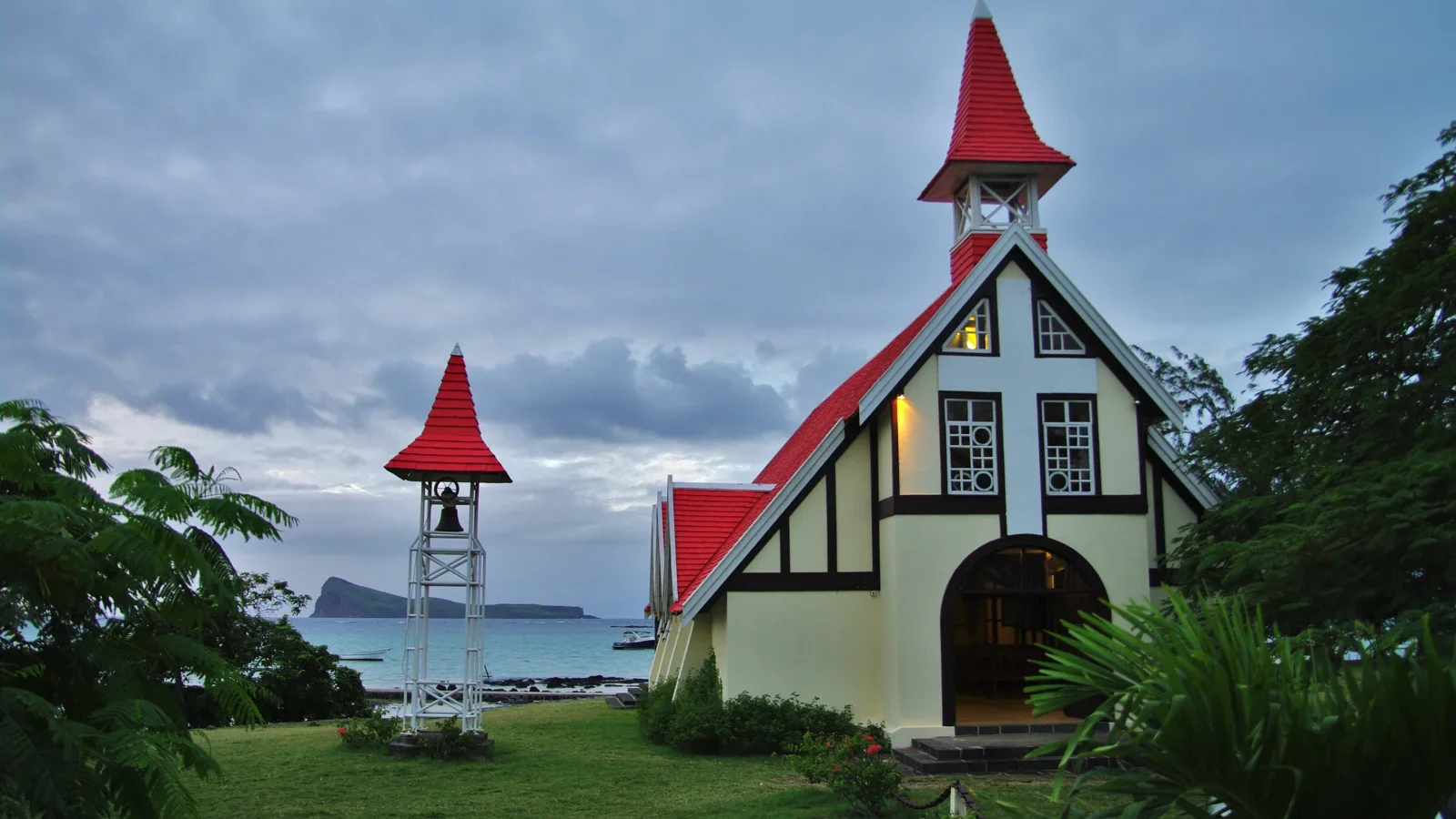
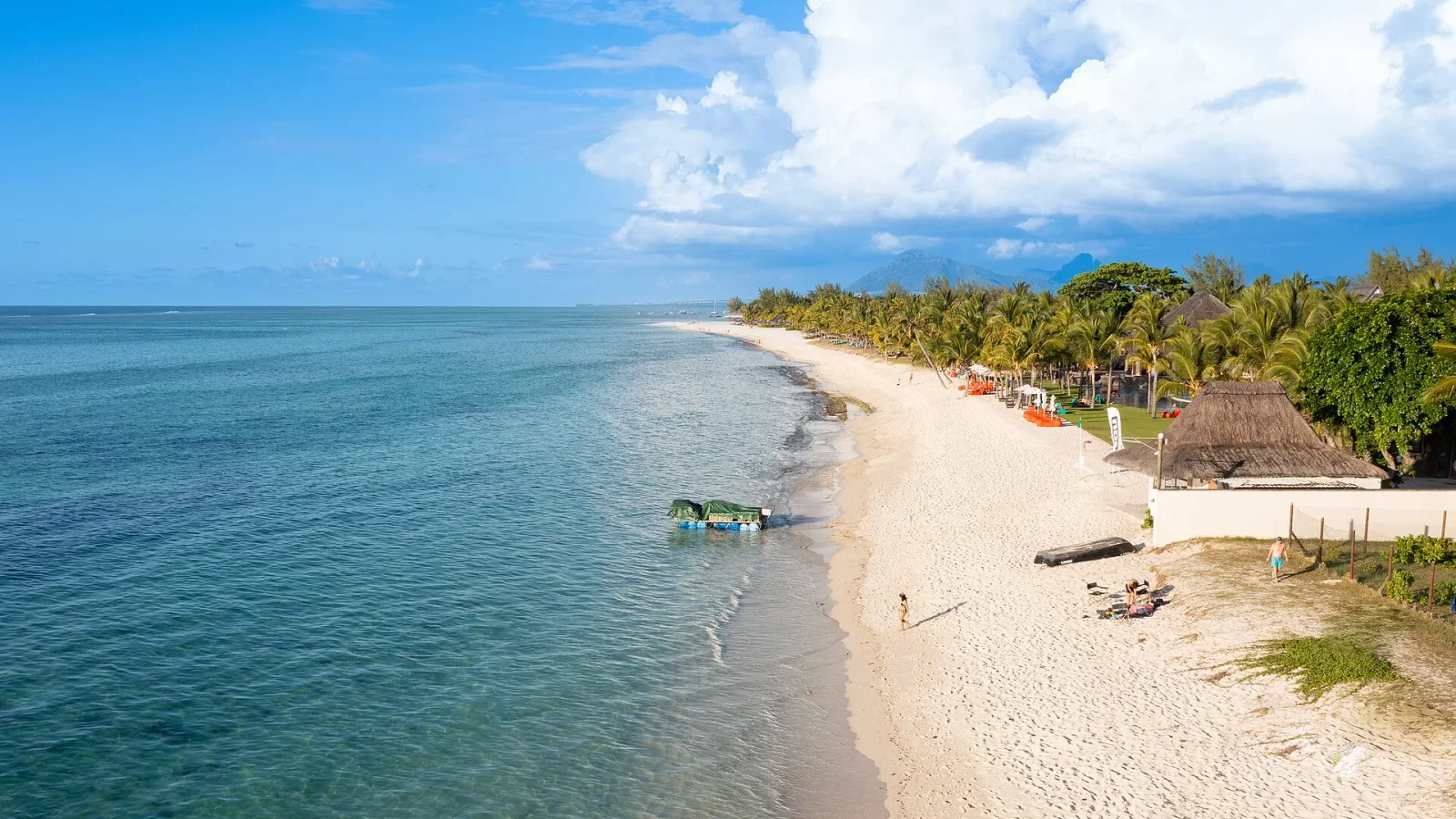
The photographs show earlier celebrations and places in Mauritius. They do not depict events in 2027.
Photo by dronepicr. CC BY 2.0. Images were resized, converted to WebP and, where appropriate, cropped for the layout. Original creators and reuse terms are linked above.