Kayaking with Dolphins in Mauritius: 7 Checks Before Booking
Thinking about kayaking with dolphins in Mauritius? Use these seven practical checks to compare wildlife practices, sea conditions, guide support, safety processes and…
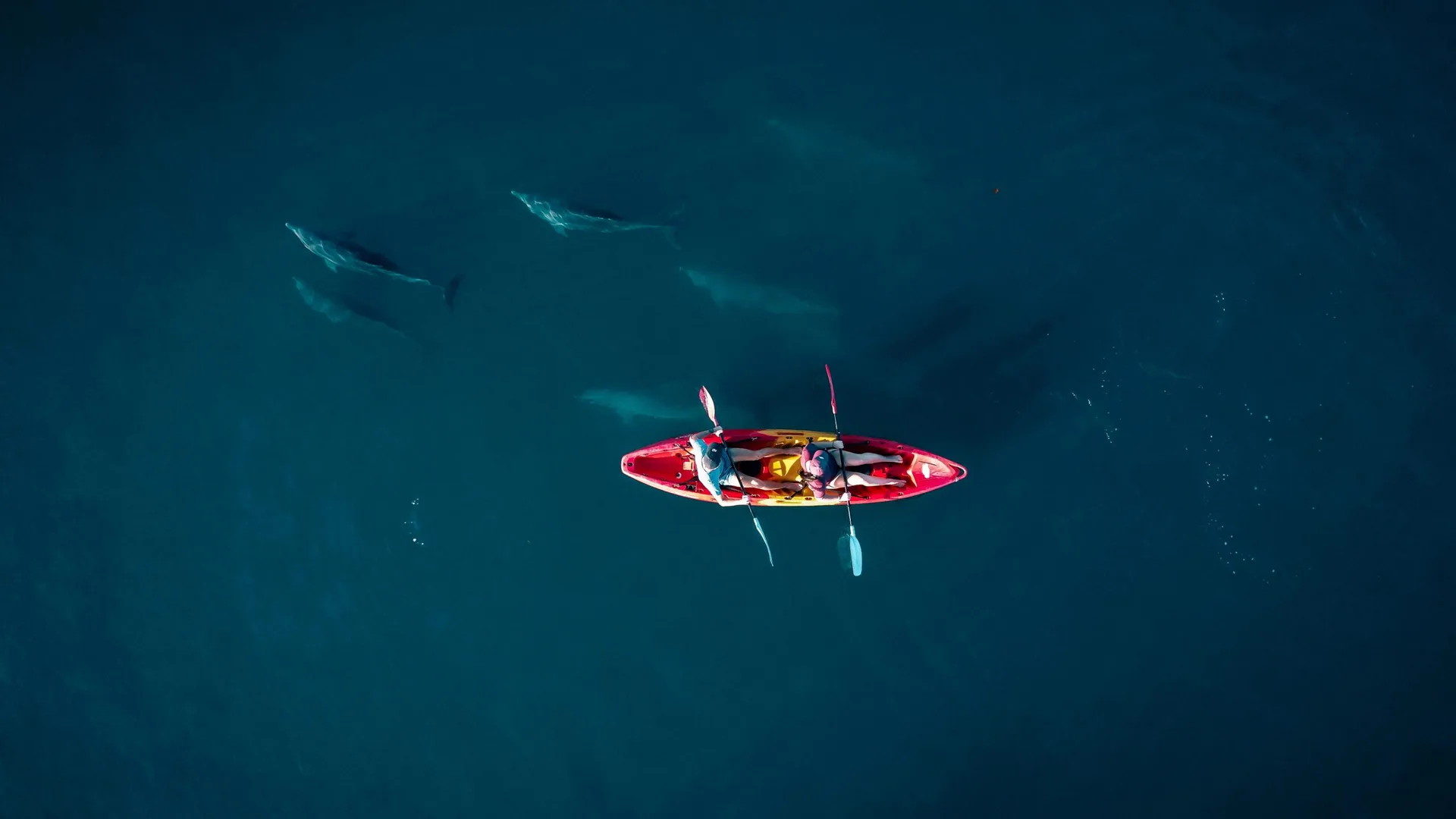
A red tandem kayak beside dolphins, photographed from above. Photograph from Yanature.
Kayaking with dolphins in Mauritius can sound simple: get into a kayak, paddle out and hope for a special wildlife encounter. In practice, choosing well takes a little more thought. Dolphins are wild animals, sea conditions can change, and the way a group behaves on the water matters more than how close it gets.
Good to know
FAQ
When should I schedule a dolphin kayaking experience during my Mauritius trip?
If the experience is important to you, avoid leaving it until your final day. Sea conditions may affect the plan, so an earlier place in your itinerary can leave more room for adjustments. Confirm the meeting time and expected duration before arranging another activity on the same day.
Is dolphin kayaking suitable for families with children?
Suitability depends on the child, the route, sea conditions and the provider’s current requirements. Ask about minimum age rules, swimming ability, equipment fit, seating arrangements and expected paddling effort. Share each child’s experience and comfort around open water before booking.
What happens if sea conditions are unsuitable or dolphins are not seen?
Policies vary, so check the current booking terms before paying. Ask how the provider handles unsuitable conditions and what the experience involves if no dolphins appear. Sightings should be treated as possible rather than promised, and the provider should explain its process and applicable booking terms clearly.
Before booking, check the seven points below. They will help you understand what is realistically being offered, how much paddling may be involved, what support to expect and whether the experience suits everyone in your group. A provider should be comfortable answering clear questions without promising that dolphins will appear on demand.
Andeor Editions
View the dolphin kayaking experience
Check the current experience details, then ask about wildlife practices, ability requirements and conditions for your preferred day.
The label used for a trip is less useful than knowing how it is run. Ask whether the group gives wildlife space, avoids chasing or surrounding animals, and changes course when continuing an encounter could put pressure on them.
The aim should not be to get as close as possible. A calm sighting from a respectful distance can be more meaningful than a rushed approach involving several craft. It is also important to accept that sightings are possible, not promised. The sea is a natural environment, not a theatre with a fixed showtime.
Look for clear practices: keep space, avoid pursuit and let the animals’ behaviour guide the encounter.
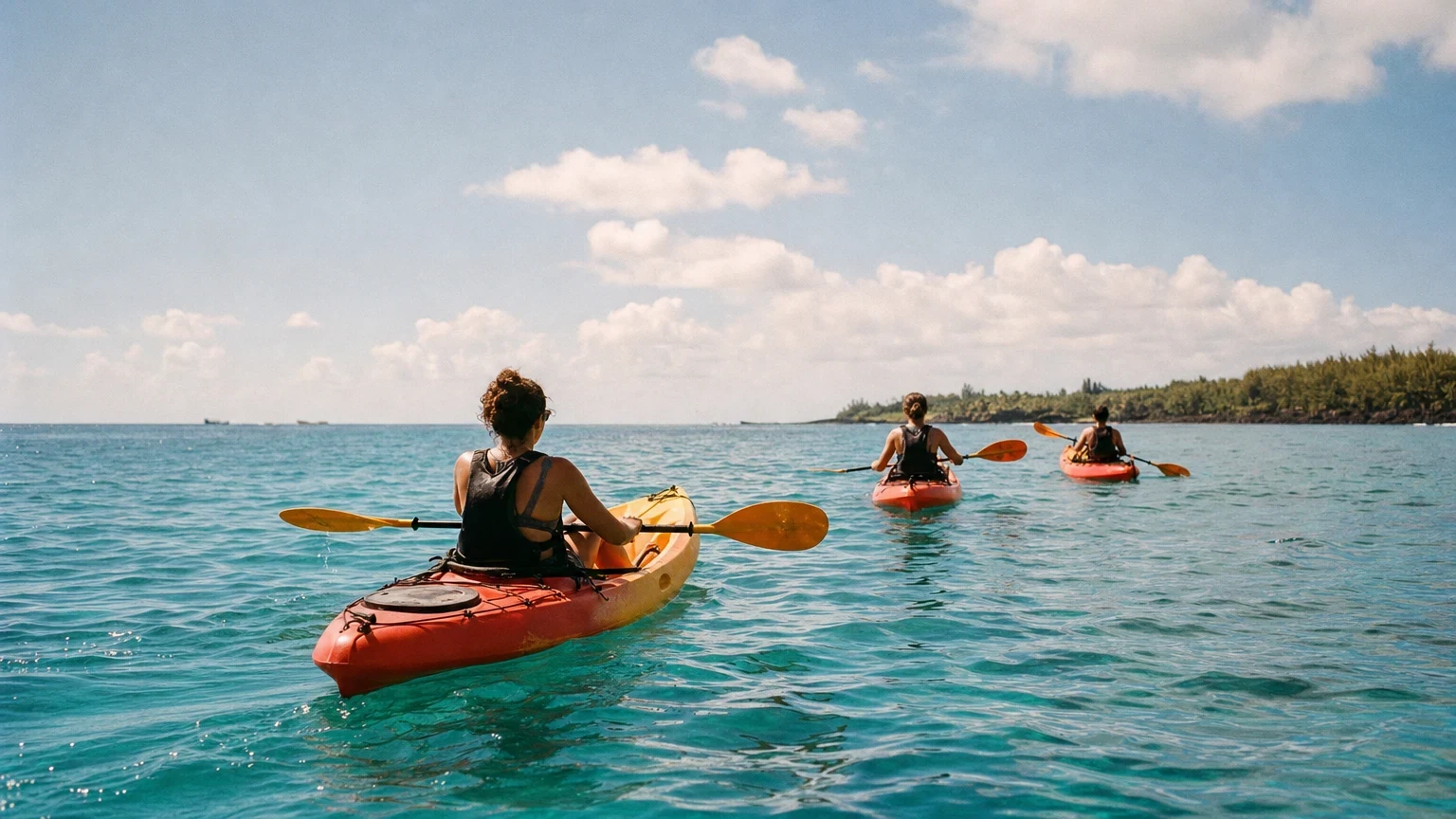
AI-generated editorial illustration.
1. Check how dolphin sightings are described
Start with the wording on the experience page and in any messages from the provider. Look for realistic language such as possible sightings or wildlife observation rather than certainty. Dolphins are wild, so their presence, location and behaviour cannot be promised.
Ask what happens if no dolphins are seen. A useful answer should explain how the rest of the kayaking experience is approached and what booking terms apply. Be cautious if the main sales message depends entirely on a promised close encounter.
2. Ask how the group approaches wildlife
Wildlife practices become clearer when you ask about actual behaviour. Does the guide brief guests before launching? How is distance managed? What happens if other kayaks or boats are already near the animals? Will the group move away if the dolphins change direction or do not remain nearby?
Pause before booking if the answer focuses on chasing, touching, feeding, blocking movement or getting everyone close for a photograph. The same wildlife practices should apply when guests are excited and cameras come out.
3. Understand the route and sea conditions
Not every kayaking route feels the same. Sheltered water, an exposed coastline and open sea can require different levels of balance, stamina and confidence. Ask where the group normally paddles, how exposed the route can be and how the guide adjusts it for wind, swell or changing conditions.
You should also confirm the expected paddling effort and whether the route requires the group to keep moving for sustained periods. Do not rely on a general label such as beginner-friendly without asking what that means for this particular outing.
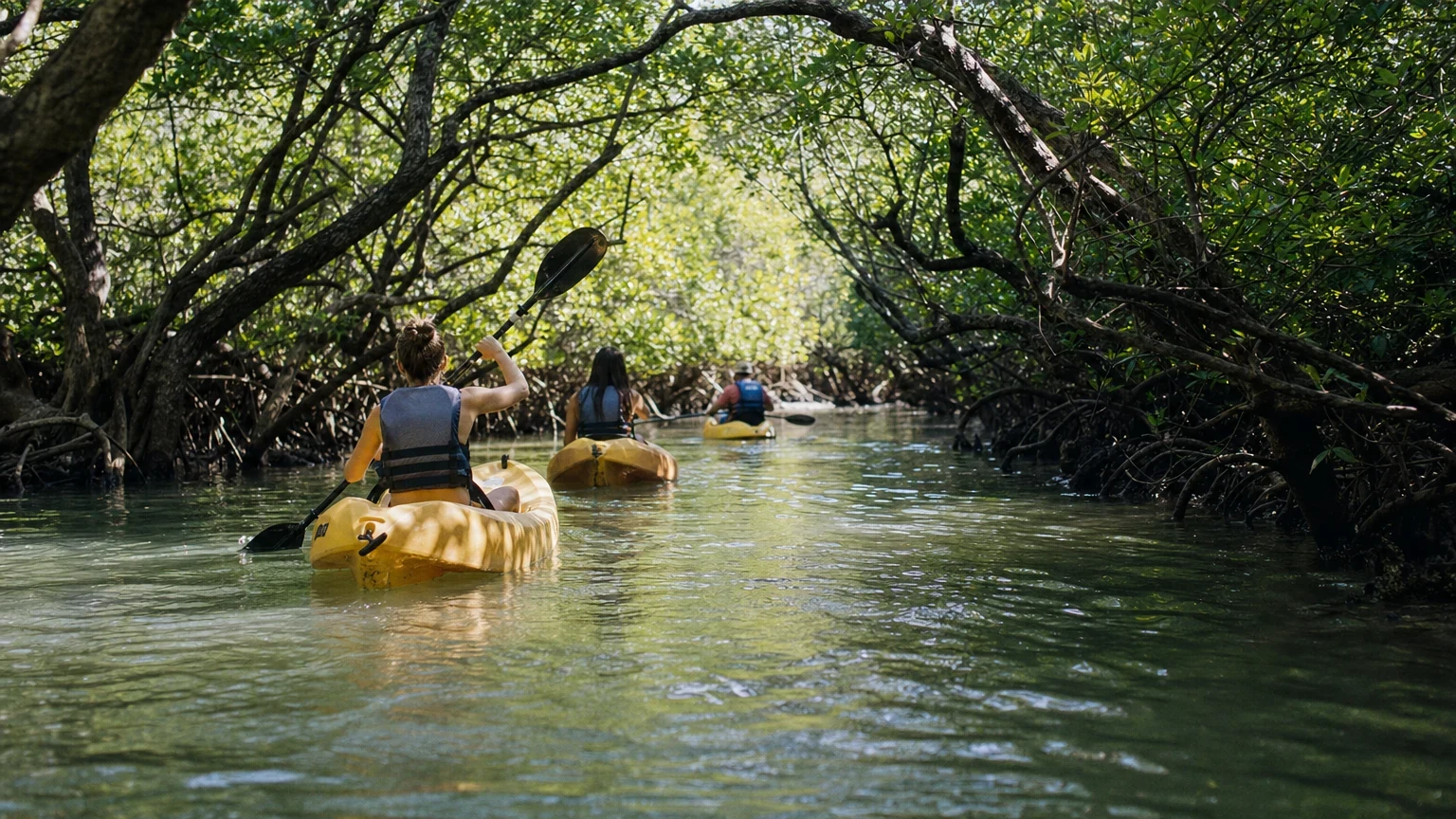
AI-generated editorial illustration.
4. Check the guide support and group size
Ask how many guests may paddle together and how many guides support the group. The answer matters for both wildlife management and personal support, especially when participants have different paddling abilities.
Confirm whether the group stays together, how a slower paddler is supported and what happens if someone wants to stop. If you are travelling as a family or mixed-ability group, explain that before booking rather than hoping everyone will settle into the same pace once afloat.
5. Be honest about swimming ability and paddling confidence
Previous kayaking experience may or may not be required, depending on the route and current conditions. Ask the provider directly. Share whether each person can swim, has paddled before, feels comfortable away from shore and can manage repeated upper-body effort.
For children, the relevant questions go beyond age. Ask about minimum requirements, seating arrangements, equipment fit, expected sea conditions and whether the child can follow instructions calmly on the water. Suitability should be confirmed for the individual child and planned outing.
6. Confirm the safety process before the day
A clear pre-trip answer should cover the equipment provided, the briefing, guide communication and the process used when conditions are unsuitable. Ask what you need to bring and whether there is anything about your health, mobility or comfort on the water that the provider needs to consider when assessing suitability.
Also check how updates are shared if the weather or sea changes. Avoid assuming that a sunny forecast means calm water. The final decision should be based on local conditions and the provider’s assessment for that outing.
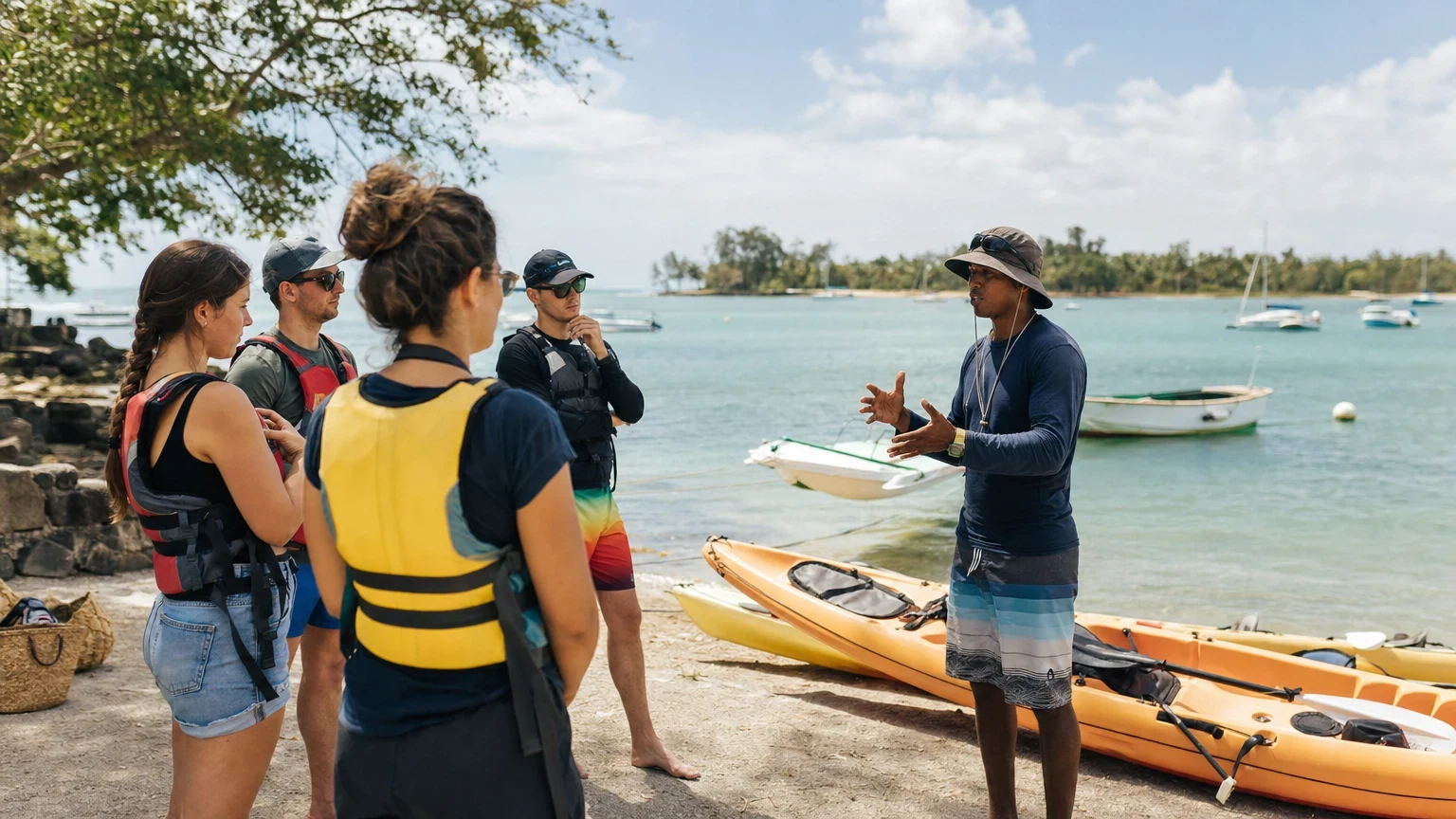
AI-generated editorial illustration.
7. Decide whether the experience fits your itinerary
Allow enough time for dolphin kayaking until you have confirmed the meeting point, expected duration, transfer time and finish arrangements. Leaving some breathing room helps if the schedule changes or your group needs extra time afterward.
It is sensible to avoid placing the activity immediately after a late arrival or immediately before a fixed departure. If it is a priority for your trip, consider scheduling it before your final day so that you have more flexibility if conditions affect the original plan.
A simple pre-booking checklist
Before paying, ask the provider to confirm: how wildlife sightings are described; the approach used around dolphins; the usual route and possible sea exposure; expected paddling effort; guide support and group management; swimming and age requirements; equipment and safety procedures; the policy for unsuitable conditions; and what happens when dolphins are not seen.
Share your group’s ages, swimming ability, kayaking experience and anything else that could affect participation or comfort in open water. Specific information helps the provider assess whether the planned outing is a suitable match.
Explore the kayaking experience
Use the linked experience page to check the current details for dolphin kayaking in Mauritius. Contact the provider if anything about conditions, requirements or wildlife practices is unclear. A short question before booking is much easier than discovering a mismatch at the water’s edge.
Andeor Editions
Find the right kayaking experience
Check the current experience details, practical requirements and whether the planned outing may suit your group. Dolphin sightings are possible, but nature decides.