Le Morne Brabant Family Hike: Is It Right for Your Children?
Can children hike Le Morne Brabant? Compare the lower and upper parts of the route, assess your family’s readiness and decide whether a shorter plan or guided hike may…
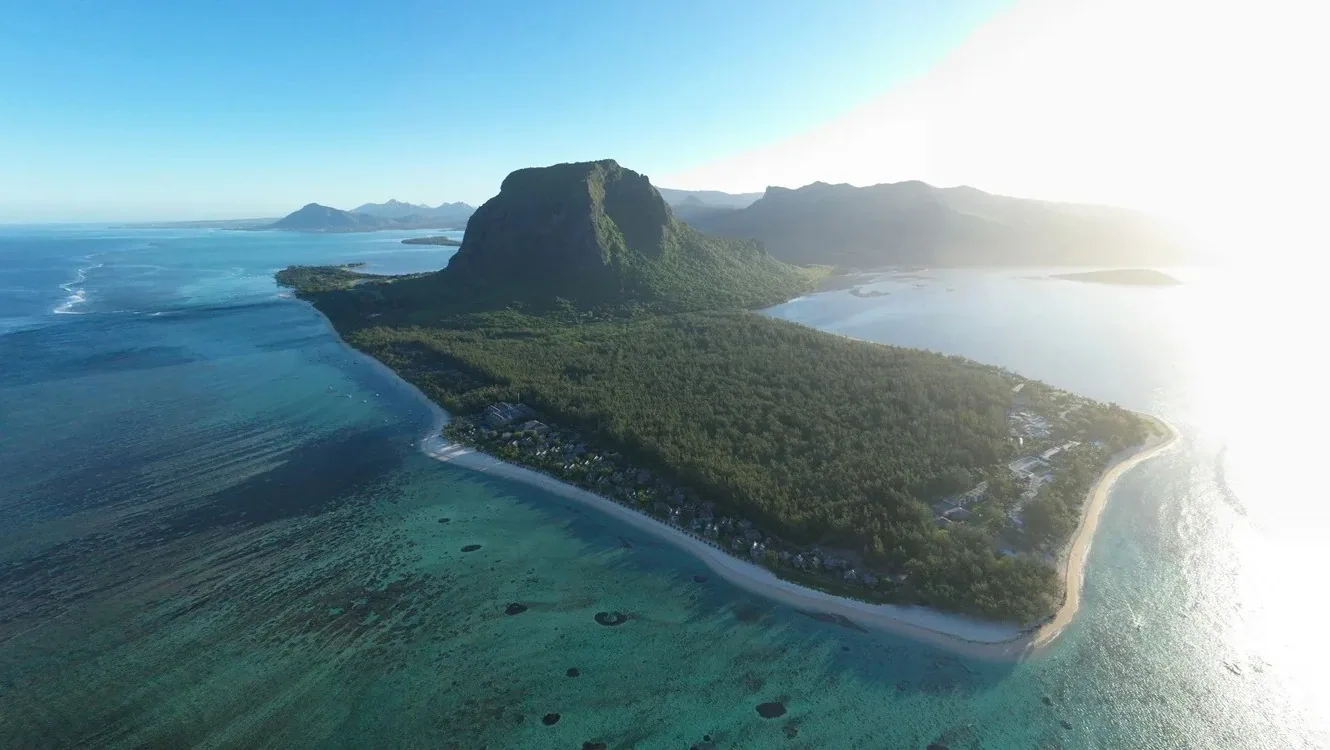
Le Morne Brabant with its lower slopes and steeper upper terrain
Le Morne Brabant can be a rewarding family hike, but it is not automatically a child-friendly walk. Some active children and teenagers may enjoy it, while others may find the steep ground, heat or sense of height uncomfortable. The most useful question is not simply, “How old is my child?” It is, “How does my child cope with this kind of terrain?”
Families also need to separate the idea of exploring the lower part of the mountain from attempting the steeper upper route. You do not need to make reaching the highest point your family’s goal. A shorter walk, a viewpoint reached at an easy family pace or a timely turnaround can still make for a memorable morning.
This guide will help you judge your children’s hiking experience, balance, confidence around heights and response to heat. Because access arrangements, route status and conditions can change, confirm the latest information with the relevant local authority or your chosen provider before setting out.
Good to know
FAQ
Which Le Morne hiking option is best for beginners with children?
Look for an option that clearly explains the terrain, allows a flexible turnaround and does not assume that every participant will attempt the steeper upper route. Tell the provider about each child’s recent hiking experience, balance and comfort with heights. If the full route is not a good match, a lower-section walk or an easier family trail may be more enjoyable.
What should we bring for a family hike on Le Morne Brabant?
Bring comfortable hiking shoes with useful grip, drinking water, sun protection, simple snacks and any personal medication your family requires. Pack lightly enough that adults can still supervise children comfortably. Confirm the provider’s current equipment guidance and check the forecast and trail conditions before leaving.
Can Andeor help us find an experience with transport?
Transport arrangements vary between marketplace experiences. Check the live listing to see whether pickup is included, offered separately or not available. Before booking, confirm the pickup area, timing, child-seat needs and return arrangements through the applicable experience details.
Yes, Le Morne Brabant may suit some active families, particularly those who already walk regularly on rocky or uneven trails. That does not mean every child who enjoys sport, beach walks or short nature outings will be ready for the full hike. Mountain confidence is its own skill.
A sensible family plan starts with the least confident person in the group. Consider whether each child can maintain attention on uneven ground, follow instructions promptly and say honestly when they feel tired or frightened. Adults also need enough spare energy to supervise rather than concentrating entirely on their own footing.
For a family hike, success is everyone returning comfortably—not collecting a summit at any cost.
Why the two parts of the hike feel very different
The lower part and the steeper upper terrain should not be treated as one uniform walk. A child may be perfectly comfortable on the earlier section but lose confidence when the slope, exposure or need to use hands increases. Parents should decide in advance whether the plan is a lower-route outing, a flexible viewpoint hike or a possible attempt at the upper section.
This distinction matters when comparing experiences. A listing described simply as a Le Morne hike may not tell you enough. Ask how far the planned route goes, where the terrain becomes more demanding, whether the group can turn back early and how the pace is managed when abilities differ.
A family suitability checklist
Before booking or setting out, discuss these points with every adult and child in the group:
• Hiking experience: Has the child completed uneven or hilly walks before, rather than only flat paths? • Balance: Can they place their feet carefully on loose, rocky or irregular ground? • Heights: How do they respond when a path feels steep or exposed? • Stamina: Can they keep a steady pace while still having energy for the return? • Heat: Do they recognise thirst, headache, unusual tiredness or irritability and tell an adult early? • Instructions: Will they stop, wait and follow guidance when asked? • Footwear: Do they have comfortable shoes with useful grip that have already been worn? • Group support: Is there an adult available to focus on each child if the group separates?
A hesitant answer does not necessarily rule out Le Morne altogether. It may point towards a shorter lower-route plan, guided support or an easier walk elsewhere. The aim is to match the day to the family you actually have, not the family everyone briefly imagines themselves to be while looking at holiday photos.
Why experience matters more than age alone
Age limits can be useful as a provider’s booking rule, but age alone does not describe readiness. One teenager may be a confident hillwalker; another may dislike steep ground. A younger child with regular hiking experience may move carefully, while an athletic child unfamiliar with trails may rush or tire from the concentration required.
Ask providers about their current minimum age, but also describe your children honestly. Share the longest recent hike they have completed, the type of terrain involved and whether they are comfortable using their hands for balance. If the provider recommends a shorter option, take that advice seriously rather than treating it as a challenge to overcome.
Heat, wind, rain and recent trail conditions
Weather affects more than comfort. Heat can drain family energy sooner than expected, while rain may change the feel of rocky or uneven ground. Wind can also make exposed places feel more intimidating, especially for children who are already unsure about heights.
Check a current local forecast close to the hike and ask about recent trail conditions. Do not rely only on a general monthly climate guide or a forecast checked several days earlier. If conditions do not suit the least experienced person, change the plan. Mauritius will not take it personally.
Carry enough drinking water for your group, sun protection, simple food and any personal medication your family may need. For a fuller packing checklist, consult Andeor’s guide to hiking gear for Le Morne Brabant before deciding what belongs in each daypack.
Should your family hike with a guide?
A guide may be helpful when the family has limited mountain experience, when parents are uncertain about the upper terrain or when a mixed-ability group needs help choosing an appropriate turnaround point. Guided support does not make every route suitable for every child, but it can improve the quality of the planning and give families a local point of contact for route questions.
Before booking, ask who the provider considers the experience suitable for, whether the proposed route includes steeper upper ground and how early turnarounds are handled. Also confirm group size, the expected pace, required footwear, current access arrangements and what happens if conditions lead to a change of plan.
Guide requirements and access rules must be checked against current information. Do not assume that an old trip report, map or social media post reflects the arrangements in place for your chosen date.
How to plan the hike around family energy
Avoid scheduling Le Morne as one item in an overcrowded day. Leave room for the drive, a calm start, breaks and a relaxed return. If your children have already had several active days, consider placing an easier day before the hike rather than expecting holiday enthusiasm to replace recovery.
Agree on the plan before you begin. For example, your primary goal could be to enjoy the lower trail together, with any continuation treated as an optional decision based on conditions and group energy. This removes the pressure to keep climbing simply because the mountain is there.
Keep snacks and water easy to reach, and take short check-in breaks before anyone is exhausted. Ask specific questions: “Do your legs still feel steady?” and “Are you comfortable looking at the path ahead?” will usually tell you more than “Are you fine?”
When to turn around
Turn back if a child becomes frightened, unusually tired, unsteady or unable to follow instructions consistently. A change in weather, worsening trail conditions, a slower-than-planned pace or an adult losing confidence are also good reasons to reassess.
Do not wait for a small concern to become a family argument on steep ground. Stop somewhere stable, have a drink and make a calm decision. Turning around early is good judgement, not a failed hike.
Easier family hiking alternatives in Mauritius
If Le Morne feels too demanding, choose a walk with gentler gradients, less exposure, a shorter turnaround time and terrain that matches your children’s experience. A forest walk, coastal route or short nature trail may offer more freedom to look around and enjoy the landscape instead of concentrating on every footstep.
When comparing alternatives, do not rely on the word “easy” alone. Check the ascent, shade, surface, access, expected duration and current conditions. The easiest option on paper may still feel difficult in strong heat or after a tiring travel day.
What to confirm before booking
Ask the provider to confirm the planned route, current access, minimum age, expected terrain, pace and whether the experience is designed for beginners. Explain the experience of every child rather than giving ages alone. You should also check what equipment is required, whether transport is included or separate and how route changes are handled if conditions are unsuitable.
Read the live experience details carefully because providers and route formats can differ. If the listing does not answer a family-specific concern, ask before booking. A short, honest conversation is much easier than discovering a mismatch on the mountain.
Andeor Editions
Find the right family experience
Compare live Andeor experiences and check the route, terrain, provider guidance and practical details for your family before booking.