Tamarind Falls Canyon Descent: A Practical Booking Guide
Planning a Tamarind Falls canyon descent? Compare options by fitness, water confidence, comfort with heights, guide support, conditions and group pace.
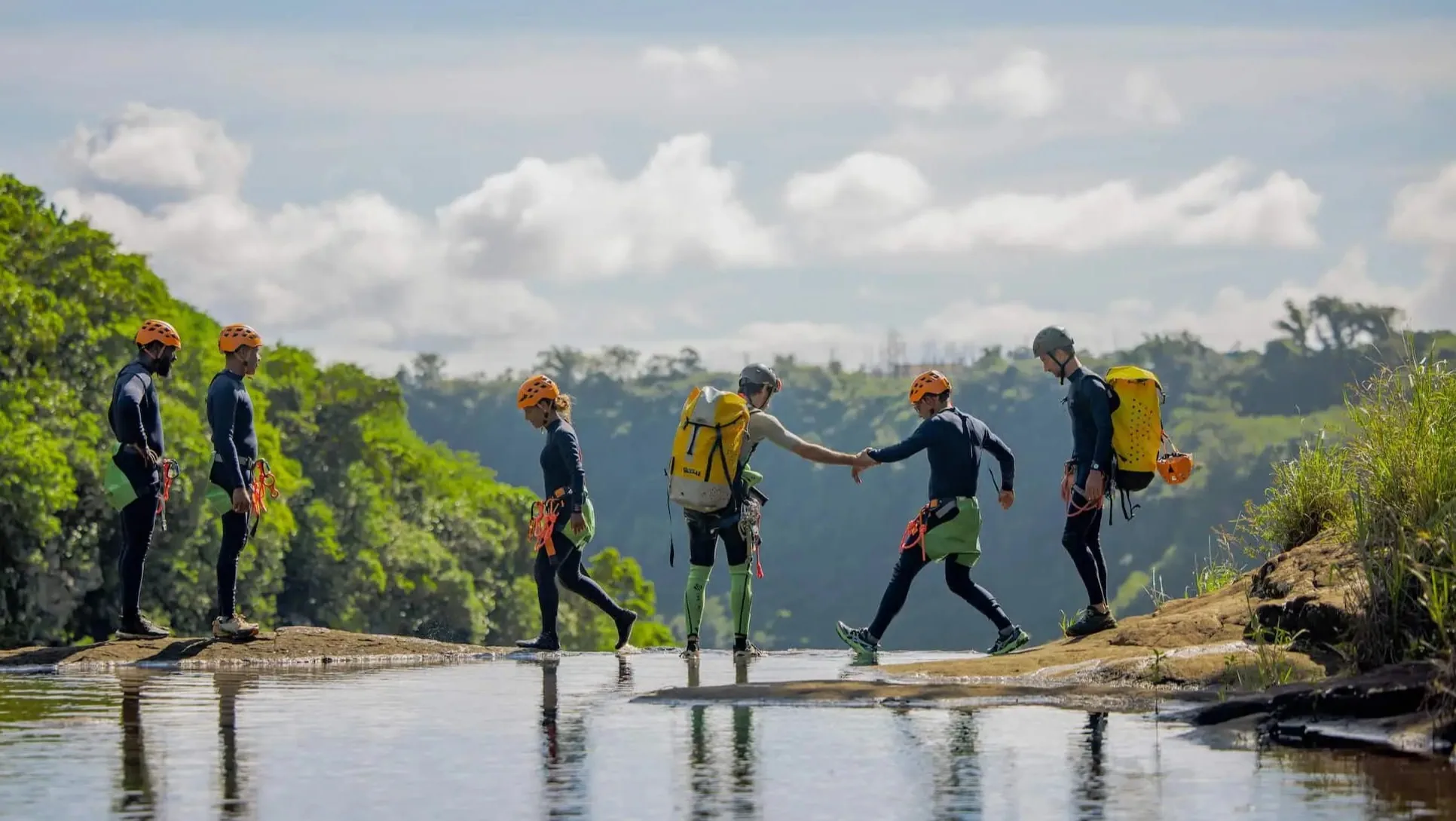

Planning a Tamarind Falls canyon descent? Compare options by fitness, water confidence, comfort with heights, guide support, conditions and group pace.
Good to know
It depends on the route and the beginner’s fitness, water confidence and comfort with heights. Ask the provider whether swimming, rope sections, jumps or exposed areas are involved, whether any sections are optional, and what previous experience is expected. If the route sounds too intense, a guided waterfall hike may be a better first choice.
Check the provider’s latest instructions before packing. Ask what footwear is accepted, which technical equipment is supplied, and whether you need swimwear, a towel, a change of clothes, sun protection, drinking water or snacks. You should also confirm whether phones, glasses or cameras can be carried on the route.
A waterfall hike mainly focuses on walking, viewpoints and scenery, although the ground may still be steep, muddy or uneven. Canyoning generally involves more direct movement through the gorge and water, potentially including swimming, scrambling, height exposure or rope-assisted sections. Check the exact route details with the provider because experience names and formats vary.
Keep reading
A Tamarind Falls canyon descent is not the kind of outing to choose only because the photos look exciting. It can be a brilliant day if the route, guide style and group pace suit you. It can also feel like a very long morning if someone in the group quietly dislikes deep water, slippery rock or being near drops.
This practical guide will help you decide whether a canyon descent is right for your group. It covers what to expect, how canyoning compares with hiking, and how to fit Tamarind Falls into a balanced Mauritius trip.
In everyday booking language, a canyon descent usually means moving through a waterfall and gorge environment with a guide. Depending on the route and current conditions, that may involve walking on uneven terrain, entering water, scrambling over wet rock, using ropes or following guide instructions for specific sections.
The important point is simple: this is not the same as a casual swim at a waterfall. Before booking, look beyond the main photo and check the expected effort, water sections, height exposure, minimum age or ability guidance, and what the provider expects from each participant.
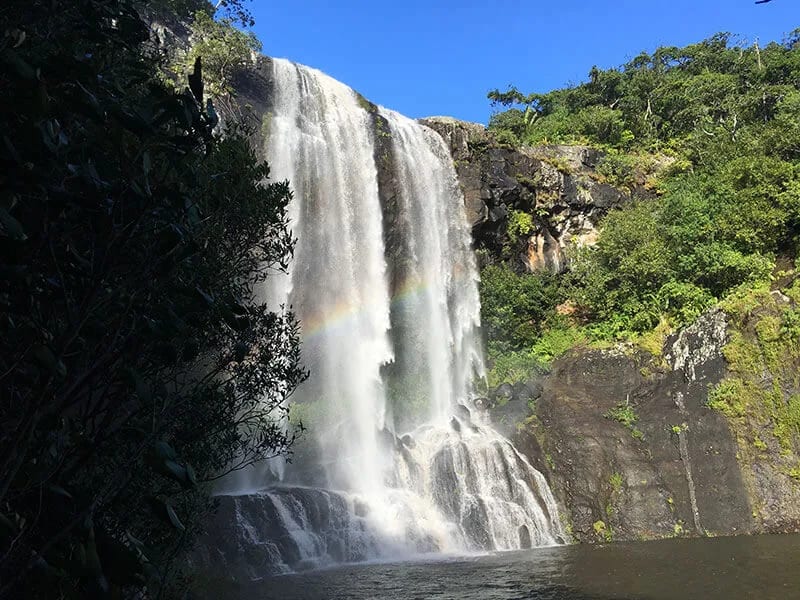
Tamarind Falls is one of those places in Mauritius where one name can cover several trip styles. Some travellers want a scenic look at the falls. Others prefer a guided waterfall hike. Some are ready for a more technical, provider-supervised canyoning experience.
If you are still learning what the activity involves, read An Deor’s guide to Tamarind Falls canyoning in Mauritius. If you are choosing between canyoning and hiking, use the comparison guide. If you are placing the falls within a wider day or island itinerary, the Tamarind Falls planning article can help.
Andeor Editions
Start with the practical what-to-expect guide for a clearer picture of the activity before comparing options.
The terms can be confusing when you compare experiences. A guided waterfall hike usually focuses on walking, viewpoints, natural pools and waterfall scenery. It can still involve uneven or muddy ground and physical effort, but the main activity is walking.
A canyoning or canyon descent experience usually involves more direct movement through the gorge and water environment. Your comfort with wet rock, moving water, rope sections and guide instructions matters much more.
If your group is split between “this sounds amazing” and “please do not make me step backwards near a waterfall”, take that seriously. A waterfall hike may be the better shared choice, and nobody has to pretend they are secretly a mountain goat.
Andeor Editions
If you are unsure which style suits your group, use the An Deor comparison guide before choosing.
For a Tamarind Falls canyon descent, do not judge fitness only by distance. The effort can come from repeated short sections: walking on uneven ground, moving carefully on wet surfaces, getting in and out of water, listening to instructions, waiting for others and staying focused throughout the route.
Before booking, ask how long the active part usually takes, whether there are steep approaches or exits, and whether participants need to climb, scramble or swim. If someone in your group has limited mobility, low stamina or a recent injury, describe their needs to the provider and ask whether the route is suitable.
Water confidence is one of the biggest decision points. It is not only about whether you can swim in a pool. Think about how you feel in natural water, near waterfalls, on slippery surfaces and in places where your feet may not immediately reach the bottom.
Useful questions include: How much time is spent in the water? Are there sections where swimming is required? Are flotation aids supplied or used? Can a nervous participant avoid certain sections, or is the route continuous once it starts? The answers are more useful than a general difficulty label.
Some people are fit and comfortable in water but do not enjoy height exposure. Others are fine with heights until they have to move slowly near a drop while everyone watches. Be honest here. A guided canyon descent is not the best place to discover that your knees have filed a formal complaint.
Ask whether the experience includes abseiling, rope-assisted sections, jumps, downclimbs or exposed ledges. Also ask whether any part is optional. Providers may describe routes differently, so focus on the actual movements involved rather than the activity name alone.
Waterfall and gorge routes can change with the conditions. Rain, water levels, surface grip and visibility may affect the route or plan a guide considers appropriate on the day. Check the weather and ask about recent rainfall as part of your booking decision rather than leaving those questions until the last minute.
Before confirming, ask how the provider handles changing conditions. Who decides whether the route needs to change? What are the options if the activity cannot run as planned? Ask whether an alternative route, rescheduling or another arrangement may be offered, then check the provider’s latest booking terms. Clear answers are especially helpful if your Mauritius itinerary is already full.
Do not assume every canyoning experience supplies the same equipment or follows the same format. Ask what is provided, what you need to bring and what footwear is accepted. Questions may cover helmets, harnesses, ropes, wetsuits where relevant, dry bags, flotation aids, and whether carrying glasses, phones or cameras is practical on the route.
It is also reasonable to ask about guide support. How many guides accompany the group? How are nervous participants supported? Is there a briefing before the first technical section? Which languages are used for instructions? What should participants do if they want to stop? The provider should be able to explain the process clearly.
A good booking question is not awkward. It is simply how you make sure the day you imagine is close to the day you are actually choosing.
Canyoning is rarely only about the strongest person in the group. The pace may be shaped by cautious participants, the guide’s condition-aware decisions, the route and the number of people who need support at each section.
If you are booking as a couple, family or group of friends, talk honestly before you reserve. Who is excited? Who is unsure? Who dislikes heights? Who needs more time in water? If your comfort levels are very different, ask whether a private or smaller-group option is offered for your preferred date. A waterfall hike or gentler nature-focused day may also suit the group better.
A Tamarind Falls canyon descent may suit your group if everyone is active, comfortable following guide instructions, reasonably confident around natural water, and prepared for a route that may include wet rock, heights or rope-assisted sections.
Consider a guided waterfall hike if you mainly want scenery, walking and viewpoints with fewer technical sections. A lighter scenic visit may be a better fit if your priorities are photography, a gentler pace or including Tamarind Falls in a wider itinerary without making the whole day physically demanding.
When comparing marketplace experiences, read the latest listing details carefully and ask questions before booking. Check the activity level, minimum age or ability notes, equipment information, meeting point, expected timing, weather policy and whether transport is part of the experience.
Andeor Editions
Use the Tamarind Falls planning guide to decide whether a scenic stop, guided hike or canyoning day fits your Mauritius itinerary.
Use An Deor’s marketplace to compare experience details. Choose according to your group’s fitness, comfort with water and heights, timing, transport needs and the guide support described. Before reserving, ask the provider to confirm whether your preferred date can be accommodated, what is included and which booking terms apply.
Andeor Editions
Explore An Deor marketplace listings and compare the practical details. Ask the provider to confirm your preferred date, inclusions and terms before booking.