Tamarind Falls Hike: How to Choose the Right Waterfall Route
Planning a Tamarind Falls hike in Mauritius? Compare scenic visits, guided waterfall walks and more demanding routes by terrain, effort, conditions and group confidence…
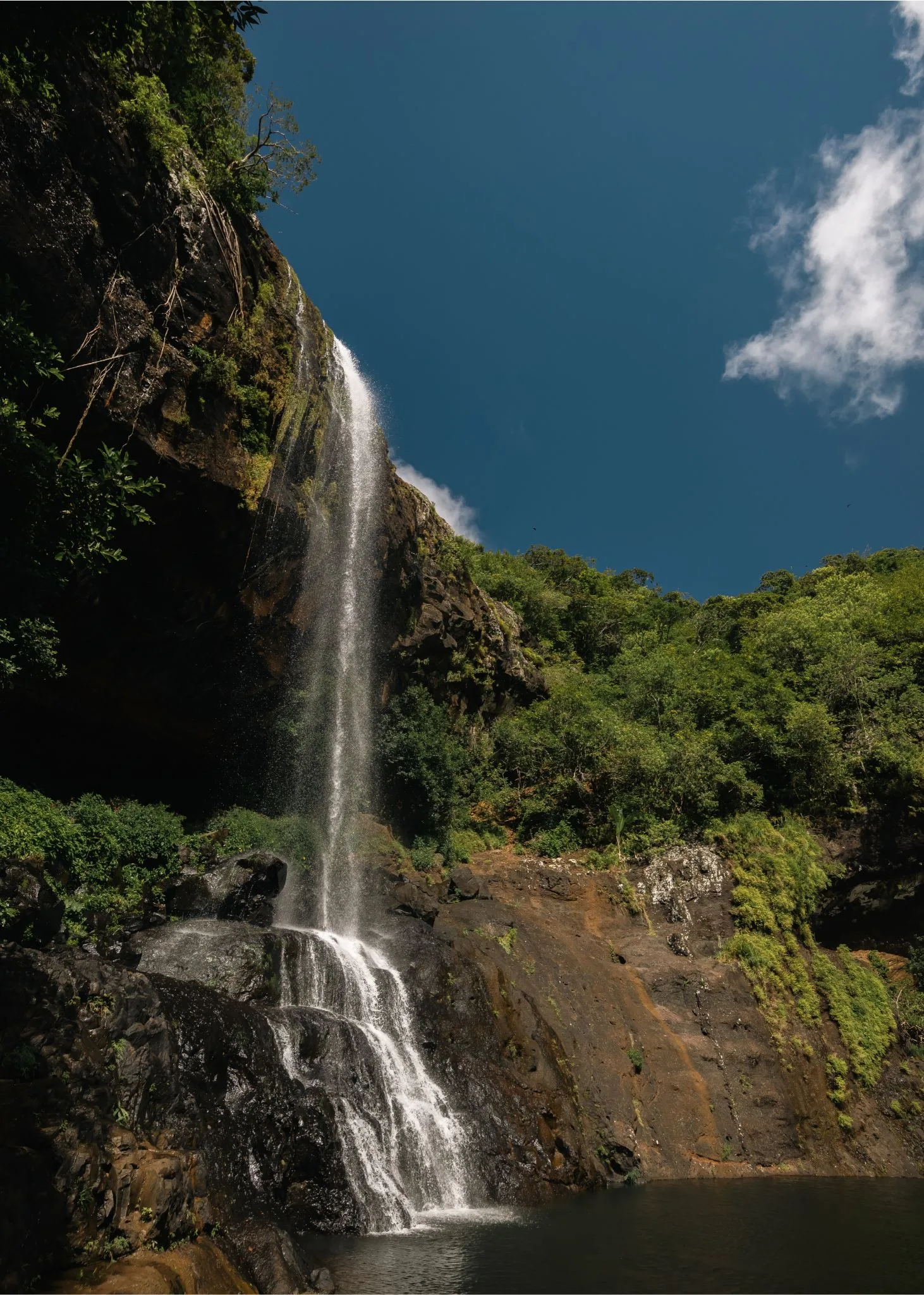
A waterfall descending into a rocky gorge surrounded by trees at Tamarind Falls. Photograph from Yanature.
A Tamarind Falls hike is not one fixed walk with a single difficulty rating and a standard finish time. The name can refer to several ways of exploring the waterfall and gorge area, from a scenic visit to a guided walk across uneven ground or a more demanding day among several waterfall levels.
That variety is part of the appeal, but it can make booking confusing. The useful question is not simply whether Tamarind Falls is worth visiting. It is which format suits your fitness, confidence, available time and group. This guide will help you compare the options without pretending that every route or every day feels the same.
Good to know
FAQ
Which Tamarind Falls experience is best for beginners?
Beginners should look for a shorter guided exploration with a clear terrain description rather than choosing by the number of waterfalls visited. Ask about the steepest section, wet ground, walking time and group pace. If you are not comfortable on uneven terrain, consider a scenic format instead. Suitability must be confirmed for the specific route and current conditions.
What should I bring for a Tamarind Falls hike?
Follow the provider’s current packing instructions. As a general planning checklist, ask about suitable closed footwear, drinking water, sun and rain protection, insect protection, a small daypack and a dry change of clothes. Do not assume ordinary beach sandals will suit an uneven waterfall route.
Can Andeor help with transport to Tamarind Falls?
Transport arrangements depend on the live experience. Check whether the listing includes a transfer, offers one separately or requires you to reach a meeting point. Confirm the exact location and timing before booking, especially if you are staying in another part of Mauritius.
It helps to think of Tamarind Falls as a landscape rather than a single marked trail. A listing described as a waterfall visit may involve a different route, level of effort and amount of time near the water than one advertised as a hike. Even two hiking experiences can take different lines through the area.
Before comparing offers, look beyond the activity name. Ask which part of the area the experience explores, whether there are steep or slippery sections, how much walking is involved and whether entering the water is expected. Precise access instructions and route details should come from the provider rather than an old map, an informal social post or a confident stranger in the hotel car park.
Three ways to experience Tamarind Falls
1. A scenic visit
This is the gentlest format to look for if your priority is seeing the landscape rather than completing a substantial hike. It may suit travellers with limited time or groups with mixed energy levels. Do not assume that every viewpoint is effortless to reach, however. Confirm the walking surface, distance from the meeting point and any steep approaches before booking.
2. A shorter guided waterfall exploration
A shorter guided option can offer more time within the gorge without committing to the most demanding route available. It may include uneven paths, natural steps, stream edges or wet ground. This format can be a sensible middle choice for active beginners, provided the current route matches their ability.
3. A more demanding waterfall hike
A longer or more involved hike may link several parts of the waterfall area and require sustained concentration on irregular terrain. Fitness matters, but balance, confidence on steep ground and comfort moving at the group’s pace can matter just as much. Ask for a clear description of the hardest section rather than relying only on labels such as moderate or adventurous.
How difficult is the Tamarind Falls hike?
There is no honest one-word answer because the difficulty depends on the chosen route and current conditions. A short visit and a fuller waterfall hike should not be treated as the same outing. Recent rain may also affect grip, water levels and which parts of the area a provider considers suitable.
When judging your fit, consider more than your usual walking distance. Think about uneven footing, possible mud, natural inclines, repeated changes in height and how comfortable you are when the ground is wet. A person who happily walks for hours on a flat promenade may still find a shorter gorge route demanding.
The best route is not the one that reaches the most waterfall levels. It is the one your whole group can enjoy without spending the day tense, rushed or wishing for a lift that does not exist.
Do you need a guide?
Local guidance is worth considering when a route is unclear, conditions are changeable or your group is unfamiliar with gorge terrain. A guide can explain the planned route, manage the group pace and adapt the outing within the provider’s operating limits. Guidance does not remove the need for suitable footwear, honest fitness information or careful movement.
If you are considering an independent visit, first establish whether you have reliable, current access and route information. Do not base the decision only on an offline pin or a route description from a different season. If any member of the group is uneasy around steep, wet or irregular ground, a guided format or gentler alternative may be the more suitable choice.
Hiking or canyoning at Tamarind Falls?
Hiking and canyoning are not interchangeable names for the same activity. A waterfall hike focuses on travelling through the landscape on foot, although some routes may approach water or involve wet ground. Canyoning is a more technical water-based activity whose exact movements, equipment and route depend on the provider and current conditions.
Choose hiking if you mainly want to explore the gorge on foot and are comfortable with the stated terrain. Consider canyoning only if you understand the planned activity and are honest about your swimming ability, water confidence, comfort with heights and tolerance for technical movement. Read the live listing carefully and ask what participation involves before paying.
When to plan your hike
The calendar alone cannot tell you whether a route will be suitable. Check the forecast, recent rainfall and the provider’s latest assessment close to the activity date. Conditions in a waterfall gorge may differ from those at your coastal accommodation, so blue sky outside your breakfast window is useful but not a complete field report.
Keep some flexibility in your itinerary. If the provider changes, postpones or advises against the planned route because of conditions, follow the latest instructions and ask about the available alternatives. Having a lower-effort option in mind can make a last-minute change easier to manage.
How much time should you allow?
Avoid assigning a universal duration to a Tamarind Falls hike. The total depends on the selected route, group pace, meeting arrangements, conditions and any time spent near the waterfalls. Use the duration shown on the current experience listing, then confirm whether it covers only the guided activity or also includes transfers and preparation.
Leave breathing room around the experience. A demanding waterfall hike is rarely improved by a tightly timed restaurant booking on the other side of the island. Allow for changing clothes, eating, travel and a slower afternoon if the group needs it.
Is a Tamarind Falls hike suitable for your group?
Couples and small groups should choose according to the least confident participant, not the most athletic one. Discuss steep ground, wet feet, balance and pace before booking. A shorter shared route is usually a better group memory than splitting up under pressure.
Families with older children should ask the provider about the exact route, minimum age, supervision, exposure and current conditions. Age alone does not describe readiness. A child’s experience on uneven terrain, ability to follow instructions and confidence around moving water are also relevant. Only the operating provider can confirm whether a specific departure is suitable.
What to check before booking
Ask which route format is planned, what the hardest section involves and whether getting wet is optional or expected. Confirm the approximate walking time, group size, required fitness, footwear guidance, meeting point and what equipment is supplied. If the listing gives an age limit or other participation rule, check that every member of your group meets it.
You should also ask how recent rain or changing weather may affect the plan, what happens if the route cannot operate and whether transport is included, optional or separate. These details can vary between experiences, so use the live listing and provider confirmation rather than assuming that one Tamarind Falls product represents them all.
Where Tamarind Falls fits in your Mauritius itinerary
Before adding other bookings on the same day, check the meeting arrangements and expected duration for your Tamarind Falls visit. Longer routes may take up a substantial part of the day, so leave enough time for travel and changing afterwards.
If your itinerary includes several active experiences, separate the harder days where possible. Alternating a waterfall hike with coast time, a cultural visit or a gentler outing gives your group room to recover and makes it easier to adjust plans when conditions change.
Tamarind Falls hike FAQ
Andeor Editions
Find the right Tamarind Falls experience
Compare current Andeor marketplace options by activity format, terrain, group fit and booking details. Choose the experience that suits your group rather than simply picking the longest route.