Whale Watching in Mauritius. What Is Legal and How to Choose a Tour
Whale watching is legal in Mauritius under strict rules. Swimming with whales is prohibited. Learn the law, seasons, booking checks and Andeor options.

Whale watching is legal in Mauritius under strict rules. Swimming with whales is prohibited. Learn the law, seasons, booking checks and Andeor options.
Good to know
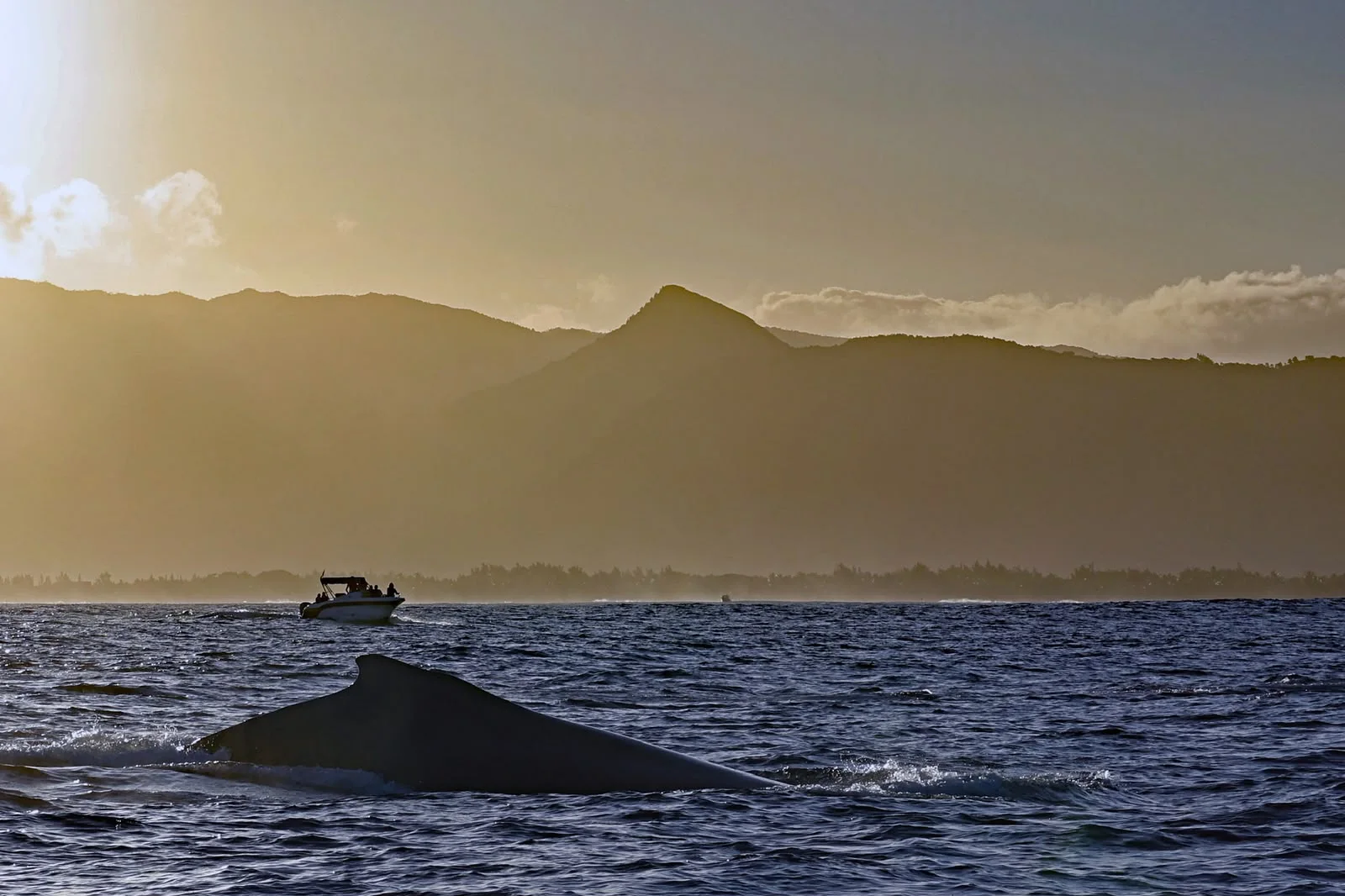
Yes. Paid whale watching is legal when the operator, skipper, vessel and trip comply with the Tourism Authority rules. Whales are observed from a pleasure craft, with required licences, equipment, distances, navigation rules and operating times.
No. Swimming, diving and snorkelling with a whale are prohibited. The Tourism Authority may give written authorisation for educational or scientific purposes, but that narrow exception does not make an ordinary recreational whale swim lawful.
MMCO reports a small resident sperm whale population that occurs throughout the year. Humpback whales are seasonal visitors, generally from June to October. Neither pattern guarantees a sighting on a particular trip.
The 2012 regulations create a prohibited zone within 100 metres of the closest whale. The zone from 100 to 200 metres is regulated, and the boat must use no-wake speed and follow the required approach rules.
Confirm that whale observation is boat-based, ask about the tourist enterprise licence and skipper certificate, read the no-sighting and weather terms, and check the vessel, group size, safety equipment and accessibility for your party.
Whale watching is legal in Mauritius when it is conducted under the Tourism Authority rules. Swimming, diving or snorkelling with a whale is prohibited. This distinction matters because online adverts, videos and combined dolphin-and-whale excursions can make the two activities look interchangeable. They are not. A lawful visitor experience watches whales from the boat and respects the required distances and navigation rules.
This guide explains the legal position in plain language, describes the whales visitors may encounter, shows what to ask before booking and introduces the whale-watching experiences currently listed on Andeor. Wildlife is never guaranteed, and the skipper may change or cancel a trip when sea conditions or animal behaviour require it.
Watch whales from the boat. Do not enter the water to swim, dive or snorkel with a whale.
Yes. The Tourism Authority (Dolphin and Whale Watching) Regulations 2012 define dolphin and whale watching as viewing dolphins and whales from a pleasure craft in the territorial sea. A business that provides the activity for payment must comply with the licensing, equipment, operating and time requirements in those regulations.
For a paid whale-watching trip, the operator must hold the appropriate tourist enterprise licence. The pleasure craft must be operated by a skipper who holds the required certificate. The craft must display the Tourism Authority label showing that the licensee is authorised for dolphin and whale watching, and it must have a propeller guard approved by the Authority.
The regulations also require paid dolphin and whale watching to take place between 06:00 and noon unless the Tourism Authority gives written authorisation for another time. Before departure, ask the operator to confirm the licence, the skipper certificate, the vessel and the planned activity. A booking page or social-media account is not a substitute for those official requirements.
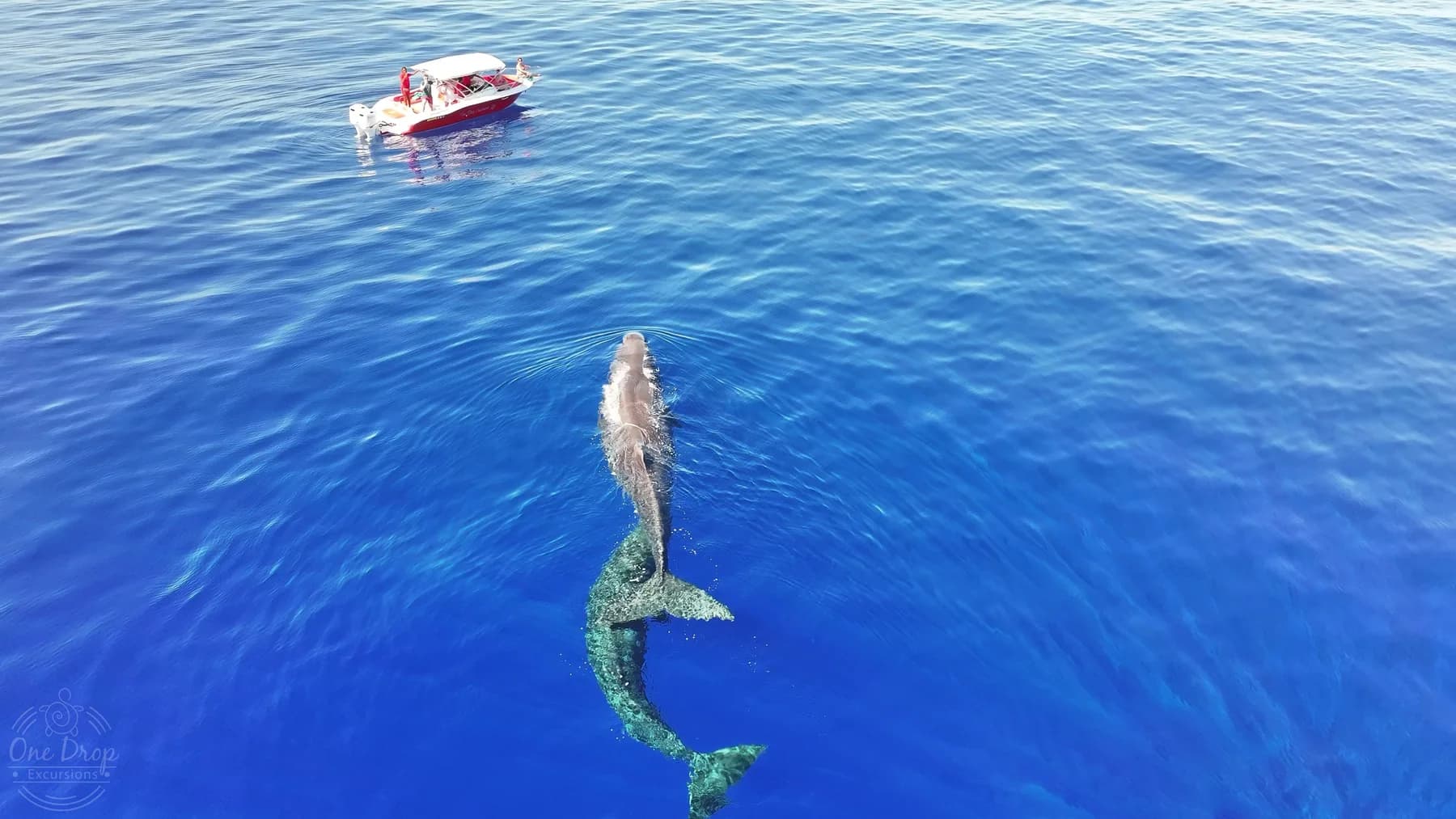
The regulations create a prohibited zone within 100 metres of the closest whale and a regulated zone from 100 to 200 metres. A pleasure craft must not operate inside the prohibited zone. In the regulated zone, the skipper must approach from the side, follow a parallel course, travel at no-wake speed, enter and leave at no-wake speed and keep the engine in neutral when the boat is stationary.
The skipper must not approach from directly ahead or behind, drive through a group, circle the animals or make sudden changes of speed or direction in the regulated zone. The rules are designed to give the animals space and to keep their path open.
Yes. Regulation 8(1)(b) says that no person may swim, dive or snorkel with a whale. The Tourism Authority repeated this publicly in its July 2024 communiqué on dolphin and whale watching. A skipper or seller cannot make a recreational whale swim lawful by calling it an encounter, an expedition, a research-style experience or a photography session.
There is one narrow exception. The Tourism Authority may authorise an otherwise prohibited activity in writing for educational or scientific purposes. That is an official permission for the authorised work. It is not a general exception for a commercial tourist excursion. If a seller claims to rely on it, ask to see the written authorisation and confirm it directly with the Tourism Authority before paying.
The same 2012 regulations recognise a separate licensed activity that combines dolphin and whale watching with swimming with dolphins. That activity has additional conditions and a different time window. It does not permit swimming with whales. On a combined trip, any lawful dolphin swim and any reef snorkelling are separate from whale observation. Whales must still be watched from the boat.
Feeding, touching or trying to touch a dolphin or whale is also prohibited. So is making noise to attract them, throwing objects or substances near them and surrounding them with a boat. The clearest booking promise is simple. Whale observation takes place from the boat only.
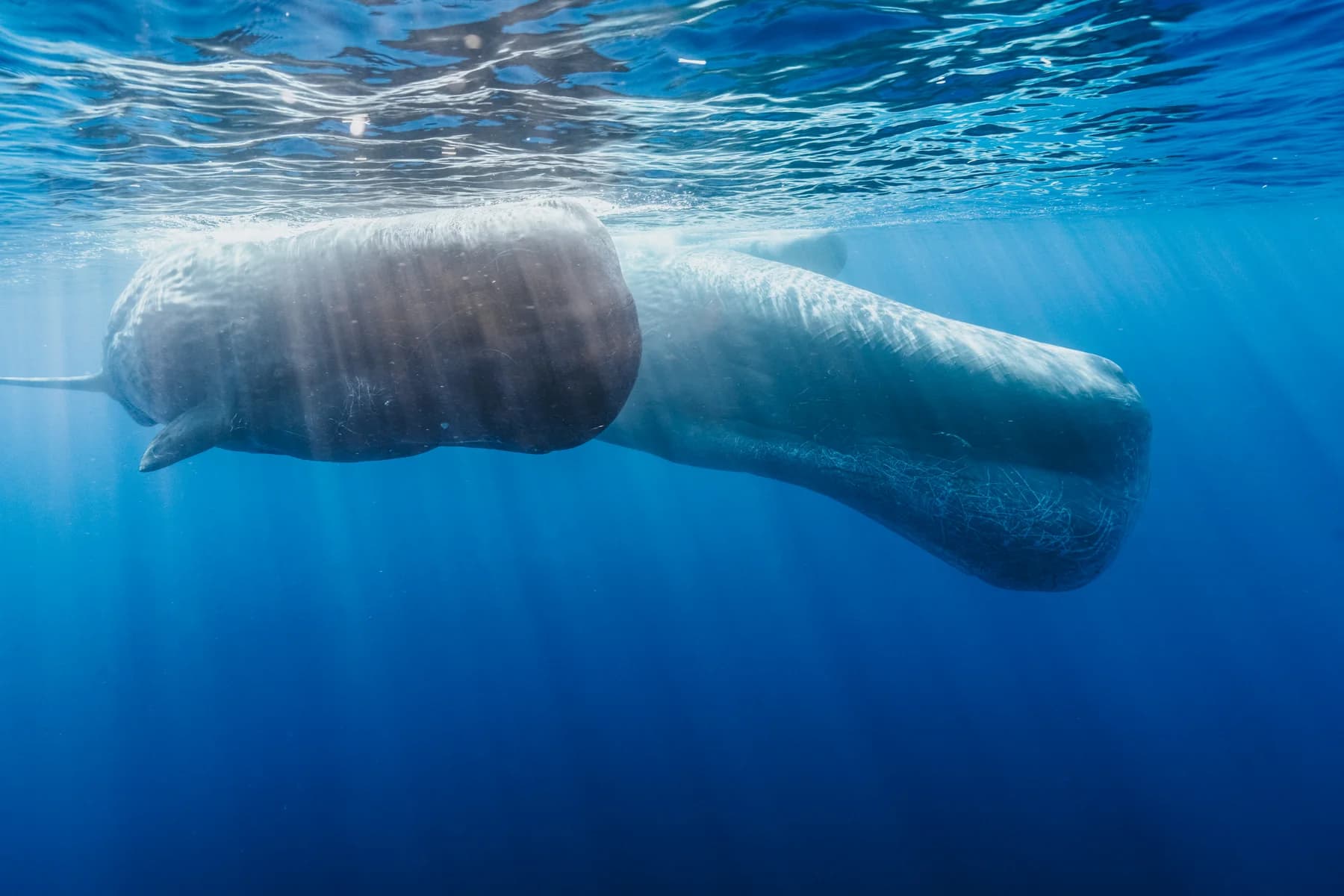
Mauritian waters support a varied cetacean community. The Marine Megafauna Conservation Organisation, known as MMCO, reports that about 15 cetacean species occur in Mauritian waters. For most visitors planning a whale-watching trip, the two names they will encounter most often are sperm whales and humpback whales.
MMCO describes sperm whales as one of the more common whale species in Mauritian waters and reports a small resident population that occurs throughout the year. This does not mean a boat will find them on every trip. They travel, dive for long periods and respond to changing conditions. A year-round presence is not a sighting guarantee.
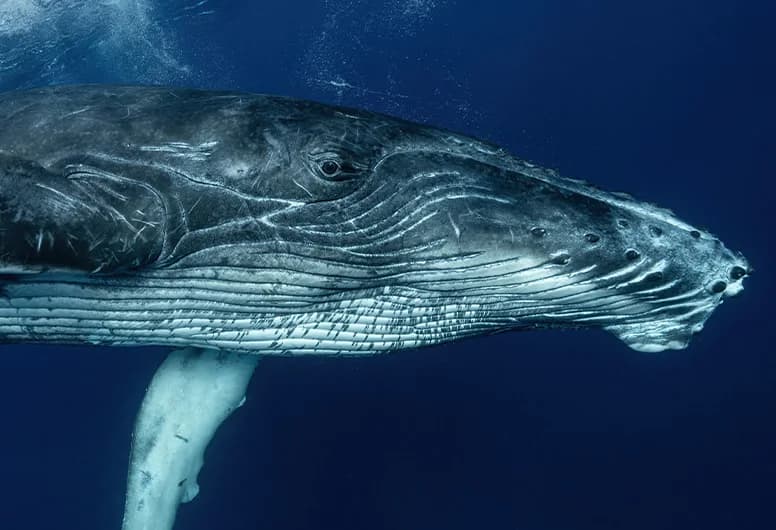
MMCO reports that humpback whales visit Mauritius from roughly June to October to mate and give birth. The timing can vary, and the presence of whales in the wider region does not mean they will be visible from a particular boat on a particular morning. Treat photographs of breaches, mothers and calves as possible moments, not as a promised itinerary.
Mauritius has also strengthened the wider protection of marine mammals. Section 27 of the Fisheries Act 2023 prohibits commercial whaling. It also addresses harmful impacts from fishing operations and directs the relevant authority to work on underwater noise and entanglement risks. Whale watching is therefore best understood as observation of wild animals, not access to a performance.
Current Andeor listings include departures from Black River on the west coast and Grand Gaube in the north. Black River trips head beyond the reef towards deeper offshore water. The Grand Gaube listing combines coastal wildlife observation with an offshore search for sperm whales. The actual route always depends on the sea, the weather, the animals and the skipper’s safety decision.
Early departures are normal. They fit within the legal operating window for paid whale watching and often use the part of the morning that operators judge most workable for the sea. Early does not mean guaranteed. It means guests should arrive on time, ready for open-water conditions and prepared for the possibility that the plan changes.
Ask whether whale observation is from the boat only. Ask for confirmation of the operator’s tourist enterprise licence, the skipper’s certificate, the Tourism Authority label on the vessel and the approved propeller guard. Ask what the captain does when another boat is already with the whales, how long the vessel remains near one animal or group and what happens if no whale is found.
No operator can guarantee a wild-whale sighting. A promise of a guaranteed close approach, a guaranteed swim or a guaranteed photograph should make you pause. A responsible trip may return without a sighting, keep a greater distance than a guest hoped for or leave an encounter early because the animal changes direction or shows avoidance behaviour.
Good practice should be visible on the water. The boat should approach from the side, remain parallel, slow down before entering the regulated zone and leave the whale a clear path. The captain should not race other boats, cut across the whale, pursue it from behind, surround a group or use noise to draw animals closer. These points reflect the Mauritian rules and the wider International Whaling Commission principles for whale watching.
The following marketplace listings were approved and published on Andeor when this guide was reviewed. Their pages contain the current trip format, group size, inclusions, departure details, booking conditions and live availability. Prices and operating details can change, so use the listing itself as the current source before booking.
Private Whale Watching from Black River is a private trip for up to eight guests. The listing offers a whale-focused search of up to three hours and a longer option that begins with dolphins before continuing offshore for whales. It departs early from Black River. Any snorkelling equipment listed for a broader itinerary does not change the law. Guests must not enter the water with a whale.
Dolphin and Whale Watching off the West Coast is a private four-hour trip for up to six guests. The listing explicitly presents whale and dolphin observation from the boat and describes humpback whales as a seasonal part of the trip. Guests can choose between the boats shown on the listing, subject to the partner’s confirmation and conditions on the day.
Private Dolphin and Sperm Whale Watching leaves from Grand Gaube and runs for about four to four and a half hours. The listing combines dolphin observation, a possible guided dolphin swim when lawful conditions allow, breakfast, sperm whale observation from the boat and reef snorkelling on the return. It states clearly that swimming with sperm whales is prohibited.
These three experiences are different in departure coast, route, duration and the other activities included. Compare the full listing, not only the headline. If your priority is whales alone, choose a format centred on a whale search. If you prefer a broader morning at sea, consider a combined itinerary while keeping the whale encounter boat-based.
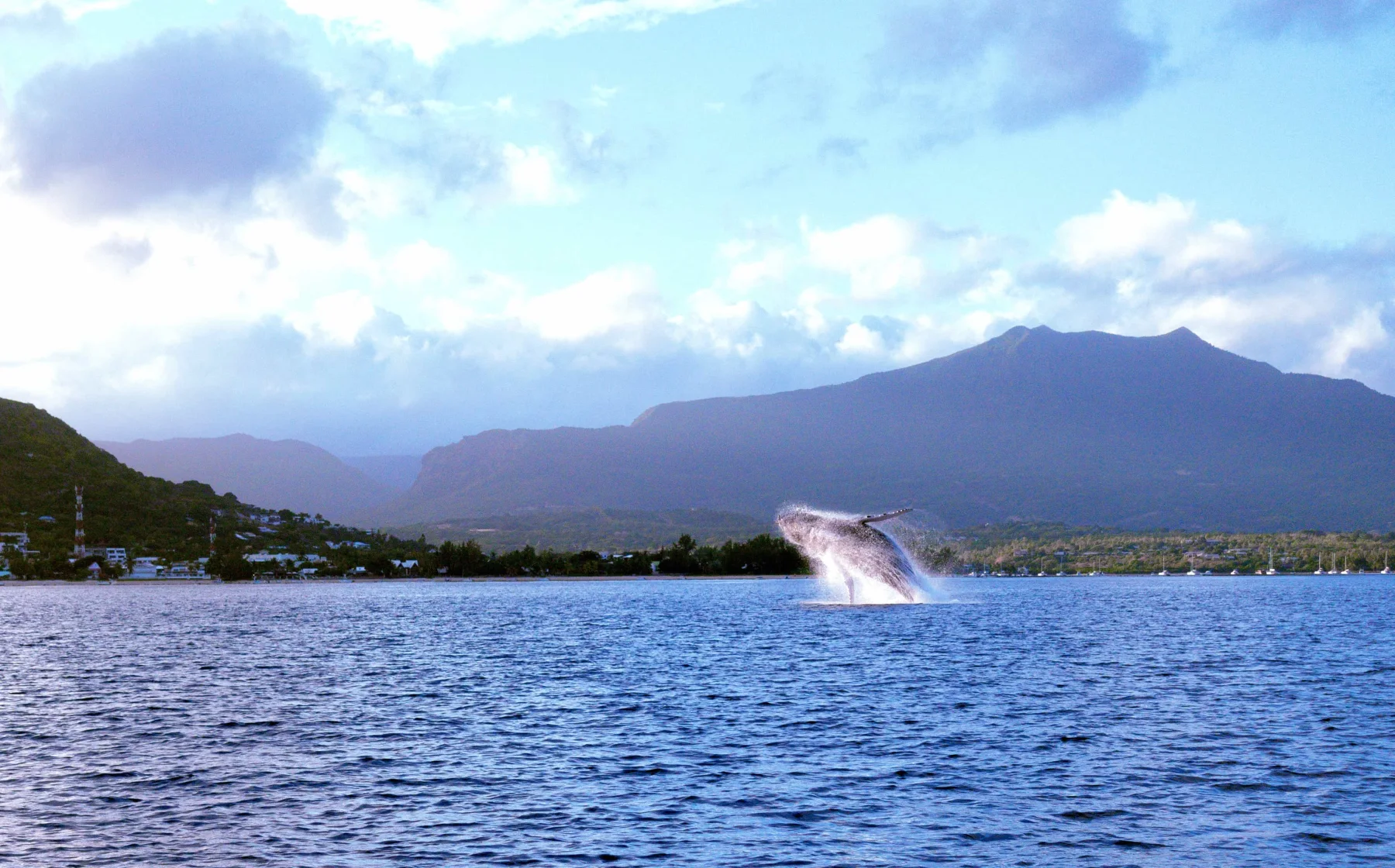
Whale watching usually involves open water beyond the lagoon. Wear sun protection that works on a moving boat, secure hats and loose items, bring water if it is not included and follow the crew’s instructions about where to sit or stand. If you are prone to motion sickness, seek advice from a pharmacist or doctor before the trip and take any suitable remedy at the recommended time.
Tell the partner before booking about pregnancy, reduced mobility, back or neck problems, very young children, recent surgery or any condition that could make a fast or rolling boat uncomfortable. The right answer may depend on the vessel, the sea forecast and the person. Do not rely on a generic article to decide medical suitability.
Confirm the meeting point, reporting time, parking or transfer arrangements, maximum group size, life-jacket provision, toilet and shade facilities, food and drinks, cancellation terms and the bad-weather policy. Also ask whether the trip is private or shared. These practical details can matter as much as the planned route.
A no-sighting morning is a normal possibility in wildlife observation. Some trips are time-limited searches. Others combine whales with dolphins, reef snorkelling or a coastal route. Read the listing to understand whether the operator returns after a set search period, continues with another part of the itinerary or offers any specific no-sighting policy. Never assume a refund or repeat trip unless the written booking terms say so.
A captain who refuses to chase a distant report, enter unsafe water or crowd an animal is making a defensible decision. The purpose of a whale-watching trip is to create the possibility of observation without overriding safety, the law or the welfare of the whales.
1. Confirm that whales are watched from the boat only. 2. Confirm the operator’s licence and the skipper’s certificate. 3. Ask how the 100-metre prohibited zone and the 100-to-200-metre regulated zone are handled. 4. Check the departure time and the weather policy. 5. Read the no-sighting and cancellation terms. 6. Confirm the boat, capacity, shade, life jackets and accessibility. 7. Avoid any seller promising a whale swim, a guaranteed sighting or a guaranteed close encounter.
The legal explanation in this guide was reviewed on 2 September 2026 using the Tourism Authority regulations, the Authority’s legislation library, its 2024 whale-swimming communiqué, the Fisheries Act 2023 and MMCO’s cetacean information. Regulations and licences can change. Check the Tourism Authority if you need a current legal determination. This article is practical travel information and not legal advice.
Andeor Editions
Review the current partner listings, choose the route and format that suit your group, and keep every whale encounter boat-based.
Keep reading