Kayaking in Mauritius: How to Choose Between River, Lagoon and Dolphin Experiences
Compare river, lagoon, coastal and dolphin-related kayaking in Mauritius by paddling effort, water conditions, wildlife expectations and itinerary fit before choosing an experience.
Planning to kayak in Mauritius sounds simple until you start comparing the options. A calm river route, a sheltered lagoon crossing, an exposed coastal paddle and a dolphin-related outing can feel like four very different activities. The right choice depends less on the prettiest photograph and more on your confidence, the expected conditions, your group and what you want from the day.
Good to know
FAQ
Which kayaking experience in Mauritius is best for beginners?
A sheltered river or lagoon route may be a sensible place to start, but the setting alone does not determine difficulty. Wind, current, route length and launch conditions all matter. Ask the provider how much paddling is involved, whether instruction is included and whether the current route suits first-time kayakers.
What should I bring for kayaking in Mauritius?
Check the provider’s instructions first. Commonly useful items include quick-drying clothes, secure footwear if requested, sun protection, drinking water and a change of clothes. Ask what equipment is supplied and how personal items such as a phone or camera should be protected.
Can Andeor help with transport to a kayaking experience?
Transport arrangements vary between experiences and should not be assumed. Review the live listing for meeting information and contact Andeor before booking if you need help understanding how the departure point fits with your accommodation or wider itinerary.
This guide explains those differences without assuming that every lagoon is calm, every river is easy or every wildlife outing leads to a sighting. By the end, you should have a clearer idea of which setting suits you and what to confirm with the provider before booking.
Kayaking in Mauritius is not one single experience
The word “kayaking” covers several settings in Mauritius. Rivers can feel enclosed and green. Lagoons may offer broad coastal views and relatively protected water, while coastal routes can be more exposed to wind, swell and currents. Dolphin-related trips add an unpredictable wildlife element and may involve paddling in open water.
Conditions also matter on the day. A route that sounds gentle on paper may require more effort when the wind changes or the water becomes less settled. Rather than choosing by location alone, compare the likely paddling time, exposure, launch conditions, group format and procedure if conditions are unsuitable.
Quick comparison of river, lagoon, coast and dolphin-related kayaking
River kayaking — Best considered by travellers who enjoy vegetation, quieter scenery and a more enclosed route. Ask about current, obstacles, water level and how much uninterrupted paddling is involved.
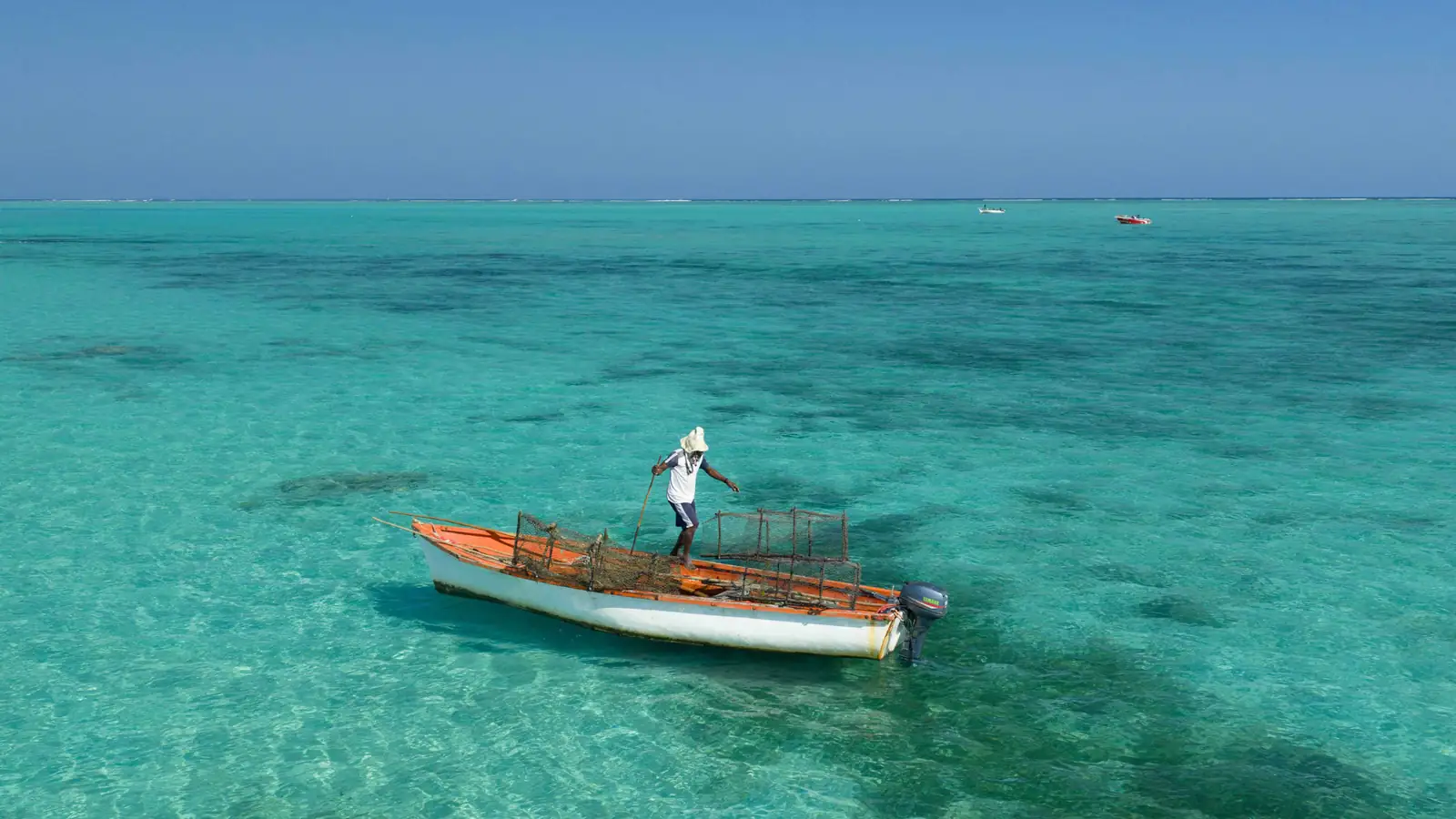
Lagoon kayaking — Often appealing to beginners and relaxed groups, but shelter varies by location and wind direction. Ask how far the route travels from shore and what happens if the lagoon becomes choppy.
Coastal kayaking — Better suited to paddlers comfortable with changing water and sustained effort. Exposure, landing points and the distance between sheltered areas deserve particular attention.
Dolphin-related kayaking — A nature-focused option for travellers comfortable with uncertainty. Choose it for the paddling and time on the water, not as a promise of close contact or a guaranteed sighting.
River kayaking: green scenery and a more enclosed route
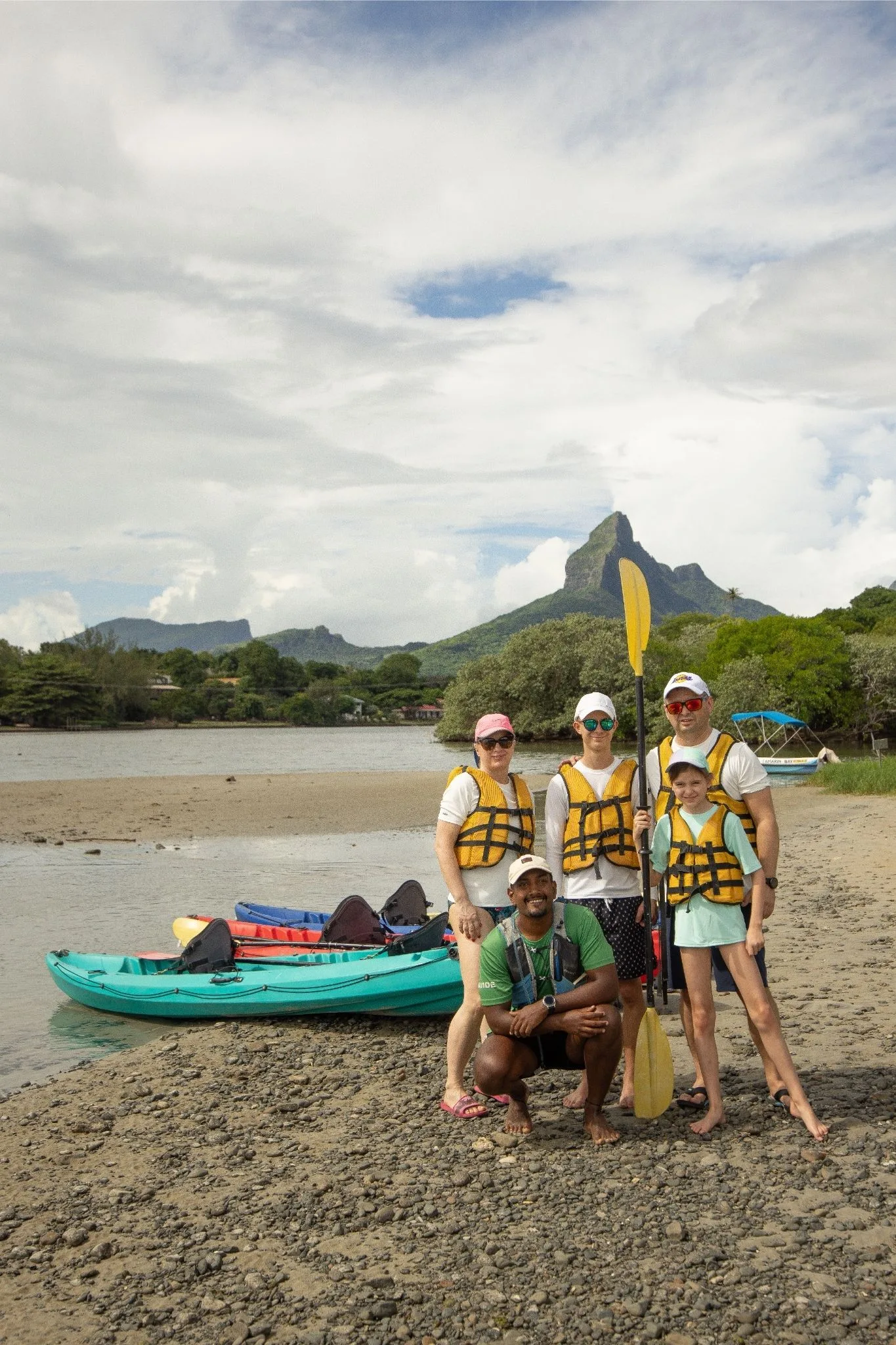
River kayaking can suit travellers who prefer an inland atmosphere to a broad sea view. Vegetation, riverbanks and bends in the waterway make the experience feel different from paddling across an open lagoon. The enclosed setting can also make it easier for a group to stay together, although that does not automatically make every route effortless.
Before booking, ask whether the route is one way or out and back, whether currents affect the return, and whether low branches, narrow sections or shallow areas are possible. First-time paddlers should also check how much instruction is provided before launching.
Tamarin River kayaking may work well for travellers staying in or exploring the west, especially when they want a nature activity that does not centre entirely on open-sea conditions. Check the current experience page for the meeting point, schedule, participant requirements and provider guidance.
Lagoon kayaking: coastal views with varying levels of shelter
A lagoon trip is often the first option considered by occasional paddlers. Being inside a reef or near the shoreline may provide more protection than an exposed coastal route, but “lagoon” should not be treated as another word for “flat water.” Wind, local exposure and boat traffic can all affect how the outing feels.
Ask the provider how exposed the planned route is, how far it goes from shore and whether beginners paddle in single or double kayaks. A double kayak can help some couples or families share the effort, but it still requires communication. Two people paddling to different rhythms is an excellent way to discover just how long a kayak can feel.
Lagoon kayaking can fit well into a coastal day when the meeting point is near your accommodation or another planned stop. Leave enough time around the activity rather than assuming that the advertised paddling period represents the entire outing.
Coastal kayaking: more exposure and a stronger sense of journey
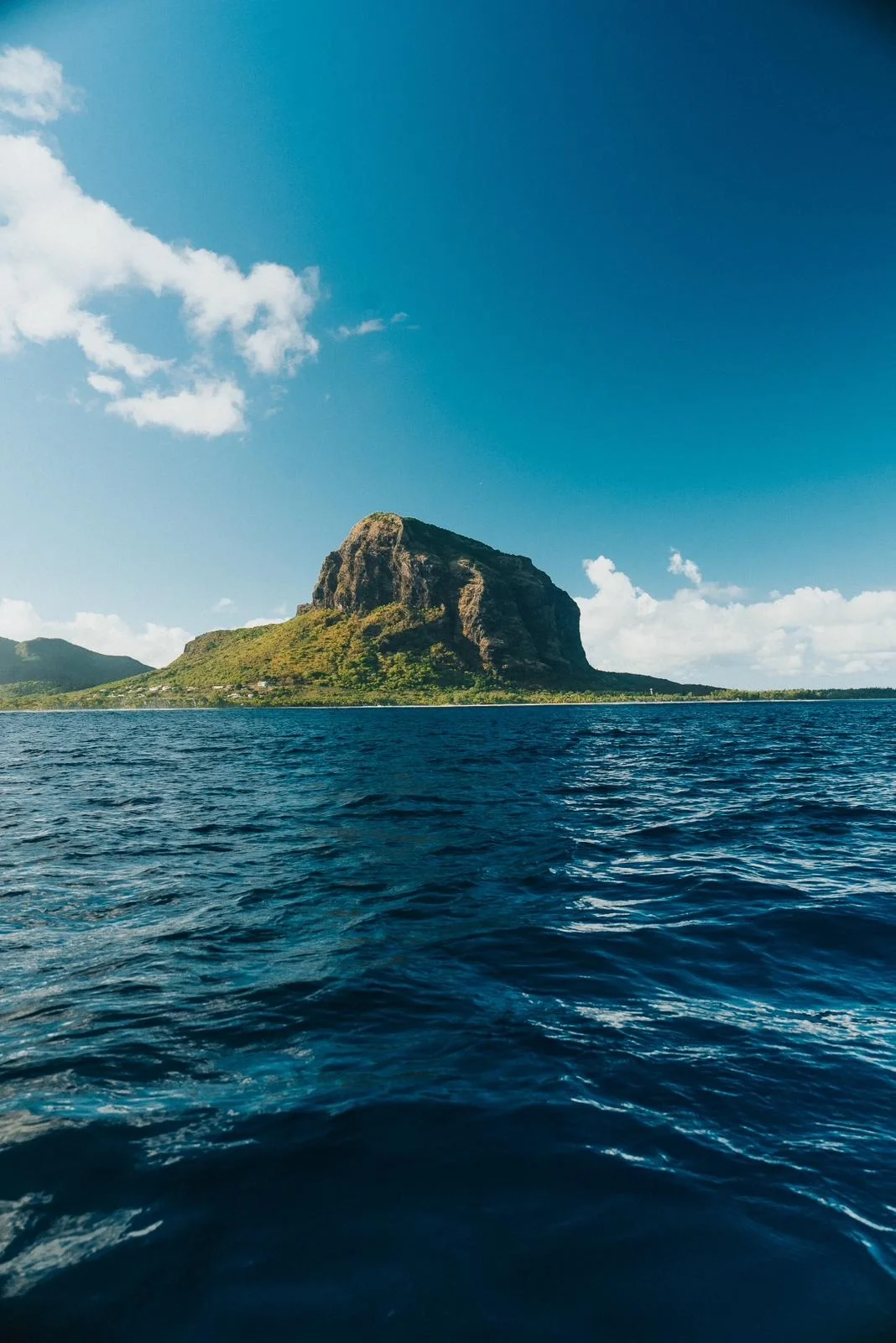
Coastal kayaking generally appeals to travellers who want the paddle itself to be a meaningful part of the experience. Following a shoreline can provide changing views and a satisfying sense of progress, but it may also involve more exposure than a river or protected lagoon.
This is where honest self-assessment helps. Consider whether you are comfortable paddling continuously, responding to instructions on open water and getting back into position if the group becomes spread out. Ask about the planned distance, rest opportunities, landing points and guide-to-participant arrangement.
If anyone in your group is unsure around waves or deep water, tell the provider before booking. The useful question is not simply “Can beginners join?” but “What conditions and paddling skills does this particular route require?”
Kayaking with dolphins: choose the outing, not a promised sighting
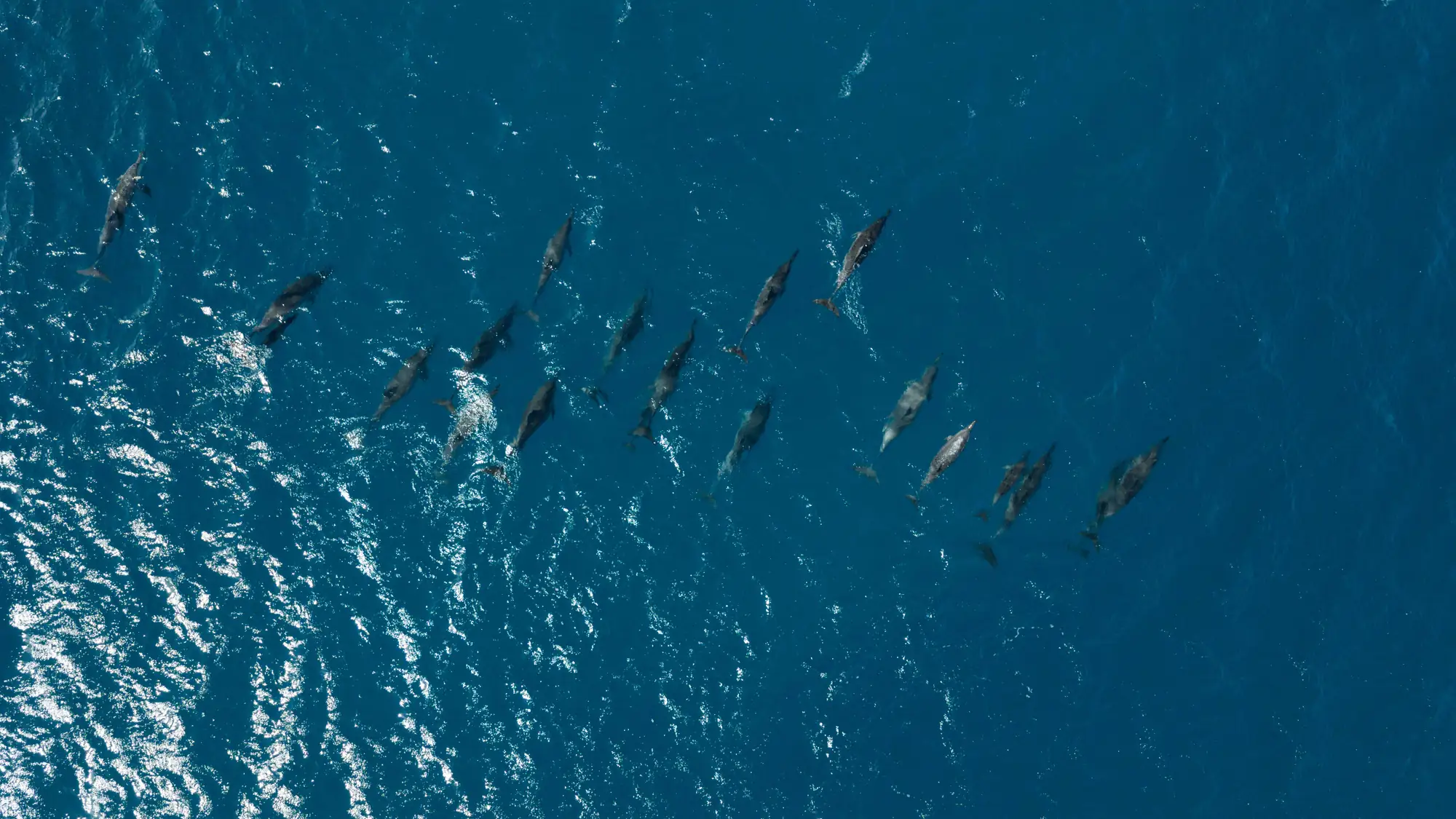
Kayaking with dolphins in Mauritius needs a different mindset from a standard scenic paddle. Dolphins are wild animals, so their location, behaviour and presence are outside an operator’s control. A responsible experience should remain worthwhile as time on the water even if no dolphins appear.
Ask how the provider responds when dolphins are present, how much distance kayakers maintain, whether the group avoids blocking the animals’ direction of travel and what happens when other boats arrive. Be cautious about language suggesting guaranteed proximity, touching, chasing or a fixed encounter.
You should also assess the kayaking rather than focusing only on wildlife. Confirm the likely time on open water, the expected effort, the type of kayak used and whether previous paddling experience is recommended. If wildlife is your only reason for joining, the natural uncertainty may make another experience a better fit.
Which kayaking experience fits you?
Choose a river route if you prefer green scenery, a more enclosed environment and an experience focused on the waterway itself.
Consider a lagoon route if you want coastal views and are looking for a potentially more protected setting, while remaining prepared for wind and changing water.
Look at coastal kayaking if sustained paddling is part of the appeal and you are comfortable discussing exposure, route distance and sea conditions honestly.
Choose a dolphin-related outing if you value responsible wildlife observation and can enjoy the paddle without expecting a sighting. If a guaranteed wildlife photograph is the main goal, wild dolphins have not agreed to that itinerary.
For mixed-ability groups, begin with the least confident participant. A route is only a good group choice when everyone can handle the likely effort and setting. Families should confirm minimum ages, kayak arrangements, swimming expectations and whether the provider considers the route appropriate for each child.
What to compare before booking
Ask about the route: Where does it start and finish? Is it sheltered, enclosed or exposed? How far does it travel from shore? Is the return affected by wind or current?
Ask about effort: How much active paddling is expected? Are breaks planned? Are single and double kayaks available? Does the provider recommend previous experience?
Ask about participation requirements: What swimming confidence is expected? Are there age, health or mobility requirements? What should you tell the provider before the activity?
Ask about equipment and guidance: What safety equipment is supplied? Is there a briefing before launch? What clothing, footwear, sun protection and water should you bring?
Ask about changing conditions: Who decides whether the trip proceeds? Can the route, timing or format change? What is the applicable rescheduling or cancellation policy?
For wildlife-related outings, also ask how animals are approached, what distance is maintained and how the group behaves if dolphins are absent or surrounded by other vessels.
How kayaking fits into your Mauritius itinerary
Start with geography. A well-chosen kayaking experience near your accommodation or another planned stop can reduce unnecessary driving. A route on the opposite side of the island may still be worthwhile, but it should be treated as a proper outing rather than squeezed between unrelated plans.
Keep the rest of the day flexible, particularly when the activity depends on water conditions. One main experience and one simple nearby stop usually create a more comfortable day than a chain of tightly timed bookings.
Think about group energy too. A gentle paddle may pair comfortably with an easy afternoon, while a longer coastal outing may deserve more recovery time. If you are also planning hiking, canyoning or other active days, spread the demanding experiences across the trip.
Current Andeor kayaking options
Andeor currently lists a Tamarin River kayaking option and a dolphin-related kayaking experience. Use the live experience pages to compare the latest provider information, participant requirements, meeting arrangements and booking details.
These two options suit different priorities. Start with the Tamarin River experience if the river setting is the main attraction. Consider the dolphin-related option if you are comfortable with open-water paddling and realistic wildlife expectations.
Andeor Editions
Find the right experience
Explore live Andeor marketplace experiences and choose the kayaking day that fits your confidence, group and Mauritius itinerary.