Mauritius Culture Through Port Louis
Discover Port Louis through its harbour, Aapravasi Ghat, slavery museum, Central Market, Jummah Mosque, Chinatown, street food and an unexpected Baudelaire chapter.

Discover Port Louis through its harbour, Aapravasi Ghat, slavery museum, Central Market, Jummah Mosque, Chinatown, street food and an unexpected Baudelaire chapter.
Good to know
Yes. Port Louis brings several major histories and living communities into a compact area. The harbour, Aapravasi Ghat, the Intercontinental Slavery Museum, the Central Market, Jummah Mosque, Chinatown and street food can be connected meaningfully in one guided walk.
Aapravasi Ghat interprets the indenture system that expanded from 1834, while the Intercontinental Slavery Museum addresses slavery, forced movement, resistance and their legacies. They are related to the wider making of Mauritius, but they are not the same history.
The Andeor tour currently includes selected tastings such as dholl puri, sugarcane, tea with local snacks, and Sino-Mauritian food. Exact stops can change with opening hours and availability, so review the live tour page before booking.
Choose comfortable walking shoes and light clothing, then carry something that covers shoulders and knees for mosque or pagoda visits. Sun protection and water are also useful.
Not as a complete book. Baudelaire stayed in Mauritius in 1841 and wrote the poem later titled “À une dame créole,” which was included in Les Fleurs du mal when the collection appeared in 1857. The Mauritian and wider Mascarene voyage also left traces in his later poetic imagery.
Port Louis makes Mauritius legible in a way a resort cannot. Within a compact walk, the harbour, a former immigration depot, a former military hospital, the market, places of worship, Chinatown and food stalls reveal how African, Asian, European and Indian Ocean histories still meet in the capital. The city deserves more than a quick shopping stop.
For travellers comparing cultural tours in Mauritius, Port Louis is the strongest place to begin. Its heritage is not sealed behind one museum door. It is visible in stone walls, family businesses, languages, recipes and the route people take through the city each day.
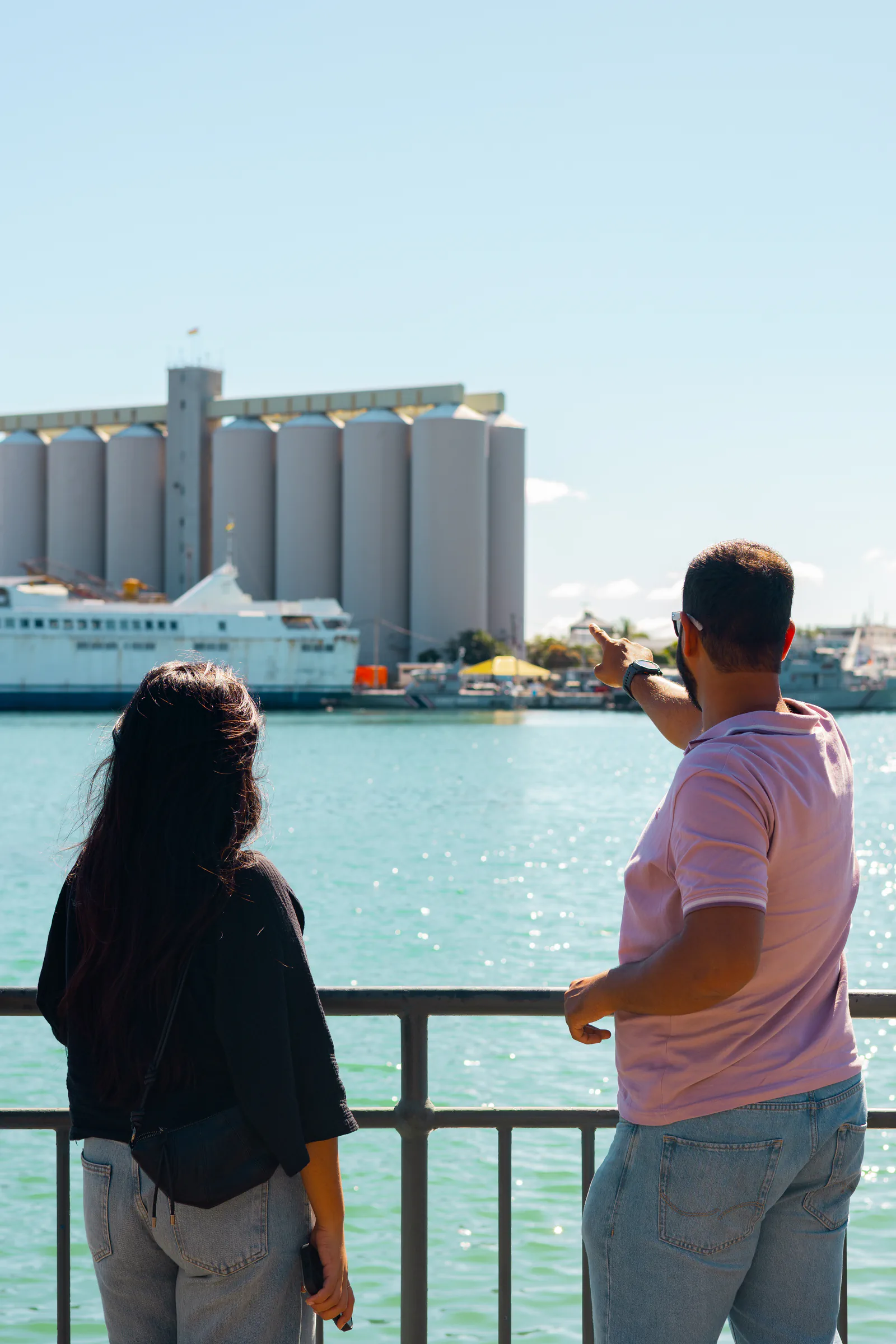
Port Louis grew around a sheltered harbour that connected Mauritius to commercial and imperial routes across the Indian Ocean. Ships brought administrators, soldiers, merchants, enslaved people, indentured workers, travellers and ideas. The waterfront therefore provides more than a view. It gives the rest of the city a geographical logic.
Stand near the water and the distances become easier to imagine. Réunion lies to the southwest, Madagascar farther west, India to the north and Europe far beyond the Suez route that would transform shipping later in the nineteenth century. Port Louis was shaped by all of them, but it developed its own Mauritian character.
Charles Baudelaire reached Port Louis in September 1841 after his ship made a forced stop during a voyage imposed by his family. He was twenty years old. In Mauritius he met the Autard de Bragard family and wrote a poem for Emmelina Autard de Bragard. It was first titled “À une créole” and later became “À une dame créole” when it appeared in Les Fleurs du mal.
The chronology matters. Baudelaire did not write the whole of Les Fleurs du mal in Port Louis. The collection was published in 1857, sixteen years after the voyage. It is more accurate to say that Mauritius entered his poetic imagination. The Bibliothèque nationale de France records his Mauritian stay and the poem, while its Baudelaire chronology connects the wider Mascarene voyage to imagery that returned in later work.
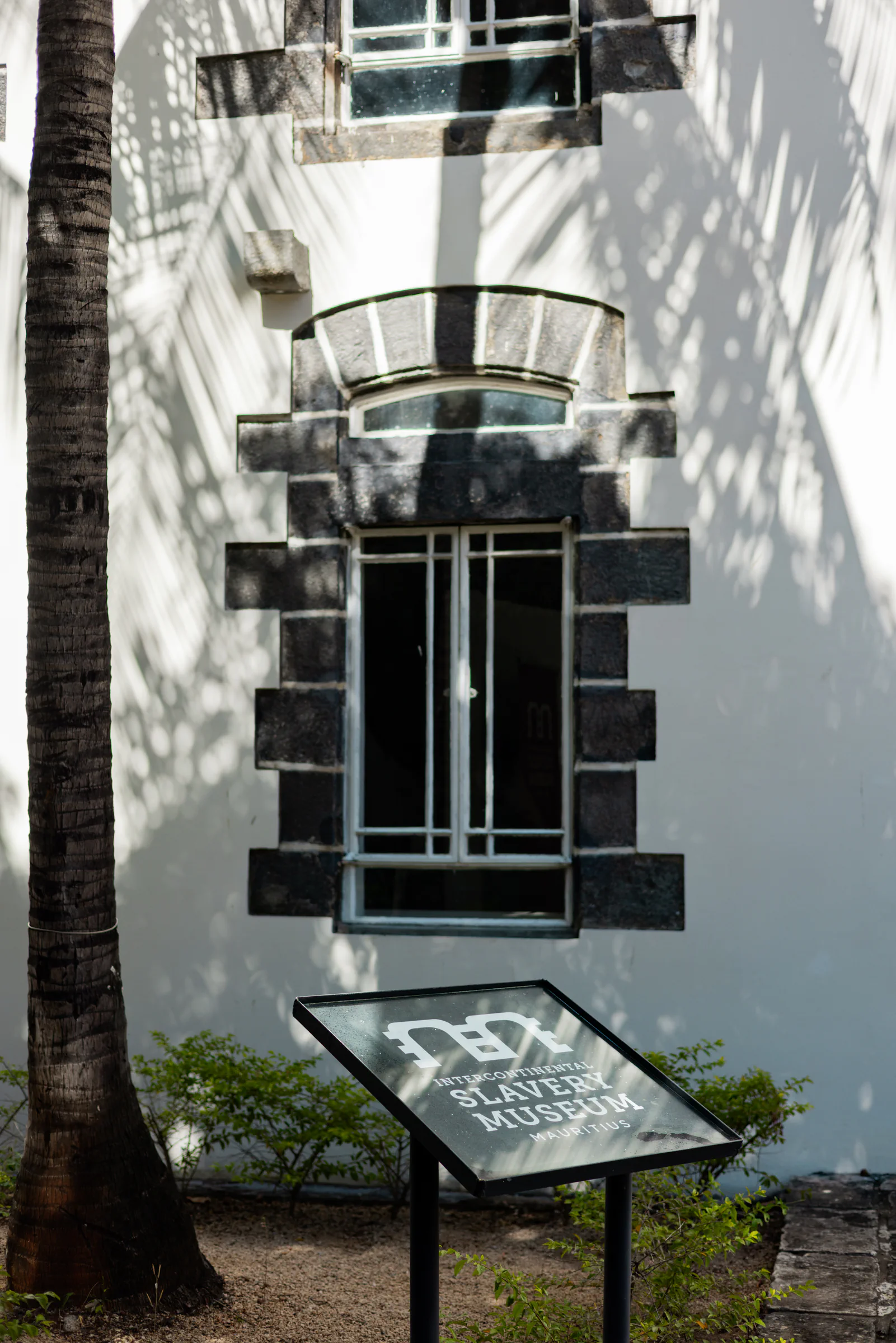
Aapravasi Ghat and the Intercontinental Slavery Museum are close to the harbour, but they do not tell the same story. One interprets the indenture system that expanded after abolition. The other confronts slavery and its long aftermath. A responsible cultural tour keeps those histories distinct while explaining how both shaped modern Mauritius.
The museum occupies the former military hospital, one of the oldest surviving buildings in Port Louis. Its own historical account states that the hospital was built between 1736 and 1740 by a workforce that included enslaved people brought from parts of Africa, craftspeople from India and French workers. The building itself is therefore evidence, not simply a container for an exhibition. Read the museum’s background on the former military hospital before visiting.
The subject requires time and care. Displays address forced movement, labour, resistance and the lives that colonial records often reduced to inventories. This is not a stop to rush through for a photograph. It is a place to notice whose voices were preserved, whose were filtered through official documents and how the museum is trying to restore individual presence.
Aapravasi Ghat marks another decisive chapter. UNESCO identifies it as the first site chosen by the British government in 1834 for what it called the “great experiment” in the use of indentured labour after the abolition of slavery. Almost half a million indentured workers arrived from India through this depot between 1834 and 1920. Many remained in Mauritius, and their descendants transformed the island’s social, political, agricultural and religious life. The UNESCO World Heritage Centre gives the official account.
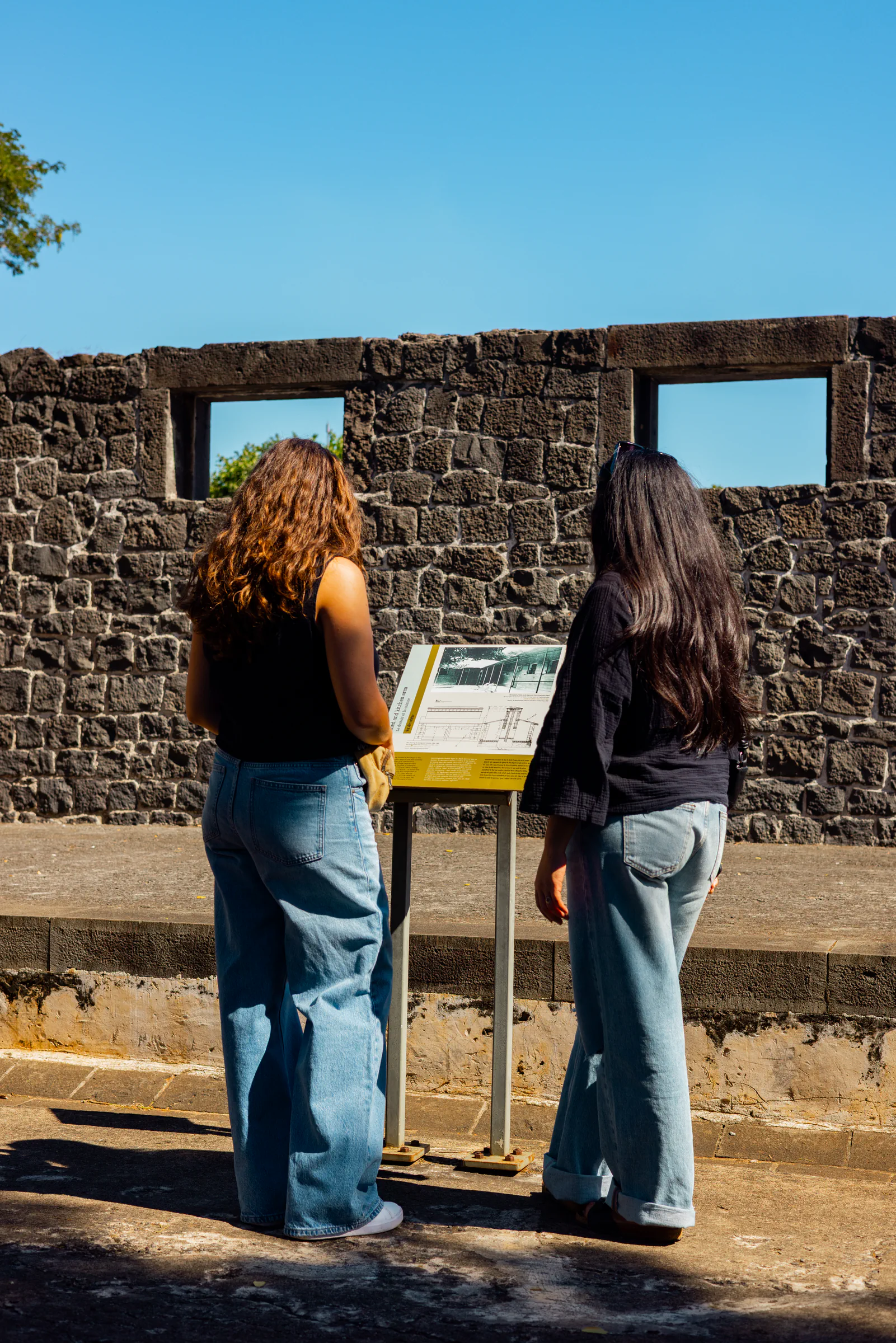
The surviving basalt steps and walls can look modest beside the scale of the history. A guide helps connect the physical remains to the medical checks, registration, temporary accommodation and onward journeys that structured arrival. It also helps prevent a common mistake, which is to collapse slavery and indenture into one interchangeable narrative.
The Central Market changes the rhythm of the walk. Produce sellers, spice counters, textiles, herbal preparations and food stalls place daily commerce at the centre of the story. The market is useful because it shows culture in motion. Ingredients cross community boundaries, customers change languages within a single exchange and recipes adapt without losing their family associations.
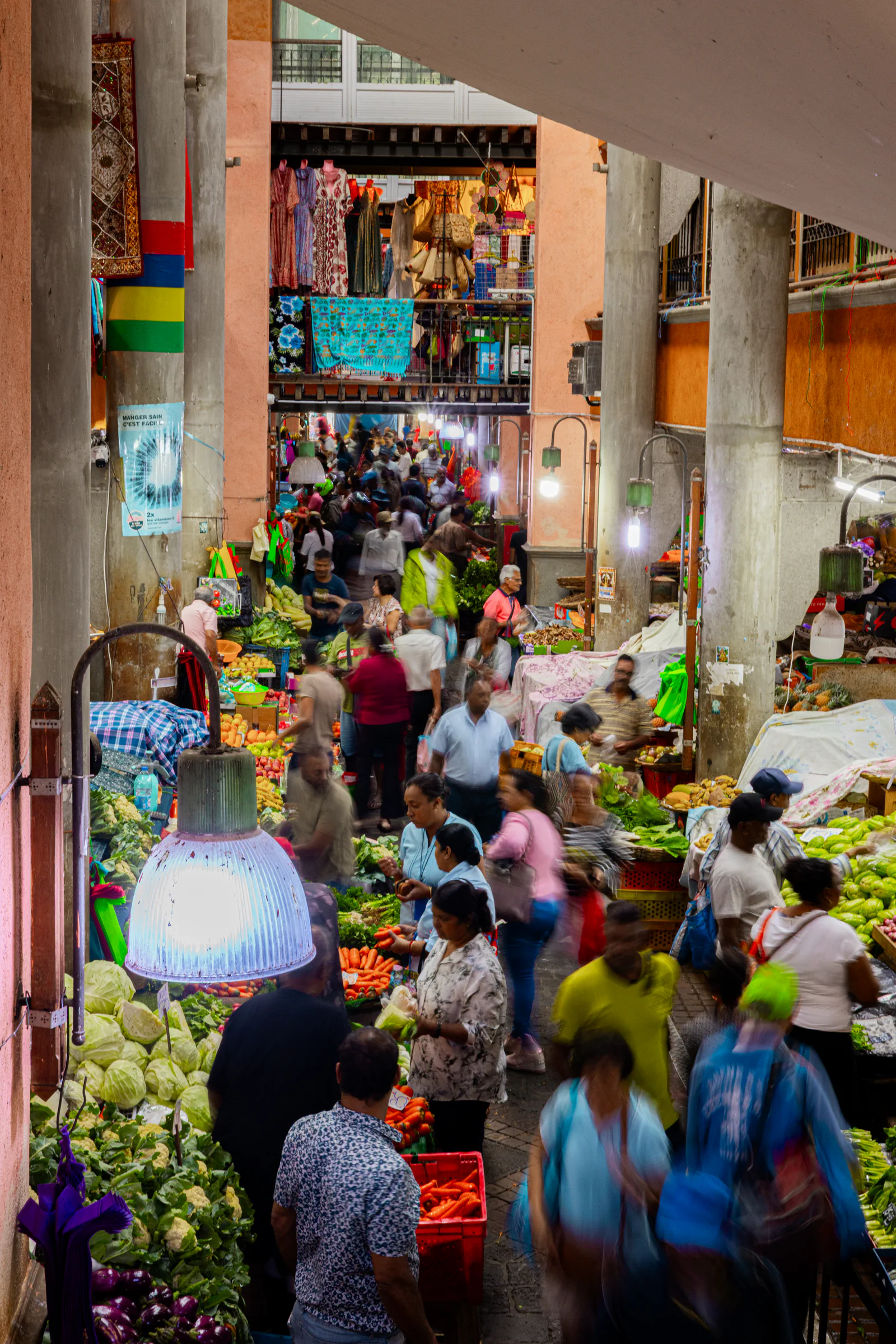
Look beyond souvenir rows. Lentils, dried chillies, vanilla, spice mixtures, fruit and fresh herbs give clues to what Mauritian kitchens actually use. The point is not to assign every ingredient to one community. Mauritian food is full of borrowing, adaptation and shared habits. Ask what an ingredient is called, how it is prepared and whether the answer changes between homes.
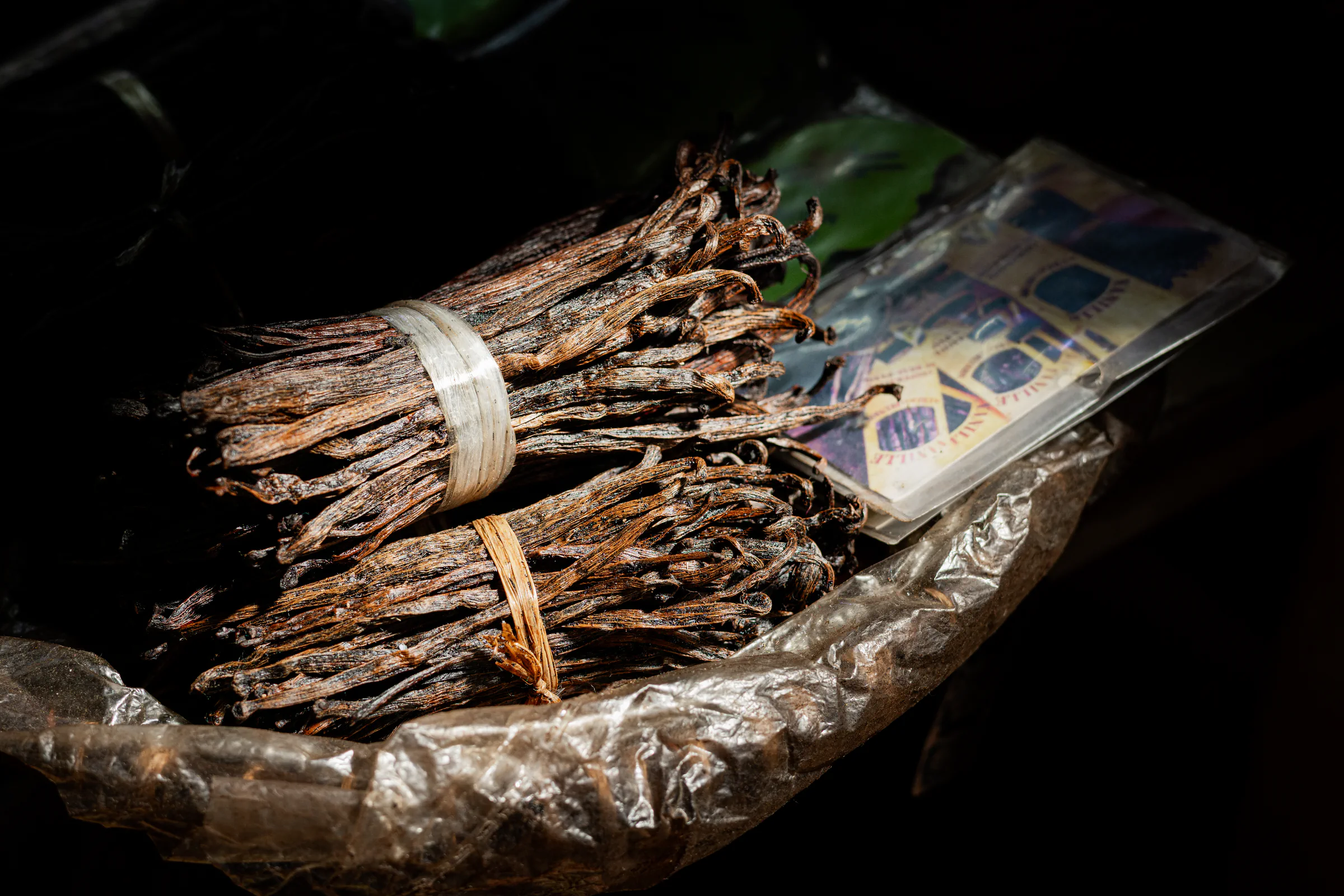
On a short walk, signs, newspapers and conversation move between Mauritian Creole, French and English, with other community languages also present. That mixture is not a performance prepared for visitors. It is part of how the city works. Listen to which language opens a conversation, which one explains a product and which one appears in an official notice.
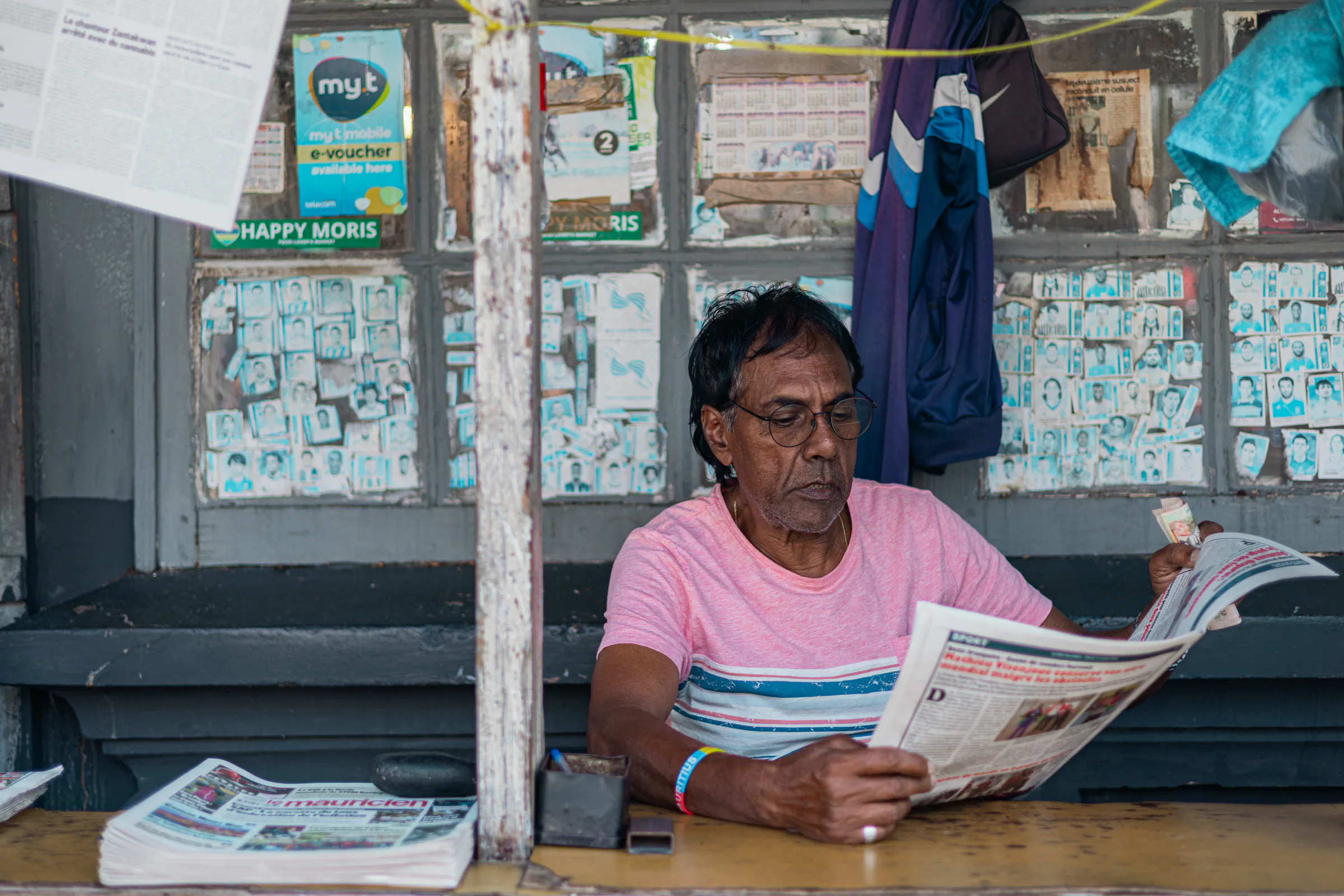
Port Louis places mosques, churches, temples and pagodas close to commercial streets. The Jummah Mosque is one of the clearest examples. Its origins date to the 1850s, and later expansions created the larger complex seen today. The building sits within the movement of the city rather than apart from it. Worshippers, shopkeepers, residents and visitors share the surrounding streets.
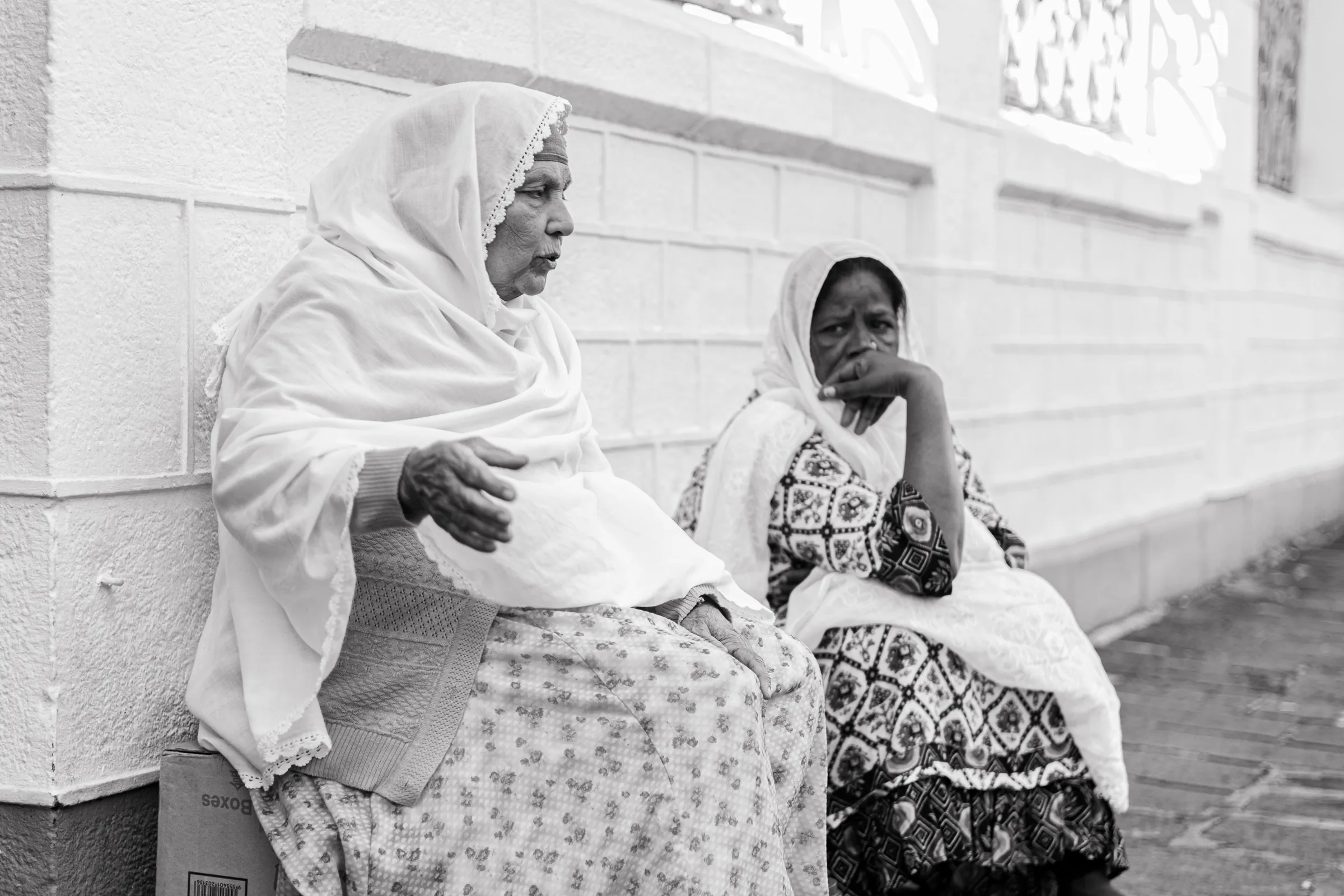
Dress respectfully when entering an active place of worship. Shoulders and knees should be covered, and access can change during prayers or religious events. A guide should explain the etiquette before arrival and should never promise entry when a community space is in use.
The Chinatown gate is an obvious landmark, but the deeper story is in the surrounding businesses, associations, food traditions and family histories. Chinese migration to Mauritius developed through several waves and regions of origin. Port Louis became the island’s principal centre for shops, trade networks and community institutions linked to that history.
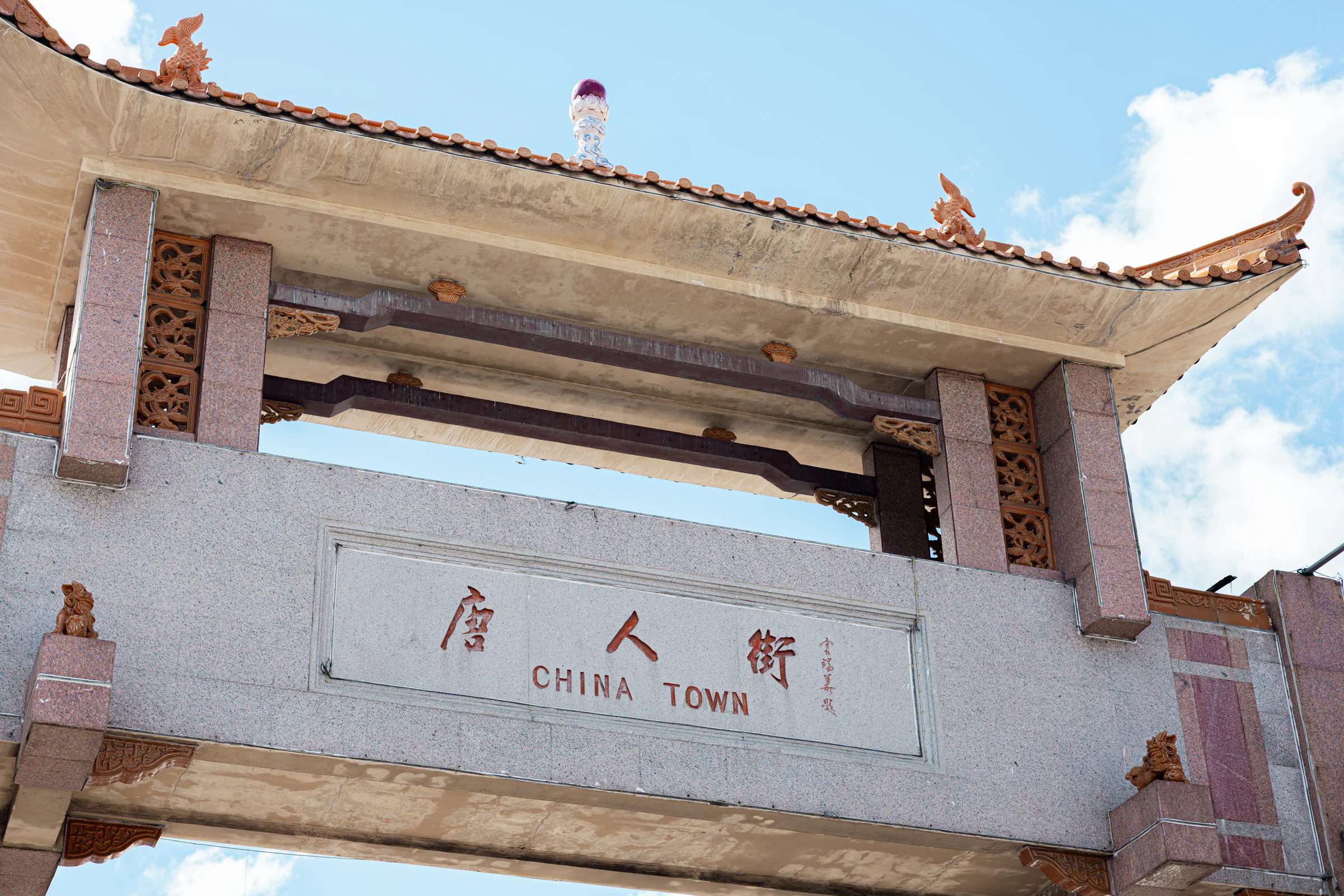
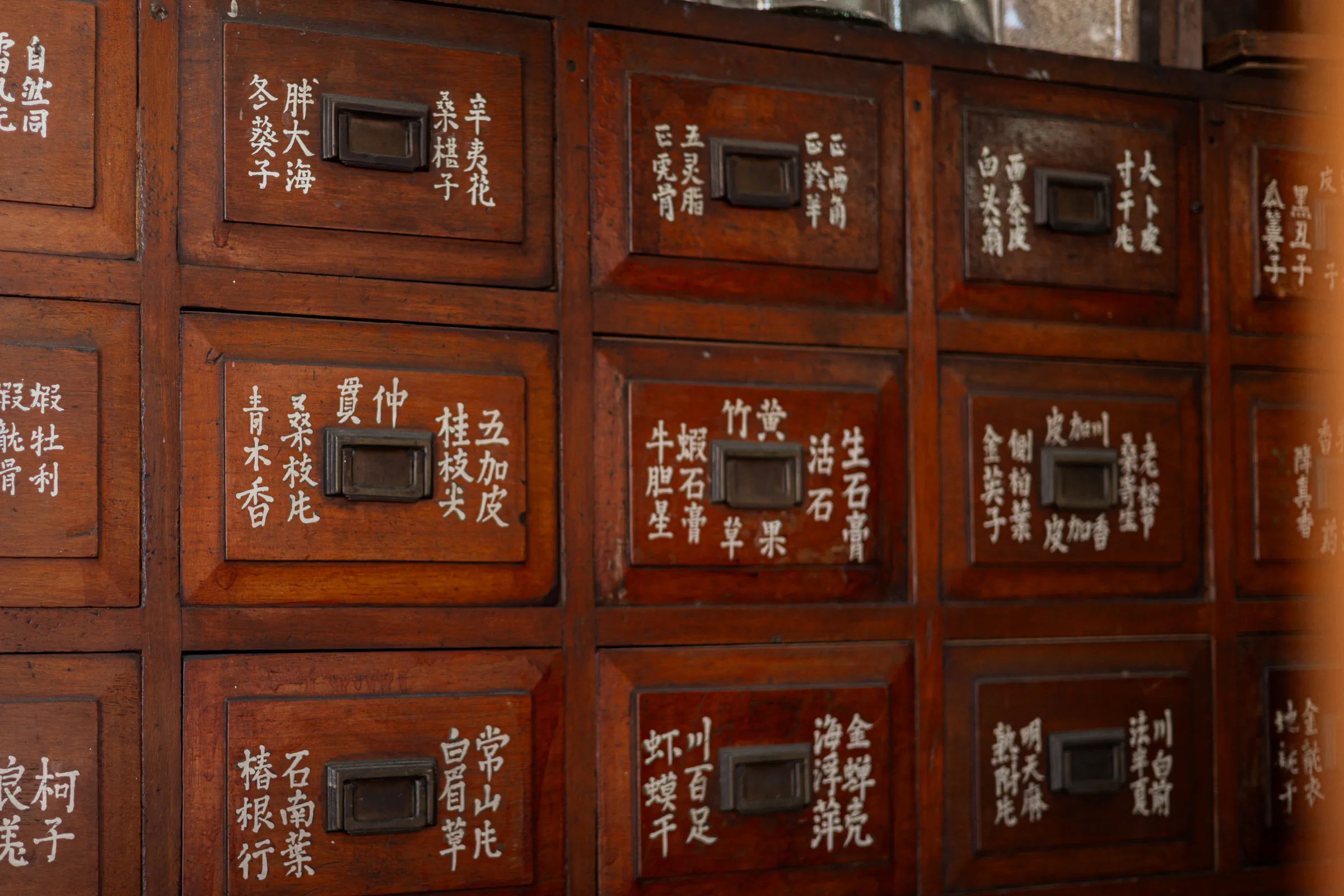
Traditional medicine drawers, tea shops, bakeries and restaurants show different parts of that inheritance. They should not be treated as a frozen display of “old China.” These are Mauritian businesses that have changed with customers, regulation, ingredients and family succession. Ask before photographing inside a shop, particularly where people, prescriptions or religious objects may be visible.
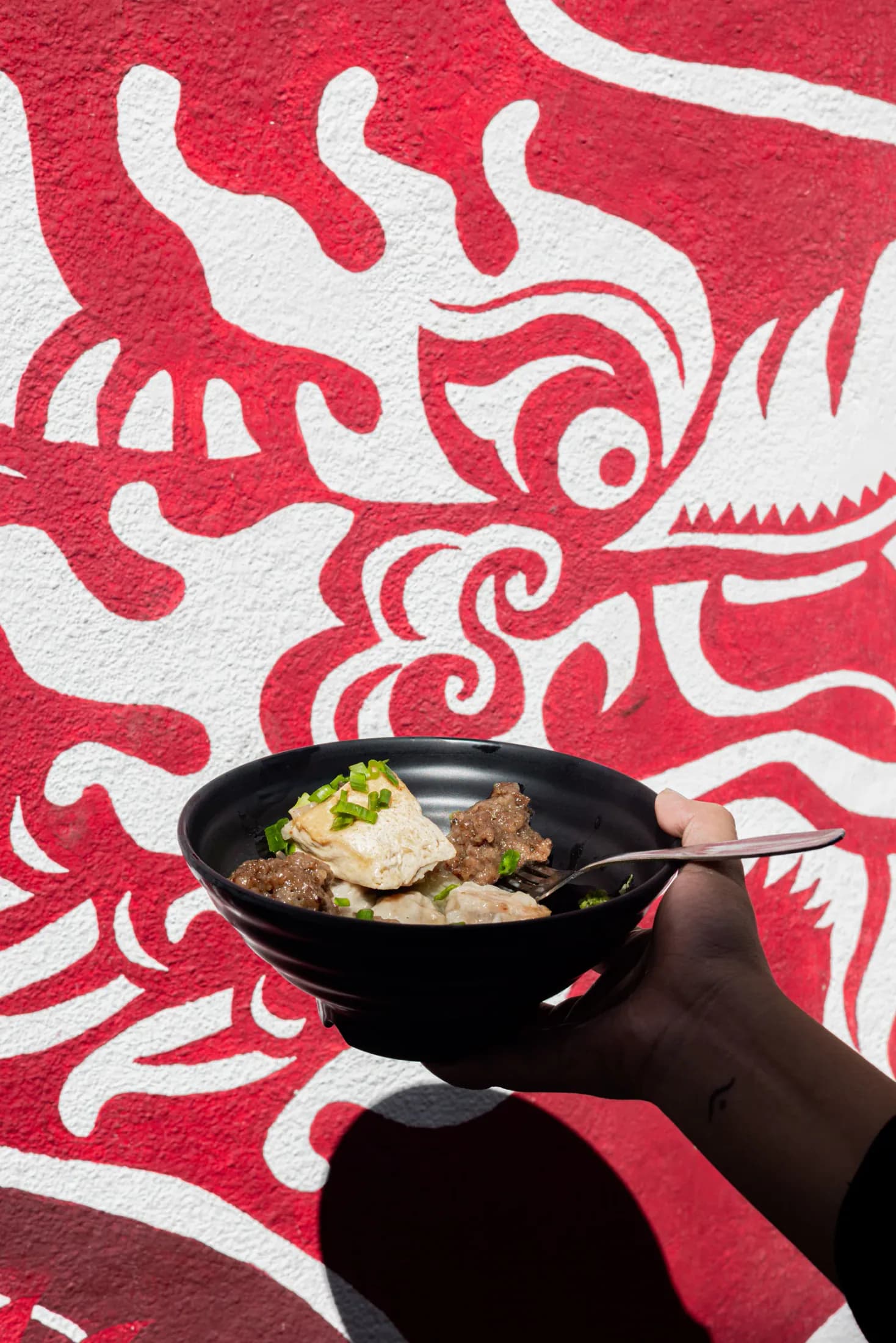
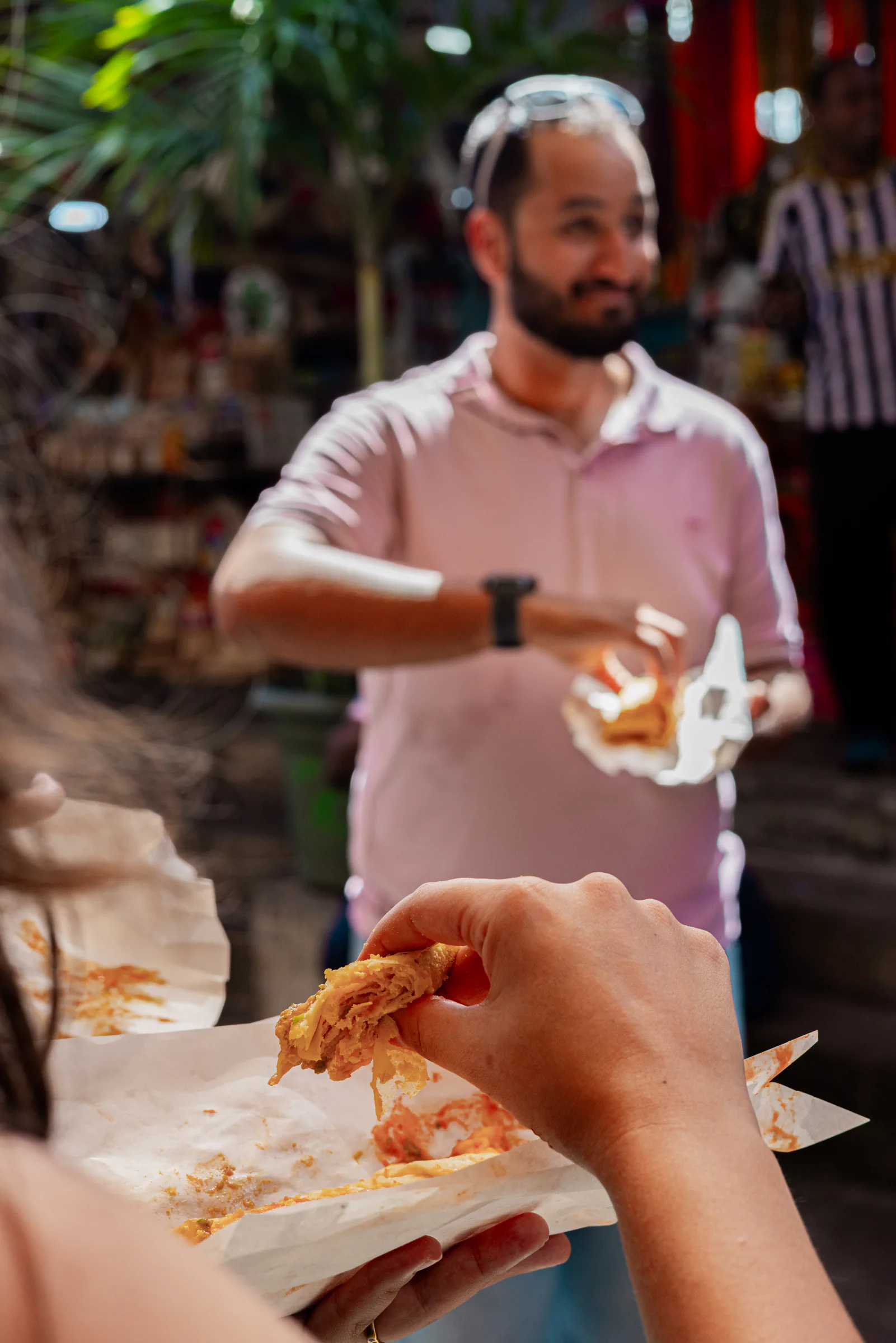
Port Louis street food turns migration history into something immediate. Dholl puri brings a thin split-pea flatbread together with curries, pickles and chutneys. Sino-Mauritian boulettes, cakes and sweets carry a different set of techniques and associations. Alouda, fresh fruit, chilli, tamarind and sugarcane appear elsewhere in the market’s taste vocabulary.
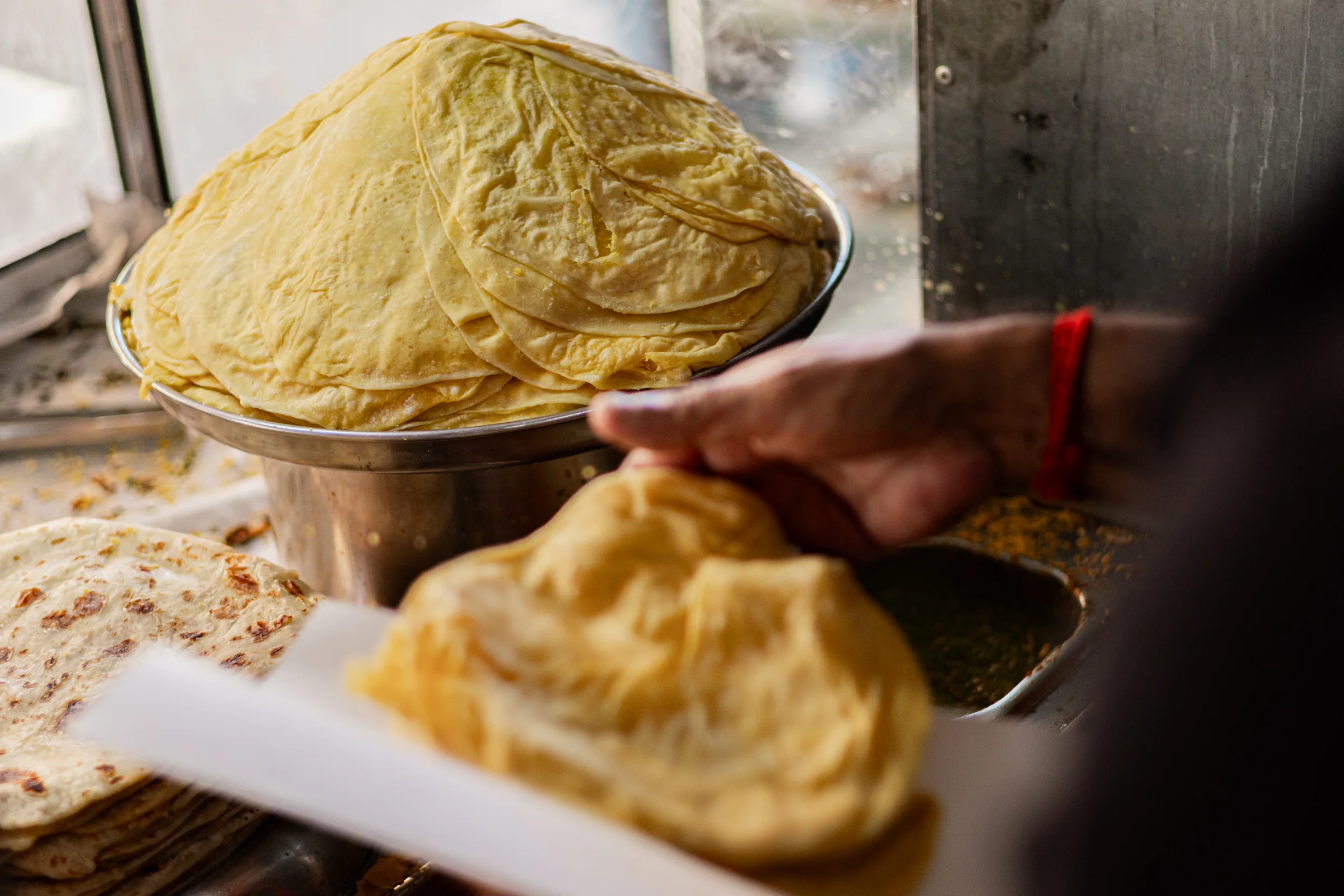
A useful food walk explains the dish before declaring it authentic. Who makes it, what accompanies it, how it is eaten and why a particular stall matters are more revealing questions. Specific tastings can change with opening hours and availability, so the current tour page remains the reliable source for what is included.
Wear comfortable shoes and carry sun protection because the route moves between exposed waterfront areas and dense streets. Bring modest clothing for religious sites and a small amount of Mauritian rupees for market purchases. Ask before photographing vendors or worshippers. Museum and place-of-worship access can change, so check current opening information close to the visit.
Mornings usually provide the clearest view of the market and food trade, while the harbour and historic sites benefit from a slower pace. Do not try to collect every landmark. A better visit follows a few connected stories and leaves room for conversation.
Port Louis is easy to walk through and easy to misunderstand. A local guide can distinguish slavery from indenture, connect a food to the people who prepare it, explain etiquette before a religious visit and show why an ordinary shopfront matters. That context is what transforms a walk across the capital into a cultural experience.
That is why we created the Port Louis Heritage and Street Food Walking Tour as an Andeor Editions Original. From 8:00 to 11:30, it brings the harbour, the Intercontinental Slavery Museum, Aapravasi Ghat, the Central Market, Jummah Mosque, Chinatown and Fort Adelaide into one connected morning. Dholl puri, sugarcane juice, tea, local snacks, Sino-Mauritian boulettes and traditional cakes make the city’s many influences something you can taste as well as understand.

Andeor Editions
Our original 3½-hour culture and street food walk turns the city into one connected story. Start and finish at Caudan, share the foods that keep Port Louis moving and see why the capital is best discovered with someone who knows how its layers fit together.
Book the cultural tourKeep reading