
Watching the Birds of Mauritius Without Expecting a Guaranteed Sighting
A simple guide to discovering the birds of Mauritius, understanding their different habitats and preparing for a respectful birdwatching experience without disturbing wildlife or expecting a guaranteed sighting.
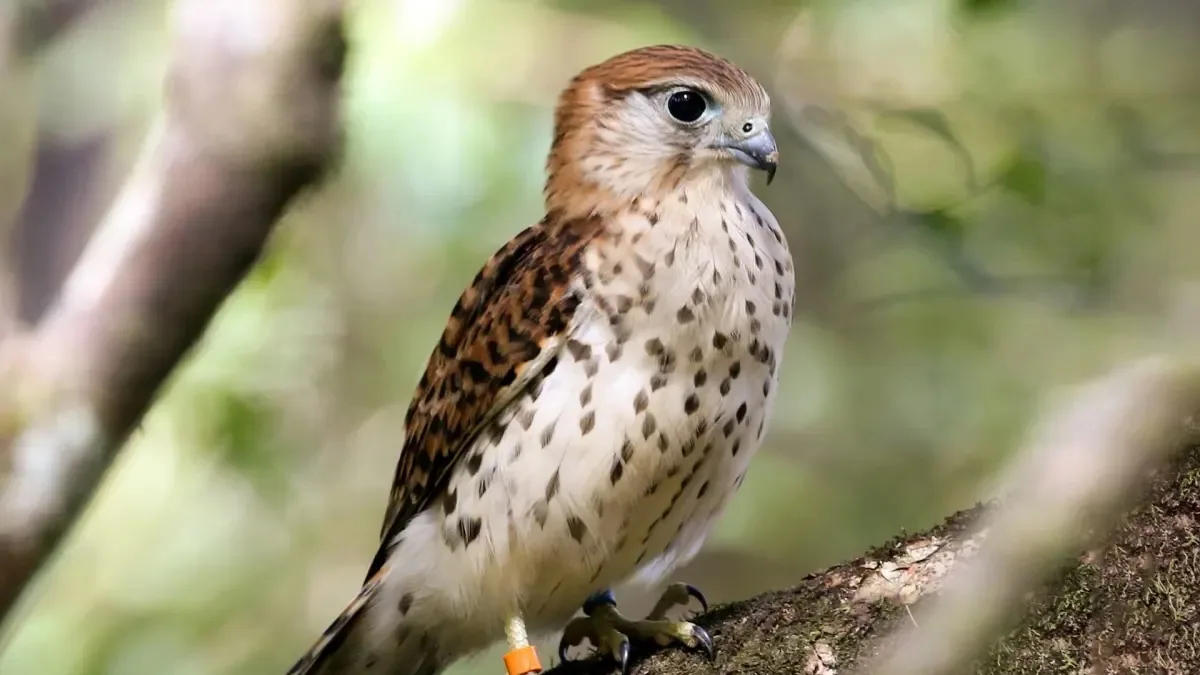
The dodo holds a special place in the Mauritian imagination, but it does not tell the whole story of the island's natural world. Wild birds still live in forests, wetlands, along the coast and even in some inhabited areas. Watching them is less about ticking species off a list and more about patience, discretion and curiosity.
This guide is for curious travellers who want to better understand local biodiversity. It also connects birdwatching with the geology of the landscapes, Mauritian culture and the history of conservation. Whichever habitat you choose to explore, the principle remains the same: keep a respectful distance from wildlife and accept that birds never appear on demand.
Essential facts about the birds of Mauritius
Three terms frequently arise. An endemic species occurs naturally within a limited geographical area. A native species occurs naturally in Mauritius but may also live elsewhere. An introduced species was brought to the island through human activity, either intentionally or unintentionally. Understanding this distinction helps you better interpret what you see, without assuming that a bird is less interesting simply because it is not endemic.
Respectful birdwatching means seeking to understand a habitat rather than trying to capture a photograph at any cost.
The dodo tells a story of extinction, but not the whole story of Mauritian nature
The dodo is an extinct species that has become a symbol of Mauritius' natural history. Its presence in local culture serves as a reminder of the vulnerability of island species, but it should not overshadow the birds living on the island today. A nature outing can therefore be a simple way to connect the past, present-day biodiversity and conservation efforts.
A few endemic birds to know before your trip
Names you may encounter in wildlife guides include the Mauritius kestrel, pink pigeon, echo parakeet and Mauritius cuckoo-shrike. The National Parks and Conservation Service lists these birds as endemic to Mauritius. During your visit, ask your guide which species may reasonably be found in the habitat you are exploring, without turning that possibility into a promise.
Choosing between forest, wetland, coast and inhabited landscapes
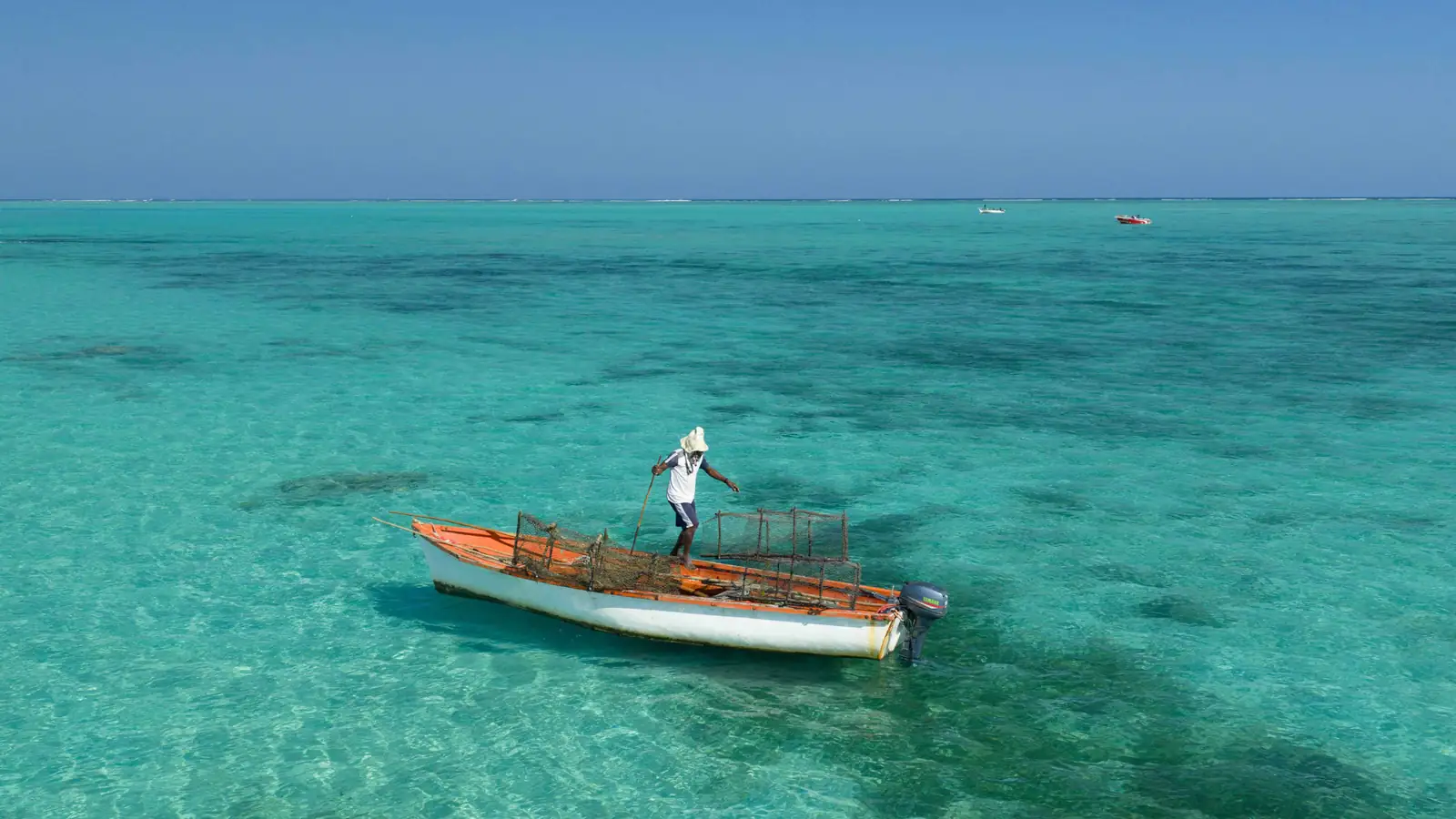
There is no single birdwatching location that suits everyone. Forests offer opportunities to discover species associated with trees and the understorey. Wetlands draw attention to birds that live in and around water. The coast offers a different perspective, encompassing the shoreline, lagoon and more exposed areas. Gardens and inhabited landscapes can also provide a gentle introduction, particularly for children or groups that prefer to walk less.
Mauritius’s terrain, soils and geological history have shaped a variety of landscapes. To choose the right experience, start with the area where you are staying, an acceptable travel time and your group’s walking ability. Exploring a nearby environment at a relaxed pace often offers more than a long journey across the island followed by a rushed visit.
When should you plan a birdwatching trip in Mauritius?
Avoid relying on a universal rule found online. Bird activity, site access and your group’s comfort can vary depending on the location, season and current conditions. Ask the organiser which time is best for the chosen environment and why. Also check the travel time, sun exposure, opportunities for breaks and what the plan is if conditions change.
How to observe birds without disturbing them
Stay on authorised paths and follow the instructions provided by the site or your guide. Keep your distance, speak quietly and avoid sudden movements. Do not chase a bird to get a better angle. Never touch a nest, egg or young animal. Do not feed wildlife or move any natural elements to improve a photograph.
Using recorded birdsong or calls can disrupt birds’ behaviour. Before using them, ask about the site’s rules and your guide’s approach. For photography, a suitable lens or binoculars will help you enjoy the scene without getting too close.
Choosing a nature activity for your group
With young children, choose a short activity with opportunities for breaks and easy access. For hikers, focus on the terrain, elevation gain, distance and actual walking pace. Amateur photographers should ask whether the group moves slowly and whether stops can be accommodated along the route. Anyone with reduced mobility should be able to obtain precise information about the ground surface, steps, slopes and distance from the starting point.
If your group has different expectations, choose an activity whose appeal does not depend solely on spotting a particular bird. Beautiful scenery, discovering the local flora, learning about conservation or simply enjoying a pleasant walk can still make the day worthwhile even when the wildlife remains out of sight.
Andeor Editions
Plan a child-friendly walk
Read our guide to compare terrain, duration, heat and pace before choosing a family hike.
Questions to ask before choosing an experience
Ask what type of environment you will visit, how far you will travel and what level of fitness is required. Check the group size, the language used for explanations, opportunities for breaks and the equipment you should bring. It is also helpful to ask how the guide avoids disturbing the birds, responds when a nest is present and adapts the route if conditions or access are unsuitable.
Finally, ask the most revealing question: what happens if none of the birds you hope to see appear? A responsible answer should present sightings as a possibility, never a certainty. It should also explain the other highlights of the outing and how the group will discover the environment.
Planning a well-balanced nature day
Make the nature activity the main focus of your half-day or full day. Add just one nearby, easy stop, then allow extra time for travel, breaks and changing conditions. If the birdwatching experience already includes a walk, avoid automatically following it with another demanding physical activity.
Andeor Editions
Choose a hike at your own pace
Compare trails in Mauritius by difficulty, the area where you are staying, terrain and available time.
Promises to be wary of before booking
Be cautious of any encounter advertised as certain, close proximity presented as normal, or a specific photograph promised in advance. Wildlife moves freely. Even in a suitable habitat, a species may remain hidden, silent or absent when you visit.
A well-presented experience will instead describe the habitat, the observation approach, the required fitness level and the guidelines followed. It clearly distinguishes between what is planned and what depends on the animals and the conditions that day. It may not sound as spectacular, but it is often more honest.
Andeor Editions
Find the right experience
Explore the experiences available on Andeor and compare the habitat, pace, required fitness level and approach to wildlife before choosing.


