Tamarind Falls Waterfall Hike: What to Know Before You Go
Planning a Tamarind Falls waterfall hike? Compare a scenic stop, guided hike and canyoning-style descent, then check current weather, route conditions, pace and group…
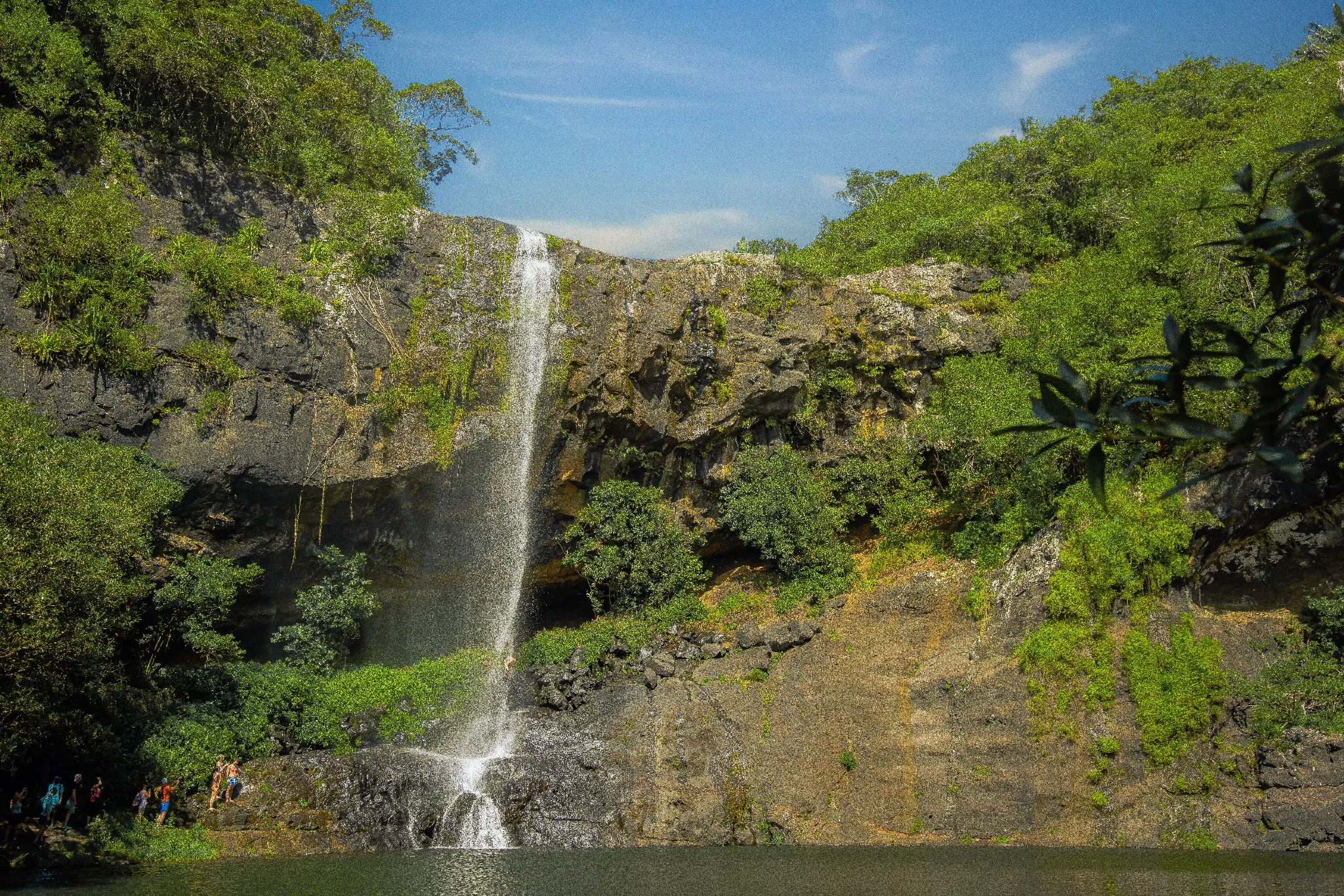

Planning a Tamarind Falls waterfall hike? Compare a scenic stop, guided hike and canyoning-style descent, then check current weather, route conditions, pace and group…
Good to know
There is no single beginner option that suits everyone. A scenic stop may involve less physical commitment, while a guided hike may suit first-time visitors who want route support. Ask about the exact walking time, terrain, pace, water exposure and heights. Consider canyoning separately because the planned descent may involve technical movement and specialist equipment.
Confirm the provider’s list first because the route and supplied equipment can vary. Ask about suitable footwear, drinking water, sun and rain protection, clothes that can get wet, spare clothing and a way to protect valuables. Do not assume technical equipment or transport is included unless the listing or provider confirms it.
Suitability depends on the specific route, current conditions and each child’s age and outdoor experience. Share those details with the provider and ask about minimum requirements, walking time, terrain, water exposure, heights and rest opportunities. Confirmation for one route does not apply to every Tamarind Falls outing.
Keep reading
Plan for the Tamarind Falls outing that is realistic now, not the one described in an old photo caption. This guide will help you make a simple decision: should you choose a scenic stop, a guided waterfall hike or a canyoning-style descent?
The answer depends on more than enthusiasm. Recent weather, the route being used, your fitness, confidence around water and heights, the ages in your group and the time available can all matter. Conditions may also change between the day you book and the morning you go, so current information from the operator is more useful than a fixed description of the site.
If you are hoping to visit soon, begin with the date rather than the activity name. Ask what route is currently planned, what recent weather has been like and when the operator will make the final condition check. A sensible answer may include some uncertainty. That is usually more helpful than pretending a waterfall setting behaves exactly the same every day.
Confirm the meeting point, expected duration, approximate walking time, terrain, group size and finish arrangements. If transport matters, ask whether it is included, available separately or your responsibility. Do not assume that every experience using the Tamarind Falls name starts or ends in the same place.
A Tamarind Falls outing can involve several planning questions, including waterfall hiking, guided outdoor activities, canyoning, family suitability and changing weather. Looking at these together helps you compare the actual shape of each outing instead of treating every waterfall visit as interchangeable.
Understanding the likely effort and recovery time also makes wider trip planning easier. You can decide whether to place the outing beside a quiet coastal day, another active experience or a flexible day that leaves room for changing conditions.
The phrase “visit Tamarind Falls” can describe very different plans. One traveller may want a short landscape stop. Another may expect several hours of guided walking near waterfalls. Someone else may be looking for a technical descent involving water and specialist equipment.
Before comparing listings, decide what you actually want from the day. Is the priority scenery, walking, physical challenge, time together as a family or a more technical activity? This one question quickly removes options that look attractive in photographs but do not suit your group.
Scenic viewpoint stop — Often a better fit for travellers prioritising landscape views and a shorter plan. It may require less physical effort than the other options, but you should confirm the exact access and walking requirements. Ask what can currently be reached and how much walking is involved. Guided waterfall hike — Suits travellers who want to explore on foot with route guidance. The effort depends on duration, elevation, pace and current terrain. Ask about crossings, exposed sections, proximity to water and the route planned for your group. Canyoning-style descent — Intended for active travellers deliberately seeking a more technical outing. Depending on the route, it may involve sustained movement, water, heights and specialist techniques. Ask what movements, equipment and prior experience the particular descent requires.
These are planning categories rather than fixed products. The details of a guided hike or descent can vary, and a scenic stop should not be assumed to provide the same access or close-up experience as a longer route.
On Andeor, compare the three-hour half-day guided hike with the five-hour full-day guided hike. Use the live listing details and current conditions to choose by available time and expected effort, not by the shared destination name alone.
For a practical plan, contact the operator or check the latest listing information shortly before the outing. Ask about recent rain, the intended route, the expected pace and whether any decision will be confirmed on the day. If plans change, ask what alternatives or booking terms apply rather than assuming a replacement route or refund.
You should also confirm what to bring. Useful questions include whether your shoes need a particular level of grip, whether clothing is likely to get wet, how much drinking water is recommended and whether you need a dry bag, spare clothes or sun and rain protection. Check what the provider supplies instead of relying on a generic packing list.
Waterfall conditions are connected to recent weather, not only the forecast icon for your chosen morning. Rain can affect water levels, visibility underfoot, route choice and whether a planned section remains suitable. Heat and humidity can also influence how demanding a walking day feels for your group.
Avoid making your own access decision from a distant view or an old online post. Ask the operator how conditions are assessed, who makes the route decision and when you will receive an update. If the answer changes close to departure, use that as updated planning information rather than something to ignore.
Guided support can be useful when you do not know the route, want help judging the appropriate pace or are travelling with people who have different confidence levels. It may also make sense if the listing describes route choices that depend on current conditions.
A guide does not remove the need for honest self-assessment. Tell the provider about relevant mobility concerns, recent injuries, limited hiking experience, discomfort around heights or low confidence in moving water. Ask how the group is managed when participants walk at different speeds.
The right outing is not the most dramatic one. It is the one your whole group can understand, prepare for and genuinely wants to do.
Couples should compare expectations before booking. If one person wants a demanding descent and the other mainly wants scenery, a guided hike may be the more comfortable shared choice. Ask whether the pace can accommodate both people and whether there are sections involving water or heights that cannot simply be skipped.
Families need route-specific information. Share the children’s ages and outdoor experience, then ask about minimum requirements, walking duration, rest opportunities and the terrain expected at the time of the outing. A provider’s answer for one route should not be treated as approval for every Tamarind Falls experience.
Active travellers can compare the amount of continuous movement and technical challenge rather than relying on labels such as easy or adventurous. Cautious first-timers should ask for a plain description of the hardest section. If the explanation still feels unclear, choose a less involved option or keep looking.
A waterfall hike is mainly a walking experience, although the exact route may still include wet, muddy, steep or uneven ground. A canyoning-style descent can add technical movement, specialist equipment, closer contact with water and greater exposure to heights, depending on the experience.
Do not choose canyoning simply because it appears to offer a closer view. Choose it only if the activity itself appeals to you and the provider confirms that your fitness, water confidence and comfort with heights match the planned descent.
Andeor Editions
See how the two outing styles differ in pace, terrain, water confidence, heights and itinerary fit.
Andeor Editions
Learn what to ask about difficulty, equipment, weather and group requirements before considering a canyoning experience.
Ask which route is planned, how long the outing is expected to take and how much of that time involves walking or technical movement. Confirm the likely terrain, the pace, the maximum group size and any age, fitness, swimming or experience requirements.
Then cover the practical details: meeting point, transport, equipment, footwear, food, drinking water, changing facilities and what happens if conditions require a change. Finally, ask when you will receive the last update. Clear questions now are much easier than hurried decisions on the morning.
Andeor Editions
Browse Andeor marketplace listings, compare the practical details and contact the provider for the latest route conditions, date options and booking terms.