Kite Surfing in Mauritius: A Practical Guide Before You Book
Planning kite surfing in Mauritius? Use this practical guide to understand where to go, how lessons work, what safety questions to ask and how to plan around wind, ability and your island itinerary.
It depends on traveller comfort, pace and the type of day you want. Use the enquiry to explain who is travelling and how active the journey should feel.
What should I bring?
Share practical needs, comfort levels and any must-have details when enquiring so the team can shape advice around the real trip context.
Can An Deor help with transport?
Mention transport needs when requesting a plan. The team can then advise what is realistic for the itinerary instead of assuming one fixed transfer setup.
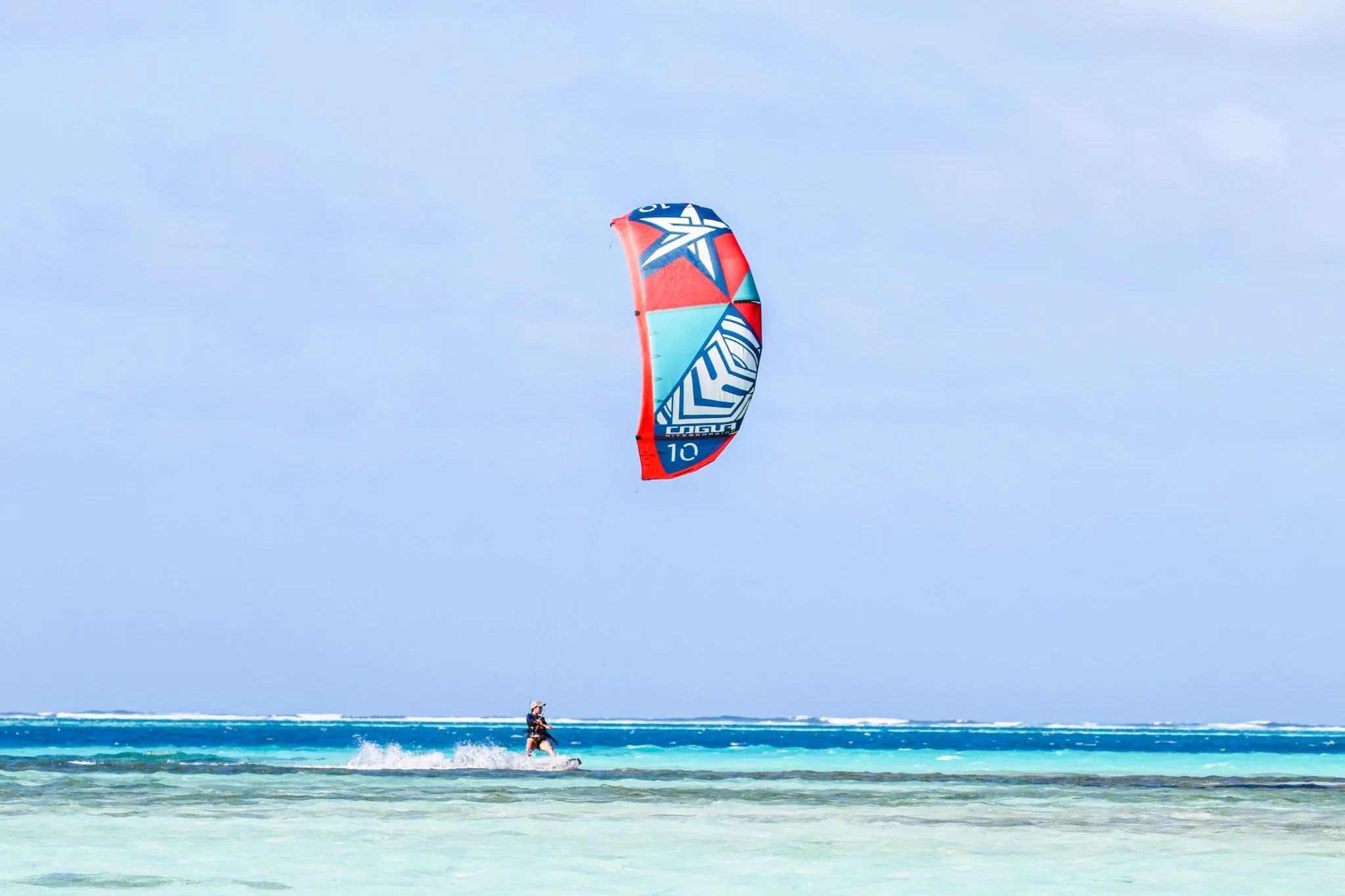
Kite surfing in Mauritius can make for an unforgettable day on the lagoon, but it’s worth choosing with care rather than booking on impulse between breakfast and a spa appointment. The wind, the spot and your experience level all make a difference. If you’re a beginner, the instructor and safety setup matter far more than the photo that first caught your eye online.
This guide is here to help you decide if kite surfing fits your Mauritius trip. It explains the main areas to think about, the difference between lessons and independent riding, the safety questions worth asking, and how to plan a windy activity without letting it take over your whole holiday.
Think of it as calm advice from a local friend: kite surfing can be fantastic, but the right choice is not always the flashiest one. It is the one that matches your ability, the conditions and the kind of day you actually want.
Is Mauritius a good place for kite surfing?
Mauritius is a great choice for kite surfing, with many coastal areas offering a mix of open water, lagoons and trade-wind conditions. For travellers, it’s an easy way to add an active day on the water to a beach-focused island stay, especially if you’re already based near the coast.
That said, it is not automatically easy. A lagoon can look calm from the beach while still being technical for a beginner. Reefs, tide levels, wind direction, other riders and launch space can all change the experience. This is why good local guidance is so useful, especially if it is your first time.
If you are comparing providers, look beyond the postcard setting. Ask how they assess the day’s conditions, where they teach beginners, what safety boat or rescue support is available, and whether the lesson plan changes if the wind is too light, too strong or unstable.
Who is kite surfing in Mauritius best for?
Kite surfing is best for travellers who enjoy active water sports and do not mind learning in stages. It suits patient beginners, sporty couples, groups of friends and returning riders who want to make use of windy days. It can also work for families with older children or teens, depending on the provider’s age rules, physical requirements and conditions on the day.
For complete beginners, the first session is usually about kite control, safety systems and body positioning rather than flying across the lagoon like a film scene. If you get up on the board quickly, lovely. If not, welcome to the very normal club of people who spent the first lesson learning how powerful the wind is.
If you are nervous in open water, uncomfortable with strong wind, recovering from an injury or travelling with very young children, another lagoon activity may be a better fit. There is no shame in choosing kayaking, a calm boat day or a coastal walk instead. Holidays are not exams.
Main kite-surfing areas to know
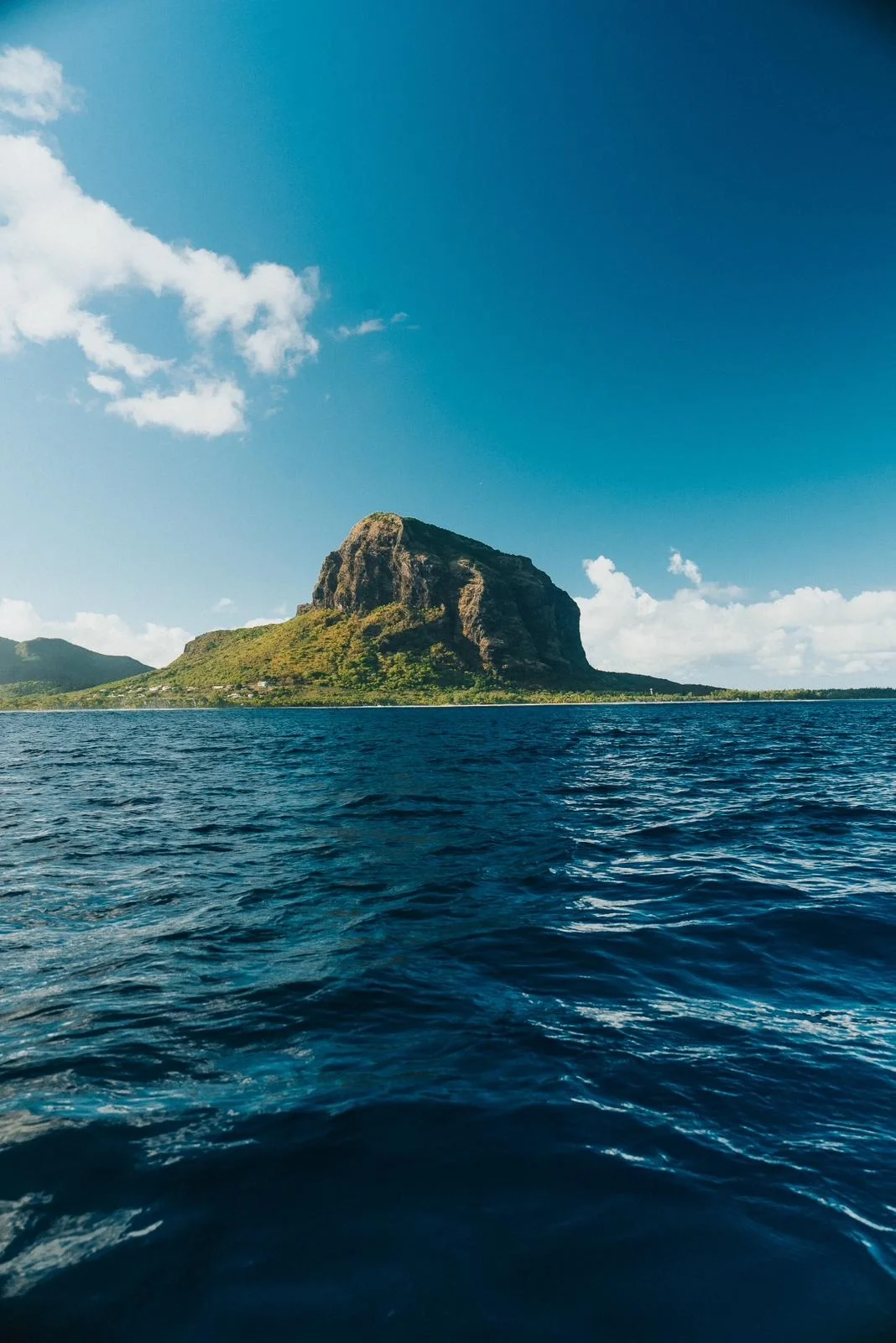
Le Morne is the area many travellers first hear about when researching kite surfing in Mauritius. It is often associated with lagoon riding and a dramatic mountain backdrop, so it naturally attracts both learners and experienced riders. If you are staying in the south-west or west, it is likely to come up in your planning.
The wider west coast can be convenient if you are based around that side of the island and want to avoid turning one activity into a full-day transfer. The north and the east may also be relevant depending on where you are staying, the provider you choose and the conditions during your travel dates.
The important point is this: do not choose only by distance from your hotel. A nearby beach is not automatically a suitable kite spot for your level. Ask where the provider normally teaches, how they decide if the spot is suitable that day, and whether they recommend a different location when wind or tide makes sense.
For kite surfing, the best spot is not just the prettiest one. It is the one where the wind, water, space and supervision match your level.
When is the best time to kite surf in Mauritius?
The best time depends on wind conditions during your travel dates, not only the month on the calendar. Mauritius can have more and less windy periods, but any specific session still depends on the day. A responsible provider should be honest if conditions are not right for your level.
If kite surfing is a major reason for your trip, give yourself flexibility. Try not to leave it until your final afternoon, especially if you are a beginner. It is better to keep a possible backup day, because wind-based activities sometimes need patience.
If kite surfing is one activity among many, plan it as a flexible lagoon day rather than a fixed, must-happen moment. That way, if the wind is not suitable, you can shift to another experience without feeling as if the holiday has gone off script.
Lessons, coaching or independent riding: what should you book?
A beginner lesson is for people who are new to kite surfing or have only tried it once or twice. It should normally include instruction on wind awareness, kite handling, safety release systems, body dragging and, when appropriate, board work. The pace should follow your comfort and the day’s conditions.
Supervised practice is different. It may suit someone who has had lessons before and can manage the basics, but still wants local support, advice and a safety framework. This can be useful in an unfamiliar lagoon where wind direction, reefs and traffic are new to you.
Independent riding is for experienced kite surfers who can assess conditions, launch and land safely, ride upwind where needed, manage self-rescue and follow local rules. If you are not sure whether that describes you, it is safer to ask for a level assessment or coaching rather than booking as an independent rider.
When booking, be honest about your level. Saying you are advanced when you are not will not make the wind kinder. It simply makes the session harder for everyone involved.
Safety questions worth asking before you book
Good safety is not a boring detail. It is what makes the day enjoyable. Before booking kite surfing in Mauritius, ask practical questions and notice how clearly the provider answers. A calm, specific answer is usually a better sign than a vague promise that everything will be fine.
Ask what wind range is suitable for your level, whether the lesson takes place in shallow or deeper water, how close the reef is to the teaching area, and what happens if the wind changes during the session. Ask about helmets, buoyancy aids, harnesses, kite sizes and radio communication if relevant.
You can also ask about the instructor-to-student ratio, rescue support, insurance requirements, cancellation or rescheduling rules, and what physical ability is expected. If you are booking for a child or teen, ask for age, weight and swimming requirements directly.
A provider does not need to scare you with technical detail. But they should be able to explain how they manage risk in plain language. If the answer is only “don’t worry”, keep asking.
How to choose through An Deor
An Deor is a marketplace for Mauritius experiences, so the goal is to help you compare options with more confidence. Availability, providers and exact inclusions can change, so check the live experience details before making plans around a specific day.
For kite surfing, compare experiences by level first, then by location, schedule and support. A beginner should prioritise instruction and safety setup. A returning rider may care more about local spot knowledge, coaching style and whether the day suits their ability. A family should check age rules, waiting arrangements and whether non-riders can comfortably join the day.
If there is no suitable kite-surfing option live for your dates, use the same planning logic to choose another lagoon-based experience. A windy day is exciting, but it is not the only way to enjoy the coast.
Andeor Editions
Find the right experience
Explore live An Deor marketplace experiences and choose the day that fits your group.
How to fit kite surfing into your Mauritius itinerary
Kite surfing is easier to plan when you group it with the right kind of day. If you are staying near Le Morne or the west, you may be able to keep the day fairly simple: lesson or session, beach time, food nearby and a slow evening. That is often better than adding a long drive and a sunset hike afterwards.
If you are staying in the north or east, think carefully about transfer time and the likelihood of returning tired, salty and very ready for dinner. For many travellers, a kite-surfing day works best when the rest of the itinerary stays light.
Try not to place kite surfing immediately after a demanding hike, canyoning day or late-night celebration. You need focus, water confidence and enough energy to listen properly. Save the heroic scheduling for someone else’s spreadsheet.
A balanced Mauritius itinerary might pair one active lagoon day with gentler coastal time, a market or food stop, a nature walk, and enough unplanned space to adjust around weather. The wind will not read your itinerary, so leave it some room.
What details to share when enquiring
The more clearly you describe your group, the easier it is for a provider to guide you toward the right option. Share your previous kite-surfing experience, swimming comfort, age range, general fitness, any injuries or mobility concerns, and where you are staying.
Also share what you want from the day. Are you hoping for a first lesson, a refresher, supervised practice, coaching, equipment rental or just advice on whether conditions are suitable? These are not the same request.
If you are travelling as a mixed group, mention who will ride and who will not. Some people may be happy watching from the beach, while others may need shade, food options, transport or an alternative activity nearby. These small details can make the day smoother.
When kite surfing may not be the right choice
Kite surfing may not be the right choice if your group wants a guaranteed, low-effort activity at a fixed time. Wind-based sports always carry some uncertainty. If the idea of rescheduling would cause stress, choose something less weather-dependent.
It may also be a poor fit if someone in the group is not comfortable in the sea, does not want instruction, or expects instant results. The early learning stage can be tiring and humbling. Fun, yes. Effortless, no.
For families, the key question is not only whether children can participate, but whether the whole day works for everyone. Ask about age rules, supervision, beach comfort and what non-participants can do while the lesson is happening.
Final advice before booking
Before you book kite surfing in Mauritius, focus on fit rather than hype. Choose the right level, ask about the exact teaching or riding area, check what safety support is in place, and leave some flexibility in your itinerary.
If you are a beginner, book instruction rather than trying to shortcut the learning process. If you are experienced, still respect the local spot and ask for current guidance. And if conditions are not right, take the reschedule with grace. The lagoon will still be there, looking innocent as ever.
The best kite-surfing day is not always the windiest or the most dramatic. It is the one where your group feels well matched, well briefed and able to enjoy the water safely and honestly.
Andeor Editions
Find the right experience
Explore live An Deor marketplace experiences and choose the day that fits your group.