Port Louis Food Tour: A Practical Guide to Flavours, Heritage and Booking
Considering a Port Louis food tour? Learn how a guided heritage and street food walk differs from browsing alone, what to confirm before booking and how to plan a relaxed day in the capital.
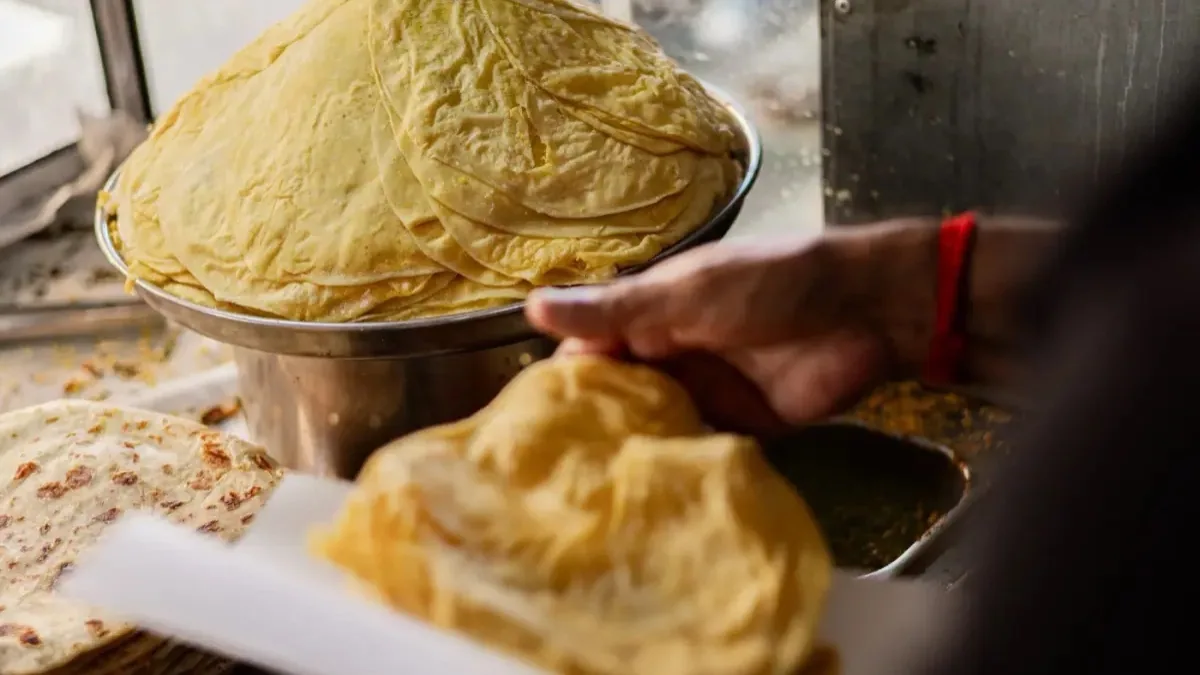
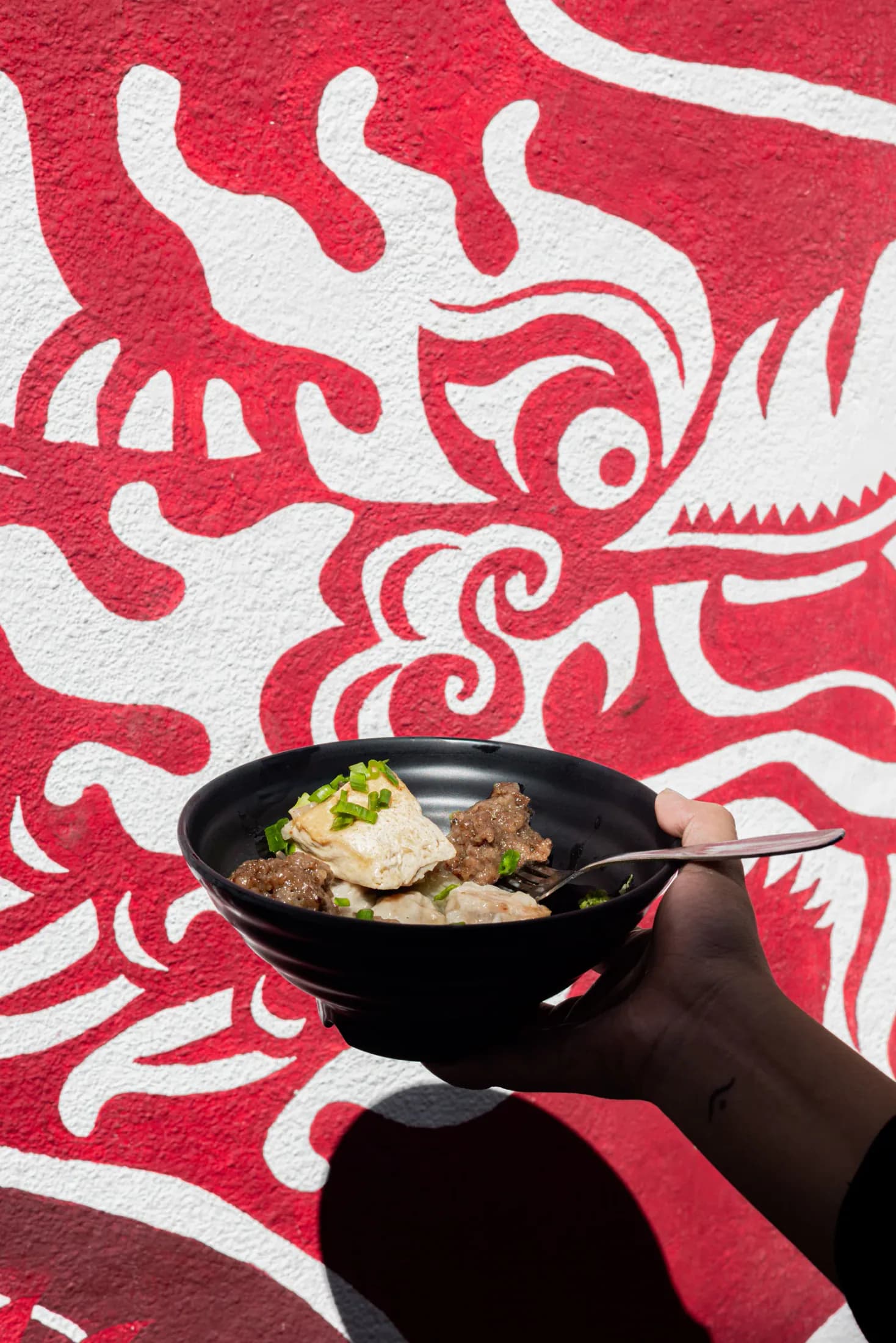
Travellers exploring Port Louis on a guided food and heritage walk
A Port Louis food tour is not simply a moving lunch. At its most useful, it connects everyday flavours with the streets, communities and stories of the capital. A guide can provide context that is easy to miss when you are concentrating on directions, menus and where everyone in your group has wandered off to.
Good to know
FAQ
Which Port Louis food experience is suitable for a first-time visitor?
A guided heritage and street food walk can be a useful introduction because it combines tastings with city context. Before booking, check the current pace, food format, language and group arrangements to make sure they suit you.
What should I bring on a Port Louis food tour?
Wear comfortable walking shoes and bring water plus suitable protection for the day’s sun or rain. Check the live listing for any experience-specific requirements, and avoid carrying more than you want to take through the city.
Can Andeor arrange transport for a Port Louis food walk?
Transport arrangements should not be assumed. Check the live experience page for any stated transfer information. If none is shown, ask about the meeting point and available options before booking, especially if you are staying far from Port Louis.
This guide explains how a heritage and street food walk may work, who it is likely to suit and what to check on the live experience page. Exact tastings, routes, duration, meeting arrangements, accessibility and inclusions can change, so confirm those details before booking rather than treating any general guide as a final itinerary.
Is a Port Louis food tour worth booking?
A guided walk can be worthwhile if you want more than a list of places to eat. The value lies in having someone connect each stop with its surroundings, explain unfamiliar foods and help you move through a busy city without spending the whole visit checking a map.
It may be a particularly good fit for first-time visitors, food-curious couples, families and small groups who enjoy informal cultural experiences. If your priority is choosing every dish yourself or spending a long time at one market or restaurant, an independent visit may give you more freedom.
Why Port Louis is a natural place to explore Mauritian food
Food makes more sense when you see where people buy it, how it fits into daily life and how different neighbourhoods meet. Port Louis offers a city setting where a guide may link food with trade, migration, family traditions and the changing life of the streets.
That wider context is what separates a thoughtful food walk from a quick snack crawl. You are not expected to become an expert by the end. You should, however, leave with a clearer idea of why Mauritian food cannot be reduced to a single dish or influence.
What a heritage and street food walk may include
The Port Louis Heritage and Street Food Walk is the relevant Andeor marketplace option for travellers who want food and city history in one experience. Depending on the current listing, the format may combine guided walking, cultural commentary and food stops.
Do not assume a particular route or tasting menu from the experience name alone. Check which food or drinks are included, whether portions are intended as samples or a fuller meal, how long the walk lasts and whether there are extra purchases to budget for. The live page should be your reference for the current format.
Food stories to listen for along the way
Listen for the connections between ingredients, cooking methods, languages and family habits. A useful guide will do more than name a snack. They may explain when people commonly eat it, how recipes vary and why several communities can have their own relationship with a familiar food.
You can also ask how a dish has changed over time, whether it is usually eaten at home or bought on the street, and what locals look for when choosing a good version. These questions often lead to more memorable answers than asking for a ranking.
How to decide whether this walk fits your group
Start with walking comfort. Ask about the current distance, pace, standing time, rest opportunities and exposure to sun or rain. A short distance can still feel tiring in warm conditions or on a day that already includes plenty of sightseeing.
Families should confirm whether the format and food stops suit the ages, attention spans and eating habits of their children. Travellers with limited mobility should request specific information about surfaces, steps, kerbs, seating and toilet access rather than relying on a general description such as easy.
Group style matters too. A guided walk works well when everyone is comfortable sharing the pace and listening between stops. If one person wants detailed history while another mainly wants a long meal, agreeing on expectations beforehand can save a small diplomatic incident.
Dietary requirements: what to share before booking
Tell the provider about allergies, intolerances, religious requirements, vegetarian or vegan preferences and any foods you cannot eat before the booking is confirmed. Be precise. An allergy is different from a preference, and the provider needs clear information to explain what can or cannot be accommodated.
Do not assume that every stop can offer a substitute or avoid cross-contact. Ask whether suitable alternatives are available, whether any tasting may need to be skipped and whether the experience still offers good value for someone with your requirements.
The best time of day for a Port Louis food walk
There is no single ideal time for every traveller. Start with the departure times currently offered, then consider heat, rain, traffic, your normal mealtimes and how far you need to travel. If tastings are substantial, avoid placing a large meal immediately before or after the walk.
Leave some flexibility around the experience rather than creating a minute-by-minute schedule. City walks can feel much more enjoyable when there is room to pause, ask questions and sit down afterwards.
Getting to Port Louis and planning the rest of the day
Confirm the meeting point before choosing your transport. Check how long the journey is expected to take from your accommodation, where you can be dropped off or park, and how much walking is required before the guided experience even begins. Allow extra time rather than planning to arrive at the exact starting minute.
For a relaxed day, make the food walk your main scheduled activity. Add one flexible city visit before or afterwards, then keep time for a drink, a quiet meal or an unhurried return journey. If you hope to visit a museum, market or heritage site, check its current opening information independently before building it into the day.
Guided food walk or independent visit?
Choose a guided food walk if cultural explanation, easier decision-making and a structured route matter to you. It can also reduce the guesswork around what to try and how each stop connects with the city.
Choose an independent visit if you prefer complete control over pace, spending and food choices. This works better when you are comfortable navigating the city and researching each place yourself. A third option is to take the guided walk first and return independently to the areas or foods that caught your interest.
Questions to check on the live experience page
Before booking, confirm the current duration, start time, meeting point, walking distance, group format and language. Check what is included, whether tastings replace a meal, what happens if conditions affect the walk and whether there is a minimum age or other participation requirement.
You should also confirm dietary arrangements, accessibility details, cancellation terms and any transport information. If an answer is not clearly stated, ask rather than guess. A two-minute question before booking is preferable to discovering at the first stop that your carefully planned lunch was actually six tastings.