Mauritian Cuisine: A Friendly Guide to Its History and Influences
Mauritian cuisine carries the island’s layered history in everyday meals, from Creole cooking and street snacks to Indian, Chinese, African, Malagasy and European influences.

Mauritian cuisine carries the island’s layered history in everyday meals, from Creole cooking and street snacks to Indian, Chinese, African, Malagasy and European influences.
Good to know
A guided market visit, street food walk or gentle cultural experience is usually a good starting point. Look for an outing that explains ingredients, spice levels and local habits in plain language, rather than one that simply gives you many things to taste in a hurry.
Bring comfortable shoes, sun protection, water, a small amount of cash if the provider recommends it, and an open mind. If you have allergies or dietary needs, share them before booking and remind your host at the start of the experience.
Transport depends on the specific experience and provider. Check the live experience details before booking, including meeting point and transfer information. If anything is unclear, ask An Deor before confirming so the day fits your route and group.
Keep reading
Mauritian cuisine is one of the easiest ways to understand Mauritius beyond the postcard view. A simple plate can tell you about movement, memory, family kitchens, trade, settlement, adaptation and everyday island life.
You may find rice, curry, pickles, noodles, bread, chutneys, fresh herbs and chilli all sitting close together in the same food day. That mix is not random. It reflects the many communities that have shaped Mauritius over time, including African, Malagasy, Indian, Chinese, French, broader European and Creole influences.
This guide is not trying to turn lunch into homework. It is simply here to help you eat with a little more context, ask better questions, and feel more at ease when you step away from hotel buffets and beach restaurants.
Mauritian food feels varied because the island itself is layered. Different communities brought ingredients, cooking methods, religious habits, family recipes and ways of eating. Over time, those influences met in homes, markets, street stalls and small restaurants.
The result is not a neat set of separate food boxes. It is more like a shared kitchen where many traditions have learned to live beside each other. You can notice this in the way a meal might combine spice, rice, bread, sauce, pickles and chilli in a way that feels very Mauritian, even when each element has roots elsewhere.
A good way to understand Mauritian food is to stop asking which single culture a dish belongs to, and start noticing how different influences sit together on the same plate.
African and Malagasy influences are part of the deeper cultural base of Mauritius. They are especially important when thinking about Creole food, home-style cooking, rhythm around shared meals and the practical use of local ingredients.
For travellers, this influence may be less obvious than a named street snack or a clearly labelled restaurant dish. It often appears in the feeling of the food: simple, generous, resourceful and connected to family cooking rather than formal dining.
This is one reason it is worth paying attention to small local places, market counters and home-style meals. They can show you parts of Mauritian food culture that do not always appear on polished tourist menus.
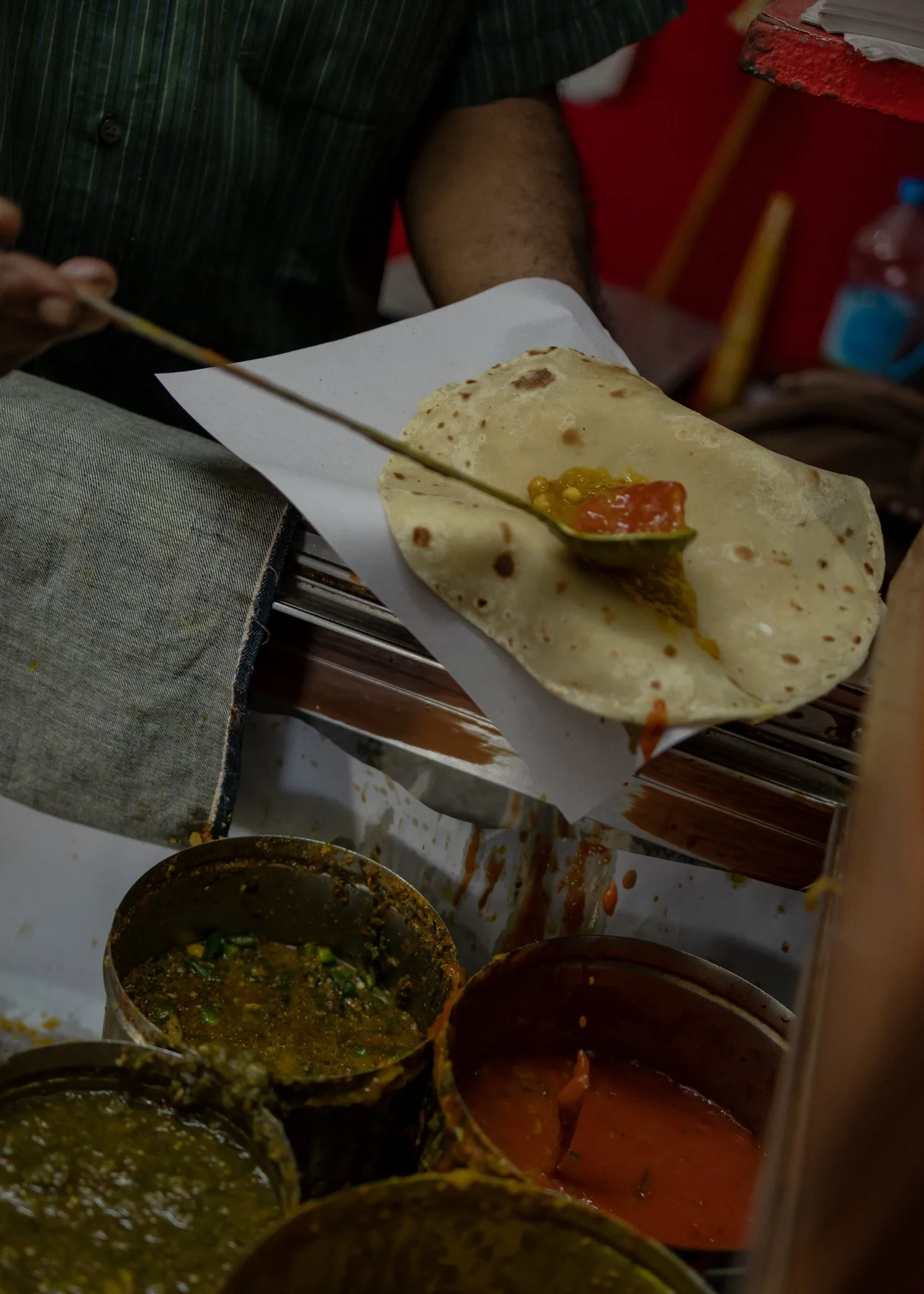
Indian influence is one of the most visible parts of Mauritian cuisine. You can often notice it through spices, flatbreads, pulses, curries, chutneys and street food built for quick, satisfying eating.
This influence is not only about heat. In Mauritius, spice can mean warmth, fragrance, colour and balance. Chilli may be served on the side, so people can decide how brave they feel. Some visitors discover confidence quickly. Others learn that the tiny spoon of chilli paste was not joking.
If you are new to Mauritian food, Indian-influenced snacks and breads are often a friendly starting point. They are easy to share, easy to compare from one place to another, and usually a good way to see how everyday food fits into local routines.
Chinese influence is another important part of Mauritian everyday food. Travellers often notice it through noodle dishes, fried rice, dumpling-style snacks and quick meals served in casual local places.
This side of Mauritian cuisine is practical and comforting. It suits lunch breaks, family meals and easy dinners when nobody wants a long restaurant performance. The food is often generous, direct and built around familiar textures: soft noodles, savoury broth, crisp edges, sauces and condiments.
It is also a good reminder that Mauritian cuisine is not only about one famous dish. Sometimes the best food moment of the day is a simple bowl of noodles in a no-fuss eatery, eaten while the island carries on around you.
French and European influences appear in Mauritian cuisine through bread, pastries, sauces and some dining habits. These influences often sit beside local flavours rather than replacing them.
You might notice this in the way bread fits into daily eating, how sauces are used with meat or seafood, or how sweet treats appear in bakeries and cafés. The interesting part is how these elements become local once they meet Mauritian ingredients and habits.
For travellers, this can be a gentle bridge into the food culture. A bakery stop, a simple lunch plate or a sauce-rich dish can feel familiar at first, then slowly reveal the island’s own style.
Creole cooking is where many of these influences come together in a very Mauritian way. It is not just a list of ingredients. It is a way of cooking shaped by home kitchens, local produce, family preferences and the habit of making food that works for the table in front of you.
A Creole-style meal may bring together rice, sauce, grains or pulses, chutneys, pickles, herbs and chilli. The balance can change from one family, cook or region to another. That variation is part of the charm, and also a good reason not to judge Mauritian food from a single meal.
If you are offered the chance to try home-style Creole food, treat it as more than a meal. Listen to how people describe the dish, who taught them to make it, and when they usually eat it. Those small details are often the most memorable part.
You do not need a formal tasting menu to see the history of Mauritian cuisine. Everyday food is often the best teacher. Look for meals and snacks that bring several influences together: a curry with rice and chutney, noodles with local condiments, bread filled with spiced ingredients, or a market lunch built from whatever is fresh and ready.
Markets can be especially useful because they show ingredients before they become restaurant dishes. You see vegetables, herbs, spices, tropical fruit and the movement of daily food life. Even if you only stop for a snack, you start to understand how people shop, eat and talk around food.
The best food experiences are not only about tasting more. They are about paying attention. Ask what a dish is called, how people usually eat it, and whether it is linked to a family habit, festival, region or community. Most good conversations begin with simple curiosity, not with a camera in someone’s face.
When comparing food or cultural experiences, look for hosts who explain context rather than rushing you from bite to bite. A thoughtful guide can help you understand why a dish matters, how to order politely, what level of spice to expect, and how to move through busy local places without feeling lost.
It also helps to stay flexible. Local food moments do not always run like a hotel schedule. Stalls may be busy, a favourite item may sell out, and the best stop may be the one you did not plan. That is not a failure of the itinerary. Sometimes that is the itinerary doing its job.
Start with your comfort level. If you are new to local food, a gentle market walk or guided tasting can be easier than trying to decode everything alone on your first day. If you already enjoy busy food streets, you may prefer an experience that goes deeper into neighbourhoods, home-style cooking or specific communities.
Think about pace too. Some travellers want a full food-focused outing. Others prefer to add one market stop or local lunch between hiking, coastal time and cultural visits. Neither approach is better. The right choice is the one that fits your group without making the day feel overstuffed.
Before booking, check the practical details: start time, meeting point, walking distance, dietary needs, spice level, group size and whether transport is included or needs to be arranged separately. These small points make a big difference, especially if you are travelling with children, older relatives or anyone who gets grumpy when lunch is late. We all know one.
An Deor’s marketplace can help you compare experiences that connect food, culture, local life and place. The best fit depends on your travel style: a relaxed market moment, a cultural outing with food context, or a broader island day where local snacks and meals support the route.
At the time of this draft, no specific related tour slugs are attached to this guide. Rather than forcing a match, use the marketplace to browse current experiences and choose the one that fits your date, region, group and appetite for discovery.
Andeor Editions
Explore live An Deor marketplace experiences and choose the day that fits your group.
Food fits best into a Mauritius itinerary when you give it space. Avoid treating local meals as quick fuel between more important stops. A market, street snack or simple lunch can become one of the most memorable parts of the day if you are not rushing through it.
If your trip already includes hiking, waterfalls, kayaking or coastal time, place heavier food moments after the most active part of the day, not just before. For family trips, keep snacks and water in mind, and check whether the experience is suitable for your children’s age and patience level.
If you have allergies, dietary restrictions or strong preferences, raise them before booking. Mauritian food can include varied ingredients, sauces, spices and shared preparation spaces, so it is better to ask early and clearly.
Andeor Editions
Browse An Deor experiences and look for food, market or cultural outings that match your pace, region and curiosity.