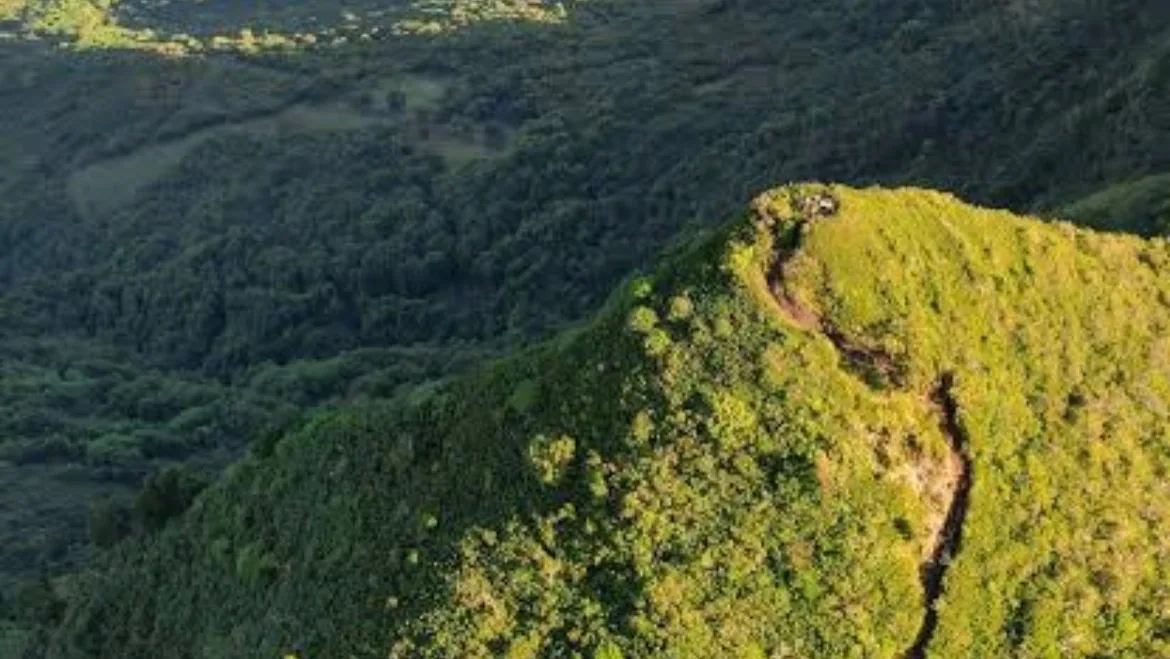
Le Morne Brabant Hike. Difficulty and Five Planning Tips
Prepare for a Le Morne Brabant hike with five tips on heat, weather, fitness, guides and equipment, plus route choice and time for the descent.

A Le Morne Brabant hike asks for preparation before it asks for a summit photo. This mountain on Mauritius’s south-west coast combines lagoon views, exposed natural terrain and cultural significance. These five planning tips help you decide how far to walk, what support you need and whether the day suits everyone in your group.
At the catalogue check on 2 November 2026, no Le Morne hike was available to book on Andeor. This is a destination guide, not confirmation of a departure, guide or access to the upper route. Use the Mauritius hiking guide for context and the current experience search for other activities.
Understand the mountain before choosing your route
The Le Morne Cultural Landscape is UNESCO World Heritage. Its cultural significance matters alongside the coastal scenery.
Le Morne has a dry coastal character, with changing vegetation, rock, dust and uneven ground. Some stretches have little shade. Views can open towards the lagoon, reef and coastline as you gain height. Expect a mountain walk rather than a cool rainforest trail or a flat beach stroll.
Separate the lower stretches from the steeper, rockier ground higher up. Feeling comfortable at the start does not show that the whole route suits you. Agree your intended endpoint and turnaround options before setting off, and check current access and conditions locally. No viewpoint or summit is guaranteed.
Start early and leave room for a steady pace
An early start can help you avoid some of the stronger daytime heat. It still needs to fit access conditions and the actual plan. Starting early does not automatically mean walking before dawn. Confirm the meeting point and starting time for any independently arranged outing, then include the journey from your accommodation.
Leave time for water breaks, a pace that suits the slowest or least confident person, and a careful descent. Duration depends on the route’s endpoint, terrain, weather and group. Do not borrow a fixed time from another itinerary or squeeze the walk between bookings. The return deserves as much attention as the climb.
Check the weather and keep the option to postpone
Look at rain, recent wet conditions, strong wind, low cloud and expected changes during the walk, rather than relying on a sunny forecast symbol. Wet rock affects footing, cloud can hide views and gusts can make open ground uncomfortable. A clear view is never assured.
Postpone or choose a gentler activity if conditions are unsuitable or someone is unwell, injured or very unsure. Insufficient water, unsuitable shoes or too little time are also reasons to change the plan. If you have arranged a guide, discuss route changes and weather decisions before departure and follow the guidance on the day.
Match the difficulty to the whole group
Fitness alone does not settle the decision. Consider uphill endurance, balance on uneven rock, comfort with height, heat tolerance and concentration when tired on the descent. Be honest about whether everyone actually wants to go. Familiarity with walks lasting several hours helps, but does not guarantee comfort on this terrain.
For children and teenagers, assess walking experience, balance, willingness to follow instructions and the day’s conditions, rather than age alone. A route may suit an active older teenager yet be a poor choice for another person of the same age. Younger children, travellers with limited mobility or anyone uneasy on exposed rock may prefer a gentler day.
Choose guide support around your actual needs
A local guide can help with route decisions, pacing, rest points and understanding the mountain’s cultural context. That support can be useful on a first visit or with mixed experience in the group. It does not remove the need for preparation or eliminate the risks of a mountain walk.
For any guided outing you arrange, establish the route, endpoint, expected fitness, group size, guide language, breaks and exposure to heights. Discuss what happens if someone wants to turn back and whether the whole group returns together. Clarify weather or cancellation terms, included equipment and the meeting location before making commitments.
Pack for the terrain and arrive rested
Wear walking or hiking shoes with good grip. Carry enough water for the conditions and your needs, sun protection, a hat, a small snack and any personal medication you normally need. A small daypack keeps your hands free. Follow any additional packing instructions for your chosen route; beach footwear is unsuitable.
Avoid planning the walk after a late night or an exhausting previous day. Allow time to eat and prepare before leaving, especially if you have a long drive. Set a comfortable rhythm and be willing to turn around when energy, confidence or conditions change. Reaching a particular point is not the measure of a good day.
Stay on permitted paths, avoid shortcuts, leave vegetation and rocks in place and take your belongings and litter away. Pause somewhere suitable for photographs without losing attention to the route. Treat Le Morne as a meaningful landscape, not only a backdrop.
Choose the right setting and leave space around the hike
Le Morne offers a coastal mountain setting. Black River Peak has a more inland mountain character, while Tamarind Falls centres on waterfalls and different terrain. These are destination comparisons, not promises of current bookable hikes or easier alternatives. If you want shade, little uphill effort or less demanding ground, assess a suitable nature walk or a different coastal activity on its own requirements.
Keep the rest of the day light, with time to recover. Avoid placing demanding activities immediately before and after the walk. Travelling from a distant part of the island adds to the day, so allow for both journeys. A quieter coast stop, food-focused outing or cultural visit on another day can balance the trip without trying to fit every landscape into one programme.
Andeor Editions
Arrange your journey separately
Andeor can arrange a transfer through Seke. Confirm the route, pickup time and price separately; a transfer does not include a hike, guide or mountain access.
Read the guides for your next planning decision
Use the seasonal guide for weather planning, the packing guide for equipment, the photography guide for taking pictures on the trail and the family guide when deciding with children. Each addresses a different part of the plan.
Andeor Editions
Find an experience that fits your day
Compare the activities currently listed on Andeor by location, pace and participation requirements. Check the actual offer and availability before booking.