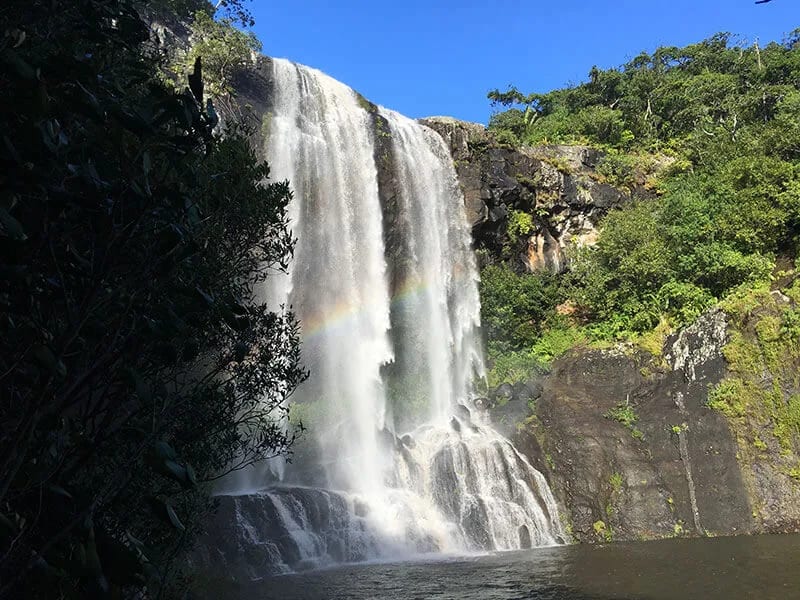
Tamarind Falls Guide: Scenic Visit, Hiking or Canyoning?
Compare a scenic visit, waterfall hike and canyoning at Tamarind Falls by effort, terrain, water confidence, heights, group pace, current conditions and itinerary fit.
Comparison of a scenic visit, waterfall hiking and guided canyoning at Tamarind Falls
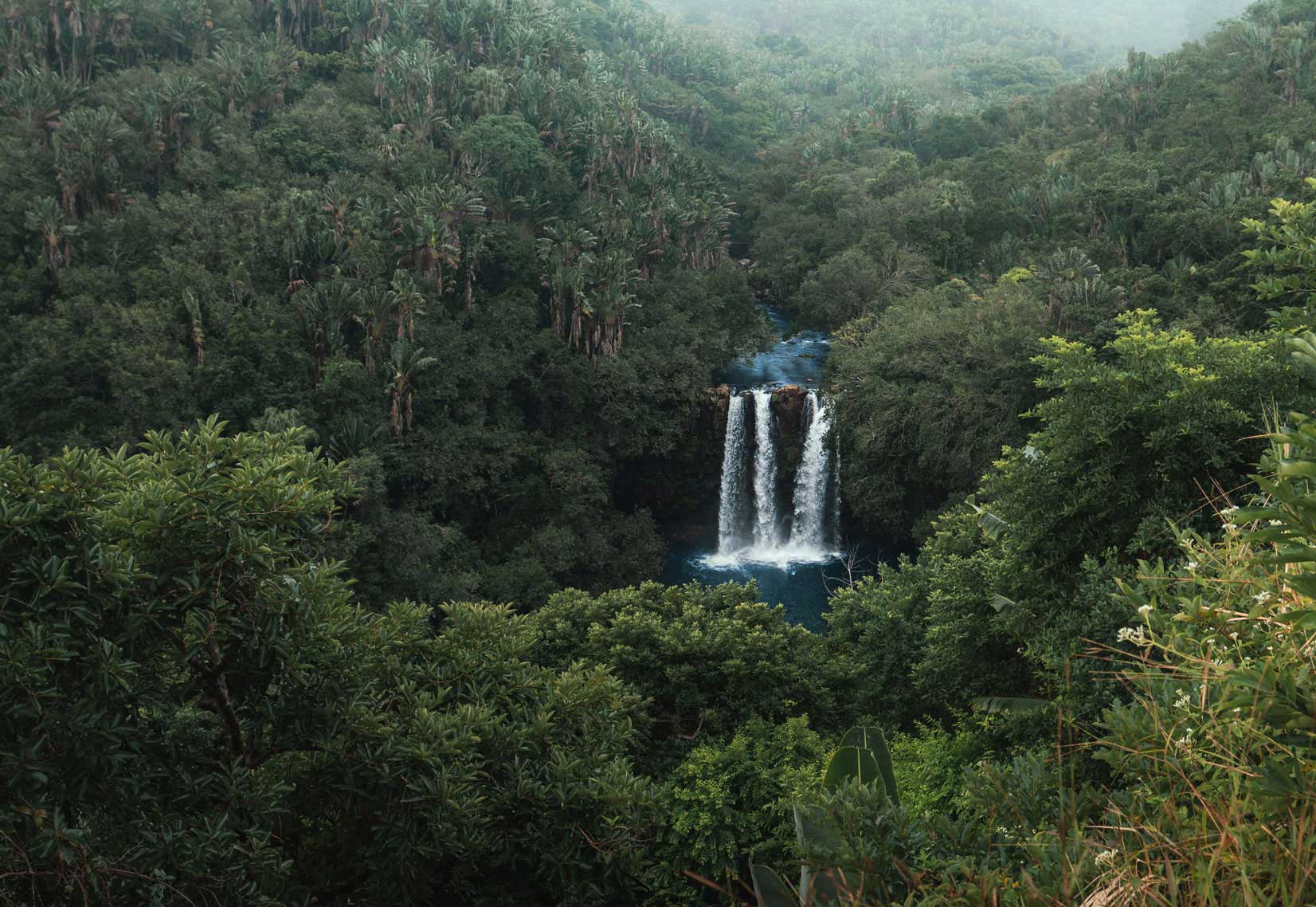
Tamarind Falls is not one neatly packaged outing. Depending on the experience you choose, your day could focus on seeing the landscape, walking over wet and uneven ground, or following a guide through a more technical canyoning-style descent.
This guide gives you a quick way to compare effort, water exposure, heights, group pace, changing conditions and recovery time before exploring the available experiences.
Good to know
FAQ
How much time should I leave for a Tamarind Falls experience?
Use the duration stated by the current provider as your starting point, then allow extra time for transport, meeting instructions, changing and an unhurried return. A hike or canyoning descent is usually easier to plan as the main activity of the day rather than squeezing it between distant stops.
Is a Tamarind Falls hike or canyoning day suitable for a mixed-ability group?
It depends on the least confident participant and the exact experience. Share everyone's fitness, water confidence, comfort with heights and experience on uneven ground with the provider. If one activity does not fit the whole group, a scenic plan or separate activities may be more comfortable.
Should I choose a scenic visit, waterfall hike or canyoning?
Choose a scenic visit if the landscape is your priority and you want to limit physical effort, while still checking the walking and access involved. Consider a waterfall hike if your group is comfortable on wet, uneven ground. Canyoning is the more technical option and calls for confidence around water, heights and following instructions. Confirm the exact format and current conditions with the provider.
Start here: three ways to experience Tamarind Falls
Begin with the kind of day you actually want, not the most dramatic photograph you have seen. A scenic visit may suit travellers who mainly want to appreciate the setting. A waterfall hike is better for people happy to walk on irregular ground at a steady pace. Canyoning is the more technical choice and calls for an honest conversation about water confidence, heights, instructions and physical comfort.
The names used by providers can vary, so read the activity details rather than relying on a label alone. Confirm the route format, expected movement, time in or near water, group pace and any participation requirements directly with the provider.
Quick comparison: scenic visit, hiking or canyoning
Scenic visit
Best considered by travellers who want the landscape to be the main event and prefer to limit physical effort. Do not assume every viewpoint is a simple roadside stop: ask about walking distance, access, steps, slopes and recent ground conditions.
Waterfall hike
A better fit if you enjoy active walking and can manage uneven, potentially wet ground. The practical questions are how long you will be moving, how much ascent and descent is involved, whether hands are needed for balance, and how the guide manages different speeds.
Canyoning-style descent
The most technical of the three choices. Depending on the specific experience, it may involve closer contact with water, exposure to heights, specialist instructions or controlled descent techniques. Check the exact format with the provider; canyoning experiences should not be treated as ordinary waterfall walks.
Choose a scenic visit for a less demanding plan
A scenic option makes sense when your priority is seeing the waterfall landscape without building the day around a long or technical activity. It may also work better when your group has different energy levels or when Tamarind Falls is one stop within a broader day.
Less demanding does not automatically mean easy to access, dry or suitable for everyone. Ask the provider where the viewing point is, how you reach it, whether the approach includes steps or slopes, how much walking is involved and whether recent conditions have changed access.
Choose a waterfall hike for an active day on uneven terrain
Tamarind Falls hiking is the middle ground only in a broad sense. It can suit travellers who enjoy walking and want to spend more time within the waterfall landscape without choosing a canyoning descent. Even so, wet rock, mud, slopes and repeated changes of level can feel very different from a maintained park path.
Think about the least confident person in your group. Can they keep a steady pace on irregular ground? Are they comfortable when footing is damp? Will they feel rushed if others move faster? A group usually has a better day when the choice fits everyone, not just its keenest hiker.
Andeor Editions
Read the detailed hiking guide
Explore the terrain, pace, conditions and questions worth asking before planning a Tamarind Falls waterfall hike.
Choose canyoning if you are comfortable with water, heights and instructions
Canyoning is for travellers who actively want a more technical adventure, rather than people who simply want a closer waterfall view. Water confidence matters, but it is not the only consideration. You should also discuss heights, balance, fitness, following instructions and the pace expected from the group.
Do not use another traveller's experience as proof that a route will feel easy to you. Ask the provider what movements are involved, what equipment is used, what level of support is available and which conditions could lead to a change of plan. If any part of the description makes you hesitate, say so before booking. That is useful information, not a failure of adventurous spirit.
Andeor Editions
Understand canyoning before you choose
See the practical questions to ask about difficulty, water confidence, equipment, conditions and guide support.
First, how active do you want the day to feel? Choose based on your real holiday energy, not your best-ever gym week.
Second, how does everyone handle wet and uneven ground? Walking fitness does not always equal confidence on slippery or irregular terrain.
Third, is everyone genuinely comfortable in and around water? A reluctant yes is worth discussing with the provider.
Fourth, how does the group feel about heights or exposed positions? Ask for a plain description of what participants encounter.
Fifth, can the group maintain the expected pace? Find out whether stops are built in and how mixed abilities are managed.
Sixth, what do you want to do the day before and after? A demanding waterfall day may not pair well with an already crowded run of hikes, transfers and early starts.
Andeor Editions
Compare hiking and canyoning directly
Use the focused comparison guide if your choice has narrowed to a waterfall hike or canyoning.
How weather and water conditions can change the plan
Waterfall and gorge environments are sensitive to current conditions. Recent rain, water levels and the state of the ground may affect access, comfort, route choice or whether an activity proceeds as originally described.
Check with the provider close to the activity date and follow their current instructions. Keep some flexibility in your itinerary rather than treating one exact format as guaranteed. A sensible backup is part of good planning, even if it is not the most exciting line in the holiday spreadsheet.
How Tamarind Falls fits into a Mauritius itinerary
It is usually practical to make a hike or canyoning descent the main experience of the day. Leave room for transport, changing clothes, a meal and an unhurried return. If you want to add something else, keep it easy and nearby rather than creating a race across the island.
A scenic visit may be simpler to combine with another stop, but confirm its actual timing and access first. For active travellers, alternating a waterfall day with coast time or a gentler day can help avoid an overly crowded itinerary.
Andeor Editions
Place canyoning within your wider trip
Explore practical ways to balance a Tamarind Falls canyoning day with transfers, coast time and a less active day afterwards.
Ask what the activity involves from start to finish, including walking, water exposure, heights and technical movement. Confirm the expected fitness level, group pace, participation requirements, meeting logistics and what you need to bring.
Tell the provider honestly about injuries, mobility concerns, limited swimming confidence, fear of heights or younger participants. Also ask how they respond when weather, water or route conditions change. Clear answers are more useful than a generic difficulty label.
Choose the Tamarind Falls day that fits your whole group in current conditions, not the one that merely looks boldest on a screen.
Andeor Editions
Find the right experience
Browse the experiences listed on Andeor and look for an option that fits your group. Before booking, contact the provider for the latest activity format, participation requirements and booking details for your preferred date.